
Release & story order
Assassin's Creed timeline
Assassin's Creed from Altair's 2007 debut through feudal Japan in Shadows—US release dates, historical chronology from ancient Greece to the Victorian era, and why Black Flag precedes AC III in story order. Release covers ship dates: When Ubisoft shipped each mainline chapter. Story follows fiction: When historical simulations happen in fiction—431 BCE through 1868 CE, plus feudal Japan (~1579–1581). Use Start Here and Essentials for a 2026 default path; FAQ covers remasters, spin-offs, and skip costs.
Pick your path:
Where to start
Pick Classic for the 2007–2015 arc, RPG era for Origins through Shadows, or Release order for the full Animus/modern-day frame from AC (2007) to Shadows.
- Modern-day Animus story only makes sense in Release order—historical order is for lore geography
- Black Flag is story-earlier than AC III despite shipping later—see Story tab
- Film & Netflix: Assassin's Creed media
Release order
When Ubisoft shipped each mainline chapter. The annual Ezio trilogy era (2009–2011) gave way to Black Flag, then a break before the RPG soft reboot (Origins → Odyssey → Valhalla), Mirage's return to stealth, and Shadows in 2025. To follow the modern-day Animus meta-story (Desmond, Layla, Animus Hub), release order is the only practical path—historical order is for lore geography, not present-day continuity.
- Full franchise / modern-day continuity → Release order only (AC 2007 through Shadows)—mechanical evolution and Animus frame align
- Historical lore binge → Story order (Odyssey → Origins → Mirage → Valhalla → AC → Ezio trilogy → Shadows → pirate/colonial arc → Unity → Syndicate)
- Pick your era → Greece (Odyssey), Egypt (Origins), Renaissance (AC II), Pirates (Black Flag), or Japan (Shadows)—then branch outward
- Classic only → AC → AC II → Brotherhood → Revelations → Black Flag → Rogue → Unity → Syndicate, then add RPG trilogy if you want
- Assassin's Creed Nexus VR (2023) sits between Mirage and Shadows in release order—optional VR anthology; see the questions below
Story order tips
When historical simulations happen in fiction—431 BCE through 1868 CE, plus feudal Japan (~1579–1581). This is not the same as release order: Black Flag's golden age comes centuries before AC III in history, and Odyssey predates everything.
- Ancient/Medieval block: Odyssey (431 BCE) → Origins (49 BCE) → Mirage (861) → Valhalla (872) → AC (1191) → Ezio trilogy (1476–1512) → Shadows (1579)
- Colonial block: Black Flag (1715) → Rogue (1752) → AC III (1754) → Unity (1789) → Syndicate (1868)
- Black Flag is story-earlier than AC III despite releasing one year after—explained in the questions below
- Extended completionist order (Chronicles + Liberation) is in FAQ—not listed as separate titles on Story order
- On Story order, some entries are hidden to avoid spoilers—click to reveal them, or turn on Show all spoilers
Story order
When historical simulations happen in fiction—431 BCE through 1868 CE, plus feudal Japan (~1579–1581). This is not the same as release order: Black Flag's golden age comes centuries before AC III in history, and Odyssey predates everything.
- Ancient/Medieval block: Odyssey (431 BCE) → Origins (49 BCE) → Mirage (861) → Valhalla (872) → AC (1191) → Ezio trilogy (1476–1512) → Shadows (1579)
- Colonial block: Black Flag (1715) → Rogue (1752) → AC III (1754) → Unity (1789) → Syndicate (1868)
- Black Flag is story-earlier than AC III despite releasing one year after—explained in the questions below
- Extended completionist order (Chronicles + Liberation) is in FAQ—not listed as separate titles on Story order
- On Story order, some entries are hidden to avoid spoilers—click to reveal them, or turn on Show all spoilers
Timeline
When each game was released. Click a game for platforms, dates, and where it fits in your playthrough.
Release order
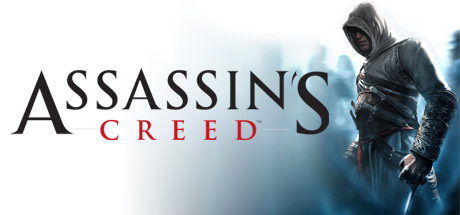
Assassin's Creed
PCPlayStation 3Xbox 360ActionMainlineAssassin's Creed (2007) introduces Altaïr in the Third Crusade—parkour stealth against Templars with a modern-day Desmond frame.
- Overview
- Crowds, free-running cities, and social stealth launched Ubisoft’s historical action template. Later entries still answer the stealth-parkour template this chapter set.
- In-game setting
- 1191 Masyaf/Acre/Jerusalem. Leads into Ezio’s trilogy next on Release. Assassin's Creed (2007) introduces Altaïr in the Third Crusade—parkour stealth against Templars with a modern-day Desmond frame.
- Should you play it?
- Series start—dated systems, but lore foundations matter. Media: *Assassin's Creed media*. Current storefront editions and remasters are the practical buy.
- Release date
- US November 13, 2007 on PS3/Xbox 360; PC April 2008. Platforms: PC, PlayStation 3, Xbox 360.
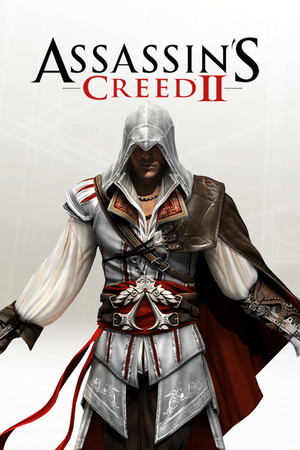
Assassin's Creed II
PCPlayStation 3Xbox 360ActionMainlineAssassin's Creed II follows Ezio Auditore across Renaissance Italy—vendettas, Leonardo gadgets, and denser cities.
- Overview
- Broader RPG-lite progression, notoriety, and a warmer protagonist reset the franchise’s popularity. Later entries still answer the stealth-parkour template this chapter set.
- In-game setting
- 1476–1499 Italy. Continue immediately into Brotherhood. Neighboring story-order titles cover chronology if you skip optional branches.
- Should you play it?
- Essential Ezio start. Prefer remaster collections when available. Current storefront editions and remasters are the practical buy.
- Release date
- US November 17, 2009 on PS3/Xbox 360; PC 2010. Platforms: PC, PlayStation 3, Xbox 360.
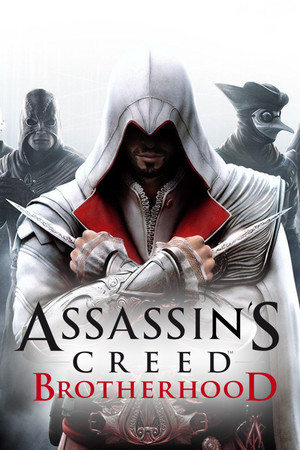
Assassin's Creed Brotherhood
PCPlayStation 3Xbox 360ActionMainlineAssassin's Creed Brotherhood keeps Ezio in Rome—recruit assassins, siege the Borgia, and expand multiplayer roots.
- Overview
- Brotherhood recruitment and denser Rome map refine Ezio’s peak years. Later entries still answer the stealth-parkour template this chapter set.
- In-game setting
- 1499–1507 Rome. Then Revelations for Ezio’s close. Neighboring story-order titles cover chronology if you skip optional branches.
- Should you play it?
- Direct sequel—do not skip after AC II. Current storefront editions and remasters are the practical buy. Follow Start Here if you want the shortest 2026 checklist that still includes this chapter.
- Release date
- US November 16, 2010 on PS3/Xbox 360; PC 2011. Prefer modern digital editions when last-gen discs are awkward to run.
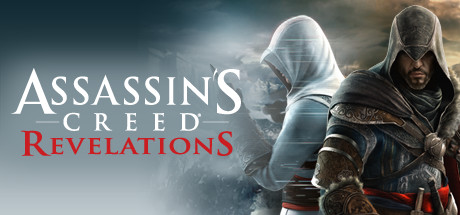
Assassin's Creed Revelations
PCPlayStation 3Xbox 360ActionMainlineAssassin's Creed Revelations sends Ezio to Constantinople—hookblades, bombs, and Altaïr memories intertwine.
- Overview
- Hookblade traversal and memory-within-memory structure close the Ezio/Altaïr duology threads. Later entries still answer the stealth-parkour template this chapter set.
- In-game setting
- 1511–1512 Constantinople. Next numbered leap is AC III. Neighboring story-order titles cover chronology if you skip optional branches.
- Should you play it?
- Ezio trilogy finale. Play after Brotherhood. Current storefront editions and remasters are the practical buy.
- Release date
- US November 15, 2011 on PS3/Xbox 360; PC later. Platforms: PC, PlayStation 3, Xbox 360.
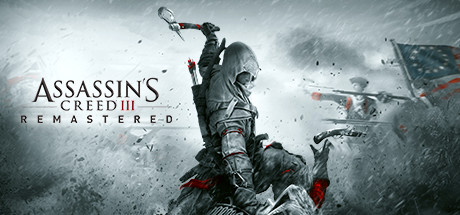
Assassin's Creed III
PCPlayStation 3Xbox 360Wii UActionMainlineAssassin's Creed III follows Ratonhnhaké:ton through the American Revolution—frontier hunting and naval seeds.
- Overview
- Tree running, homestead crafting, and large-scale historical battles expand the sandbox. Later entries still answer the stealth-parkour template this chapter set.
- In-game setting
- 1754–1783 colonies. Connor’s arc pairs with Rogue chronologically nearby. Neighboring story-order titles cover chronology if you skip optional branches.
- Should you play it?
- Post-Ezio mainline. Remaster exists; naval fans often continue to Black Flag. Current storefront editions and remasters are the practical buy.
- Release date
- US October 30, 2012 on PS3/360/PC; Wii U later. Platforms: PC, PlayStation 3, Xbox 360, Wii U.
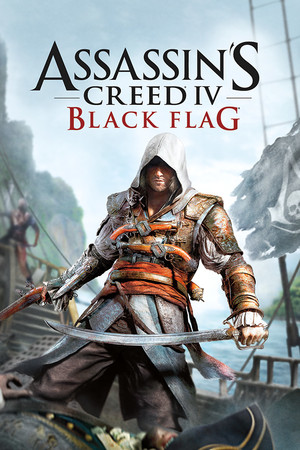
Assassin's Creed IV: Black Flag
PCPlayStation 3Xbox 360PlayStation 4Xbox OneActionMainlineAssassin's Creed IV: Black Flag is Edward Kenway’s pirate sandbox—boarding, diving, and shanties across the Caribbean.
- Overview
- Full naval open world with ship customization overshadowing on-foot stealth for many players. Later entries still answer the stealth-parkour template this chapter set.
- In-game setting
- 1715–1722 Caribbean. Soft link: *Assassin's Creed media*. Assassin's Creed IV: Black Flag is Edward Kenway’s pirate sandbox—boarding, diving, and shanties across the Caribbean.
- Should you play it?
- Often recommended entry. Story sits before/around AC III chronologically. Current storefront editions and remasters are the practical buy.
- Release date
- US October 29, 2013 on last-gen and PS4/Xbox One launch window platforms.
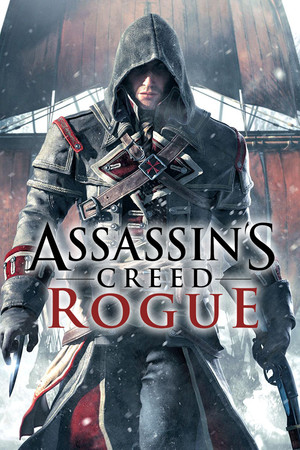
Assassin's Creed Rogue
PCPlayStation 3Xbox 360ActionMainlineAssassin's Creed Rogue flips to Templar Shay Cormac—North Atlantic hunting of Assassin cells between Black Flag and AC III.
- Overview
- Assassin hunter fantasy with naval tools and a perspective twist on Brotherhood ethics. Later entries still answer the stealth-parkour template this chapter set.
- In-game setting
- 1752–1760 Atlantic. Explains several AC III world states. Neighboring story-order titles cover chronology if you skip optional branches.
- Should you play it?
- Optional but enriching bridge. Best after Black Flag / near AC III. Current storefront editions and remasters are the practical buy.
- Release date
- US November 11, 2014 on PS3/360/PC; later remasters on current platforms.
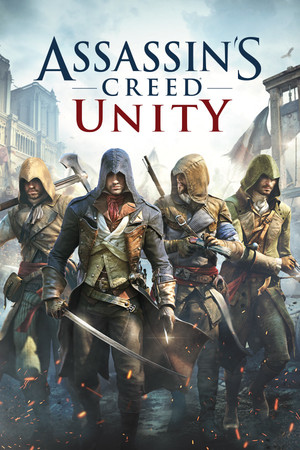
Assassin's Creed Unity
PCPlayStation 4Xbox OneActionMainlineAssassin's Creed Unity drops Arno into revolutionary Paris—co-op heists and dense crowd tech on new-gen hardware.
- Overview
- Parkour rewrite and four-player co-op missions; launch bugs famously needed patches. Later entries still answer the stealth-parkour template this chapter set.
- In-game setting
- 1789–1794 Paris. Soft chronological neighbor to Syndicate. Neighboring story-order titles cover chronology if you skip optional branches.
- Should you play it?
- Standalone-ish Paris tale. Still worth it patched; Dead Kings DLC optional. Current storefront editions and remasters are the practical buy.
- Release date
- US November 11, 2014 on PS4/Xbox One/PC. Platforms: PC, PlayStation 4, Xbox One.
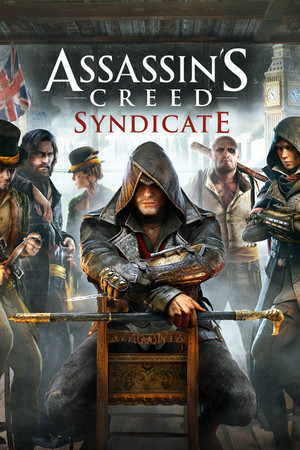
Assassin's Creed Syndicate
PCPlayStation 4Xbox OneActionMainlineAssassin's Creed Syndicate follows the Frye twins in Victorian London—carriages, gangs, and industrial rooftops.
- Overview
- Dual protagonists, rope launcher traversal, and gang territory meta on the Unity-era engine. Later entries still answer the stealth-parkour template this chapter set.
- In-game setting
- 1868 London. Fine after Unity; not required before Origins. Neighboring story-order titles cover chronology if you skip optional branches.
- Should you play it?
- Last pre-Origins “historical tourist” mainline before the RPG reboot. Current storefront editions and remasters are the practical buy.
- Release date
- US October 23, 2015 on PS4/Xbox One/PC. Platforms: PC, PlayStation 4, Xbox One.
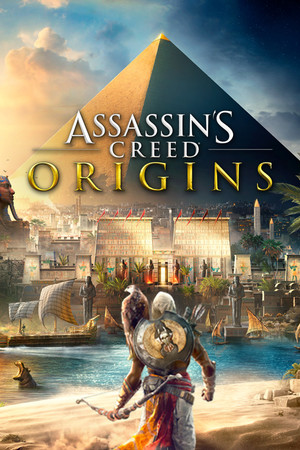
Assassin's Creed Origins
PCPlayStation 4Xbox OneRPGMainlineAssassin's Creed Origins rebuilds the series as an RPG—Bayek in Ptolemaic Egypt founding Creed myths.
- Overview
- Levels, shields, and large desert/sea exploration redefine the combat loop for a new era. Later entries still answer the stealth-parkour template this chapter set.
- In-game setting
- 49 BCE Egypt. Discovery Tour mode is optional education content. Neighboring story-order titles cover chronology if you skip optional branches.
- Should you play it?
- RPG-era start. Natural before Odyssey / Valhalla. Media: *Assassin's Creed media*. Current storefront editions and remasters are the practical buy.
- Release date
- US October 27, 2017 on PS4/Xbox One/PC. Platforms: PC, PlayStation 4, Xbox One.
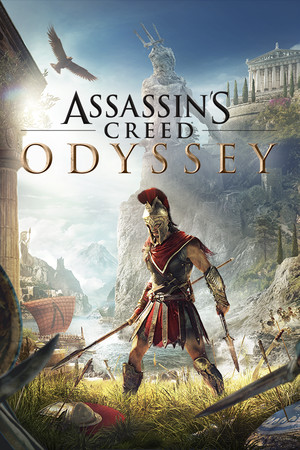
Assassin's Creed Odyssey
PCPlayStation 4Xbox OneRPGMainlineAssassin's Creed Odyssey is the Peloponnesian War epic—Kassandra or Alexios across a huge Greek sandbox.
- Overview
- Dialogue RPG choices, naval Mercenary tiers, and the largest map of the RPG trio. Later entries still answer the stealth-parkour template this chapter set.
- In-game setting
- 431 BCE Greece. Playable without Origins; lore purists still peek at Bayek first. Neighboring story-order titles cover chronology if you skip optional branches.
- Should you play it?
- Standalone-friendly RPG entry. Earliest Story date on this page (431 BCE). Current storefront editions and remasters are the practical buy.
- Release date
- US October 5, 2018 on PS4/Xbox One/PC. Platforms: PC, PlayStation 4, Xbox One.
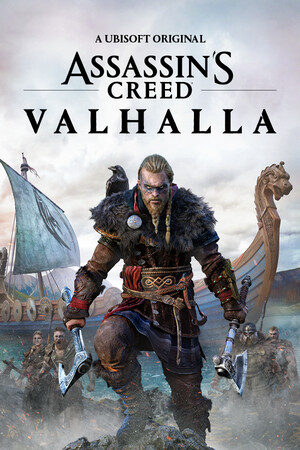
Assassin's Creed Valhalla
PCPlayStation 4PlayStation 5Xbox OneXbox Series X/SRPGMainlineAssassin's Creed Valhalla follows Eivor’s Viking settlement in England—raids, England arc, and Isu deep lore.
- Overview
- Settlement building, raid gameplay, and years of expansions culminating in late Isu payoffs. Later entries still answer the stealth-parkour template this chapter set.
- In-game setting
- 872–878 England (plus expansions). Bridges toward Mirage chronologically nearby. Assassin's Creed Valhalla follows Eivor’s Viking settlement in England—raids, England arc, and Isu deep lore.
- Should you play it?
- Longest RPG-era campaign. Complete Edition / season content recommended if buying late. Current storefront editions and remasters are the practical buy.
- Release date
- US November 10, 2020 on PS4/PS5/Xbox One/Series/PC. Platforms: PC, PlayStation 4, PlayStation 5, Xbox One, Xbox Series X/S.
Assassin's Creed Mirage
PCPlayStationXboxStealthMainlineAssassin's Creed Mirage recenters stealth—Basim in 9th-century Baghdad with a tighter parkour fantasy.
- Overview
- Deliberate return to social stealth and compact city fantasy after RPG bloat complaints. Later entries still answer the stealth-parkour template this chapter set.
- In-game setting
- 861 Baghdad. Chronology sits near Valhalla’s era on the Story tab. Neighboring story-order titles cover chronology if you skip optional branches.
- Should you play it?
- Shorter mainline. Best after Valhalla for Basim context, playable cold with mild spoilers. Current storefront editions and remasters are the practical buy.
- Release date
- US October 5, 2023 on PC/PlayStation/Xbox families. Platforms: PC, PlayStation, Xbox.
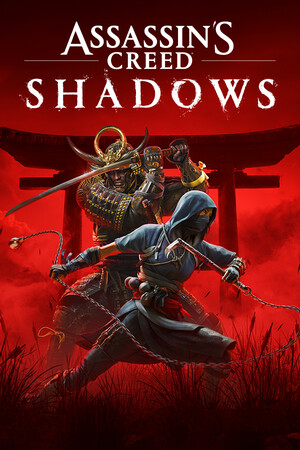
Assassin's Creed Shadows
PCPlayStation 5Xbox Series X/SRPGMainlineAssassin's Creed Shadows splits Naoe and Yasuke across Sengoku Japan—seasons, castles, and dual fantasy stealth/combat.
- Overview
- Dual protagonists with distinct traversal/combat kits and dynamic seasonal world states. Later entries still answer the stealth-parkour template this chapter set.
- In-game setting
- 1579–1581 Japan. Media extras: *Assassin's Creed media*. Neighboring story-order titles cover chronology if you skip optional branches.
- Should you play it?
- Current mainline destination as of 2026. RPG systems continue from the Origins era. Current storefront editions and remasters are the practical buy.
- Release date
- US 2025 on PS5, Xbox Series X|S, and PC. Platforms: PC, PlayStation 5, Xbox Series X/S.
FAQ
Release vs historical order, modern-day Animus frame, Mirage and Valhalla placement, extended lore order, and what to skip.
Optional & spin-offs
Remasters & RPG era
More timelines
Other release-order and story-order guides on this site.
- Game series
Far Cry
Far Cry release and story order (2004–2021)—numbered games, Primal, Blood Dragon, New…
- Media
Assassin's Creed Media
Assassin's Creed film watch order (2016)—Michael Fassbender's Aguilar film, Netflix…
- Game series
Red Dead
Red Dead release and story order (2004–2018)—Revolver, Redemption, Undead Nightmare,…
- Game series
The Elder Scrolls
Elder Scrolls release and Tamriel story order (1994–2019), DLC placement, and classic…
- Game series
Watch Dogs
Watch Dogs release and story order (2014–2021)—Chicago, San Francisco, London, Legion…
- Game series
Rainbow Six
Rainbow Six games in order—Vegas, Vegas 2, and Siege—with US release dates, soft story…
- Game series
Ghost Recon
Ghost Recon games in order—GRAW duo, Future Soldier, Wildlands, and Breakpoint—with US…
- Game series
Ace Combat
Ace Combat release order and Strangereal story chronology—Air Combat through Ace…