
Release & story order
Need for Speed games in order
This Need for Speed games in order page curates the Western milestones players still ask about in 2026—not every EA numbered dump. Release lists US ship dates from Underground (2003) through Unbound (2022), including both Most Wanted games so you never confuse 2005 with Criterion’s 2012 reboot. Story treats eras as soft lanes: Underground→UG2→MW05→Carbon vibes, a separate Criterion Hot Pursuit/MW12 lane, then mostly standalone modern street titles ending at Unbound. Use Essentials for Heat→Unbound, the Underground era, or Criterion-only. Shift, The Run, and deep catalog fillers stay FAQ-only. Racing neighbors: Gran Turismo and open-world vibes on GTA.
Pick your path:
Where to start
Pick Modern start for Heat into Unbound, Underground era for the mid-2000s street streak through Carbon, or Criterion lane for Hot Pursuit (2010) and Most Wanted (2012). Essentials hides the long catalog so you only check off the path you chose.
- Newcomers who want current NFS feel → modern-start (Heat → Unbound)
- Tuning/customs nostalgia → underground-era first, then sample Heat
- Cop vs racer arcade → Criterion lane only; MW 2005 is a different game
Release order
When each curated Need for Speed milestone shipped in the US—Underground (November 17, 2003) through Unbound (December 2, 2022)—including Most Wanted (2005) and Criterion’s Most Wanted (2012) as separate rows. This page deliberately skips thin catalog fillers; Shift, The Run, and early 90s/PS2 deep cuts stay FAQ-only so the list stays decision-ready.
- Modern 2026 start → Heat, then Unbound; add Payback only if you want the heist loop
- Classic street nostalgia → Underground → Underground 2 → Most Wanted 2005 → Carbon
- Criterion arcade lane → Hot Pursuit 2010 → Most Wanted 2012 (ignore the 2005 name collision)
- Skip thin fillers → older racers, Shift sims, and The Run stay optional FAQ territory
Story order tips
Most NFS campaigns are standalone street or cop eras. Soft vibe chain: Underground → Underground 2 → Most Wanted (2005) → Carbon. Criterion’s Hot Pursuit (2010) and Most Wanted (2012) are a separate polished-arcade lane—not sequels to Rockport. Later Ghost titles (Rivals through Unbound) reset casts and cities freely; play them for tone, not one continuous hero arc.
- Underground soft chain → UG → UG2 → MW05 → Carbon for one 2000s street binge
- Criterion lane stays separate—do not treat MW12 as a Rockport sequel
- Rivals through Unbound are era resets; order them by taste after the classics
- On Story order, later entries may be hidden—reveal when ready or use Show all spoilers
Story order
Most NFS campaigns are standalone street or cop eras. Soft vibe chain: Underground → Underground 2 → Most Wanted (2005) → Carbon. Criterion’s Hot Pursuit (2010) and Most Wanted (2012) are a separate polished-arcade lane—not sequels to Rockport. Later Ghost titles (Rivals through Unbound) reset casts and cities freely; play them for tone, not one continuous hero arc.
- Underground soft chain → UG → UG2 → MW05 → Carbon for one 2000s street binge
- Criterion lane stays separate—do not treat MW12 as a Rockport sequel
- Rivals through Unbound are era resets; order them by taste after the classics
- On Story order, later entries may be hidden—reveal when ready or use Show all spoilers
Timeline
When each game was released. Click a game for platforms, dates, and where it fits in your playthrough.
Release order
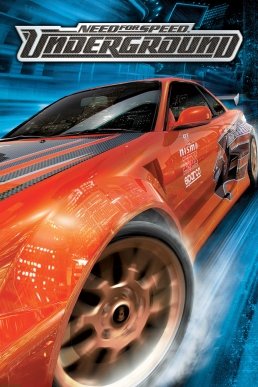
Need for Speed: Underground
PCPS2XboxGameCubeRacingMainlineNeed for Speed: Underground (November 17, 2003, US) pivots the series into nocturnal street racing, vinyls, and tuner culture—the soft start of the Underground-era vibe chain players still chase in 2026.
- Overview
- Replaced exotic supercar tourism with compact tuners, style points, and a career of underground races. Set the mid-2000s NFS identity that Underground 2 and Most Wanted (2005) extend.
- In-game setting
- Opens the soft Underground-era lane. Next vibe step is Underground 2—same street energy, bigger customization sandbox—before Rockport’s Most Wanted (2005).
- Should you play it?
- Essential if you want the tuner origin story. Skip only for a modern Heat/Unbound path—you lose the Underground soft chain context, not required lore for 2010s titles.
- Release date
- US multiplat November 17, 2003 (PC, PS2, Xbox, GameCube). Modern play often means emulation, older hardware, or EA’s classic digital listings where still offered.
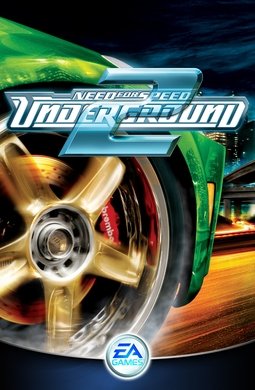
Need for Speed: Underground 2
PCPS2XboxGameCubePSPRacingMainlineNeed for Speed: Underground 2 (November 15, 2004, US) expands the tuner career into an open city with deeper visual customization—peak Underground-era sandbox before Most Wanted (2005) shifts toward cops and blacklist races.
- Overview
- Free-roam city plus extreme body kits and vinyl depth made customization the fantasy. Still the soft middle chapter between Underground and Rockport’s Most Wanted.
- In-game setting
- Continues Underground street vibes without a rigid numbered plot. Story-tab next soft step is Most Wanted (2005); Criterion’s 2012 game is unrelated.
- Should you play it?
- Play after Underground for the era binge. Optional if you only want Most Wanted (2005) police chases—you miss the fullest tuner sandbox of the decade.
- Release date
- US November 15, 2004 on major sixth-gen platforms and PC; PSP followed. Availability today is classic digital/physical depending on region.
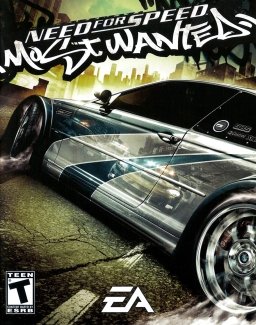
Need for Speed: Most Wanted (2005)
PCPS2XboxXbox 360GameCubePSPRacingMainlineNeed for Speed: Most Wanted (November 15, 2005, US)—Blacklist pursuit in Rockport, not Criterion’s 2012 reboot. This is the MW most players mean when they say “the classic Most Wanted,” and it soft-continues Underground-era street energy into cop heat.
- Overview
- Blacklist ladder plus memorable police chases defined mid-2000s arcade pursuit. Distinct IP name collision with Most Wanted (2012)—same series brand, different studio fantasy.
- In-game setting
- Soft Underground-era peak after UG/UG2; Carbon follows as the next vibe sequel. Do not sequence Criterion’s 2012 Most Wanted as a Rockport Part 2.
- Should you play it?
- Must-play classic for the era path. Required before Carbon if you want that soft chain; skip only on a pure Criterion or modern Heat/Unbound plan.
- Release date
- US November 15, 2005 across sixth-gen platforms, early Xbox 360, and PC. Still widely cited; check EA storefronts and classic disc copies for playable builds.
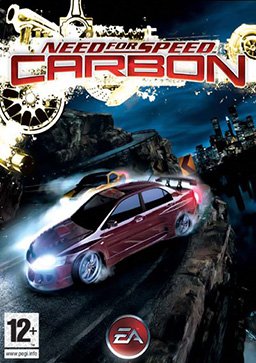
Need for Speed: Carbon
PCPS2PS3XboxXbox 360GameCubeWiiRacingMainlineNeed for Speed: Carbon (October 31, 2006, US) closes the Underground-era soft chain with canyon races, crews, and territory wars after Rockport—treat it as the vibe sequel to Most Wanted (2005), not to Criterion’s later reboot.
- Overview
- Crew roles and canyon duels pushed the Blacklist fantasy into turf control. Marks the end of the mid-2000s EA Black Box street streak on this curated list.
- In-game setting
- Story soft-end of Underground→MW05→Carbon. Next Release milestones jump to Criterion’s Hot Pursuit (2010)—a separate lane, not Carbon Chapter 2.
- Should you play it?
- Play after Most Wanted (2005) to finish the soft era. Skip if you only want Criterion arcade or modern Ghost Games titles—you lose crew/canyon closure, not Unbound prerequisites.
- Release date
- US October 31, 2006 on multiplat including early PS3/Xbox 360. Classic digital availability varies; physical discs remain common.
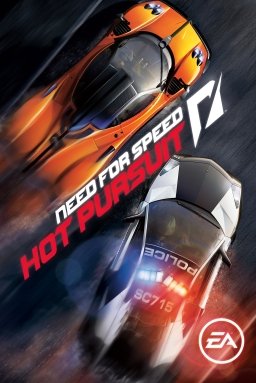
Need for Speed: Hot Pursuit (2010)
PCPS3Xbox 360WiiRacingMainlineCriterionNeed for Speed: Hot Pursuit (November 16, 2010, US) is Criterion’s sleek cop-vs-racer reboot of the Hot Pursuit idea—Autolog social racing, supercars, and Seacrest County—not a sequel to Underground or Rockport.
- Overview
- Criterion’s production sheen and Autolog competition revived NFS as a polished arcade pursuit game. Opens the Criterion lane that continues into Most Wanted (2012).
- In-game setting
- Separate Criterion lane start. Story-tab next is Criterion Most Wanted (2012)—same studio language, still not Rockport continuity.
- Should you play it?
- Best Criterion on-ramp. Play before MW 2012 for lane order; skip Underground-era first if you only want this arcade fantasy. Remaster preferred in 2026 when listed.
- Release date
- US November 16, 2010 on PS3, Xbox 360, PC, and Wii. Hot Pursuit Remastered (2020) is the practical modern buy when available on current platforms.
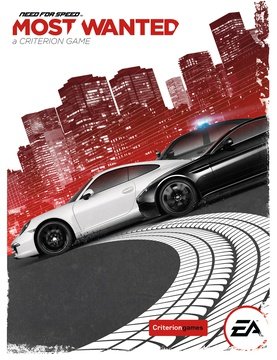
Need for Speed: Most Wanted (2012)
PCPS3PS VitaXbox 360Wii URacingMainlineCriterionNeed for Speed: Most Wanted (October 30, 2012, US) is Criterion’s open-world Most Wanted reboot—cloud saves, Most Wanted lists, and Fairhaven—not a sequel to the 2005 Blacklist game despite sharing the title.
- Overview
- Open-world Most Wanted list fantasy with Criterion handling and online-era features. Name reuse causes the series’ biggest “which MW?” confusion—always check the year.
- In-game setting
- Criterion lane closer after Hot Pursuit (2010). Does not continue Rockport, Razor, or Carbon crews; treat as its own Most Wanted myth.
- Should you play it?
- Play after Hot Pursuit (2010) for Criterion flow. Skip if you only want 2005 nostalgia or modern Heat/Unbound—different fantasy entirely.
- Release date
- US October 30, 2012 on major seventh-gen platforms, Vita, and later Wii U. Still distinct storefront listings from the 2005 game—buy by year.
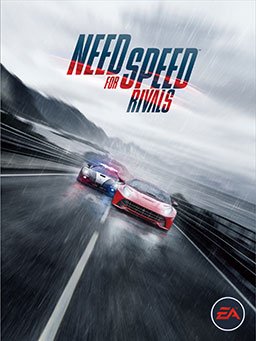
Need for Speed: Rivals
PCPS3PS4Xbox 360Xbox OneRacingMainlineNeed for Speed: Rivals (November 19, 2013, US) splits careers between racers and cops in an always-online Redview County sandbox—Ghost Games’ bridge between Criterion polish and later story-driven street titles.
- Overview
- Dual racer/cop progression in a shared open world with AllDrive multiplayer pressure. Standalone era reset after Criterion—new map, new fantasy, no required prior cast.
- In-game setting
- Modern standalone after Criterion lane. Next curated milestones are Need for Speed (2015) and the later Heat/Unbound street focus—not a numbered Rivals trilogy.
- Should you play it?
- Optional bridge title. Play if you like Hot Pursuit-style roles with open-world stakes; skip toward Heat if you want a cleaner 2026 street start.
- Release date
- US November 19, 2013 on last-gen and then-new PS4/Xbox One plus PC. Always-online design affects how well it ages—check servers and patches before buying.
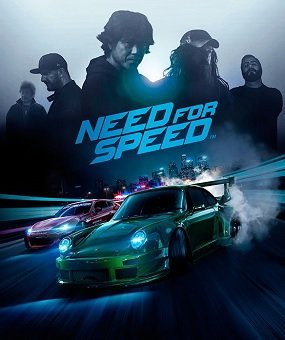
Need for Speed (2015)
PCPS4Xbox OneRacingMainlineNeed for Speed (November 3, 2015, US)—often called NFS 2015—returns to cinematic street crews, spoiler culture, and Ventura Bay nights. Standalone modern reboot energy before Payback’s heist structure.
- Overview
- Five playstyle pillars and heavy cinematic presentation tried to revive Underground-era swagger for eighth-gen consoles. Tone matter more than plot continuity with Criterion or Rockport.
- In-game setting
- Standalone modern street era. Story-tab placement after Rivals is release history, not a cast sequel; Payback follows as another Ghost reset.
- Should you play it?
- Optional nostalgia bridge. Skip freely for Heat→Unbound if you want the best-received recent street pair; play it when you want 2015’s crew-film vibe specifically.
- Release date
- US November 3, 2015 on PS4, Xbox One, and PC. Prefer updated digital builds; original launch patches matter for stability.
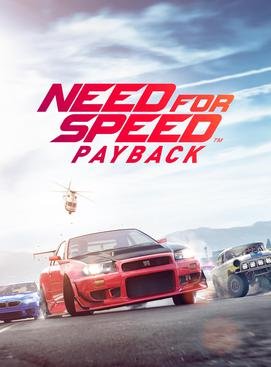
Need for Speed Payback
PCPS4Xbox OneRacingMainlineNeed for Speed Payback (November 10, 2017, US) leans into Fortune Valley heists, card-loot car progression, and a revenge crew story—another standalone modern chapter before Heat refines the night-to-day loop.
- Overview
- Mission-driven heist structure and speed-card car upgrades split fans—distinct fantasy from freeform Underground tuning. Still a self-contained city/cast reset.
- In-game setting
- Standalone between NFS 2015 and Heat. No required prior story; Heat is the stronger modern default for many 2026 players.
- Should you play it?
- Optional if loot-shooter car progression appeals. Skip toward Heat without losing Unbound prerequisites—Payback is taste, not homework.
- Release date
- US November 10, 2017 on PS4, Xbox One, and PC. Digital editions remain the practical path on current storefronts.
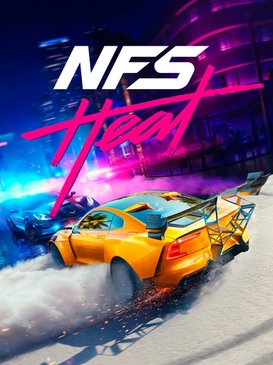
Need for Speed Heat
PCPS4Xbox OneRacingMainlineNeed for Speed Heat (November 8, 2019, US) is the safest modern on-ramp—Palm City day races for money, night heat for reputation, and a street career that still feels current heading into Unbound.
- Overview
- Day/night risk loop and confident handling made Heat the late Ghost-era favorite. Standalone city; no Criterion or Rockport plot debt.
- In-game setting
- Modern Story/Release endpoint pair starts here before Unbound. Soft vibe successor energy to older street titles without shared cast continuity.
- Should you play it?
- Default 2026 start on Essentials’ modern path. Play before Unbound; skip older catalog unless you want Underground or Criterion nostalgia first.
- Release date
- US November 8, 2019 on PS4, Xbox One, and PC; later generation upgrades/back-compat vary by platform. Widely available digitally in 2026.
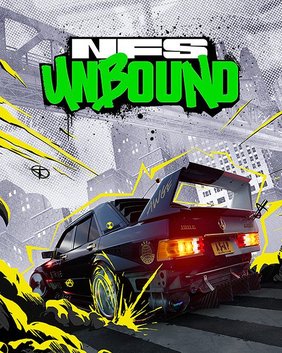
Need for Speed Unbound
PCPS5Xbox Series X/SRacingMainlineNeed for Speed Unbound (December 2, 2022, US) is the current mainline endpoint—Lakeshore art-driven style, weekly multiplayer seasons, and a single-player street campaign that follows Heat as the modern duo most newcomers finish.
- Overview
- Cel-shaded burst effects and a dual single-player/Volume multiplayer structure mark Criterion’s return handling a street NFS. Latest curated Release endpoint as of this 2026 update.
- In-game setting
- Modern endpoint after Heat. Story treats it as a fresh Lakeshore era—not a numbered sequel to Palm City characters.
- Should you play it?
- Play after Heat for the modern essentials path. Fine as a soft jump-on if you accept missing Heat’s day/night tutorial fantasy; older MW titles remain optional nostalgia.
- Release date
- US December 2, 2022 on PS5, Xbox Series X/S, and PC. Prefer current patches; Volume seasons continue post-launch live content.
FAQ
Where to start in 2026, Most Wanted 2005 vs 2012, what to skip, remasters, and optional Shift / The Run.
Release order
Tuner nostalgia: Underground → Underground 2 → Most Wanted (2005) → Carbon.
Arcade cops: Criterion Hot Pursuit (2010) → Most Wanted (2012). Racing neighbors: Gran Turismo.
Keep if nostalgia: Underground era or Criterion lane. Shift / The Run stay optional—see the FAQ below. This page never lists every EA release on purpose.
Eras & lanes
2012 is Criterion’s Fairhaven open-world reboot—same series name, new systems and map. They do not form one continuous Most Wanted story. Buy and play by year.
No. Criterion’s Hot Pursuit (2010) and Most Wanted (2012) are a separate polished-arcade lane. Enjoy them back-to-back for studio feel; do not expect Rockport characters, crews from Carbon, or Underground plot threads.
Remasters & platforms
Optional & related
More timelines
Other release-order and story-order guides on this site.
- Game series
Gran Turismo
Gran Turismo games in US release order (1998–2022)—GT1 through GT7 plus Sport, PSP…
- Game series
Grand Theft Auto
GTA release and story order (1997–2026)—2D, 3D, and HD universe chronology, IV…
- Game series
Cyberpunk
Cyberpunk release and story order (2020–2026)—Cyberpunk 2077, Phantom Liberty,…
- Game series
Batman: Arkham
Batman Arkham release and story order (2009–2024)—Rocksteady saga, Origins prequel,…
- Game series
Far Cry
Far Cry release and story order (2004–2021)—numbered games, Primal, Blood Dragon, New…
- Game series
Forza
Forza games in order—Motorsport sim lane vs Horizon open-world arcade, curated…