
Release & story order
Paper Mario timeline
Paper Mario from the 2001 N64 original through The Origami King (2020)—US release dates, classic partner-based RPG continuity vs the Sticker Star reboot branch, and FAQ for Super Paper Mario, TTYD Switch remake, and Mario & Luigi crossovers.
Pick your path:
Release order
When Intelligent Systems shipped each chapter—Paper Mario (2001), The Thousand-Year Door (2004), Super Paper Mario (2007), then the Sticker Star reboot trio (2012–2020). Mario & Luigi crossovers and Paper Jam are optional.
- Classic saga → Story tab: Paper Mario → TTYD → Super Paper Mario
- Release order → includes Sticker Star reboot trio after SPM
- Newcomers → TTYD Switch remake or Origami King—FAQ trade-offs
- Mario & Luigi series—separate franchise—FAQ
Story order tips
Classic RPG saga: Paper Mario → The Thousand-Year Door → Super Paper Mario. Release order includes Sticker Star, Color Splash, and The Origami King as a separate reboot branch—Story order excludes them.
- Core canon: Paper Mario → TTYD → Super Paper Mario
- Sticker Star branch ignores partners—separate on Story order
- TTYD is direct sequel tone to Paper Mario—play both first
- On Story order, Super Paper Mario may be hidden—reveal when ready
Story order
Classic RPG saga: Paper Mario → The Thousand-Year Door → Super Paper Mario. Release order includes Sticker Star, Color Splash, and The Origami King as a separate reboot branch—Story order excludes them.
- Core canon: Paper Mario → TTYD → Super Paper Mario
- Sticker Star branch ignores partners—separate on Story order
- TTYD is direct sequel tone to Paper Mario—play both first
- On Story order, Super Paper Mario may be hidden—reveal when ready
Timeline
When each game was released. Click a game for platforms, dates, and where it fits in your playthrough.
Release order
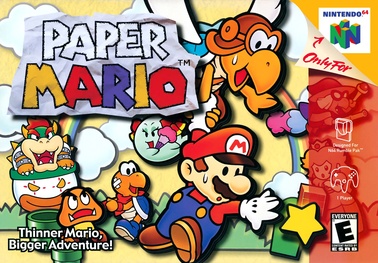
Paper Mario
N64RPGMainlinePaper Mario (N64) folds RPG partners into a papercraft Mushroom Kingdom—Chapter structure with Bowser kidnapping Peach. Release tab year here is 2001.
- Overview
- Action-command battles and stickerbook charm that launched Intelligent Systems' Paper line. Sequel debates still measure new games against what Paper Mario established.
- In-game setting
- Paper Mario (N64) folds RPG partners into a papercraft Mushroom Kingdom—Chapter structure with Bowser kidnapping Peach. Series start. Story continues into TTYD then Super Paper Mario.
- Should you play it?
- Classic opener. Related RPGs: Mario & Luigi; platform cousins: Mario. Follow Start Here if you want the shortest 2026 checklist that still includes this chapter.
- Release date
- US February 5, 2001 (N64). Platforms called out for this beat: N64.
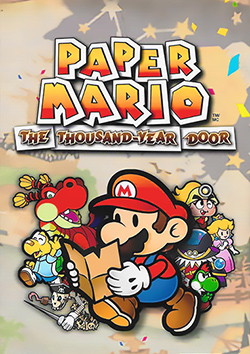
Paper Mario: The Thousand-Year Door
GCRPGMainlinePaper Mario: The Thousand-Year Door is the GameCube peak—Rogueport chapters, audience battles, and beloved partners. Release tab year here is 2004.
- Overview
- Stage-battle crowd mechanics and denser writing many fans call the series best. Sequel debates still measure new games against what Paper Mario: The Thousand-Year Door established.
- In-game setting
- Paper Mario: The Thousand-Year Door is the GameCube peak—Rogueport chapters, audience battles, and beloved partners. Story after N64 Paper Mario. Switch remake (2024) is the modern way—FAQ if listed elsewhere.
- Should you play it?
- Priority play on any Paper path. Follow Start Here if you want the shortest 2026 checklist that still includes this chapter.
- Release date
- US October 11, 2004 (GameCube). Platforms called out for this beat: GC.
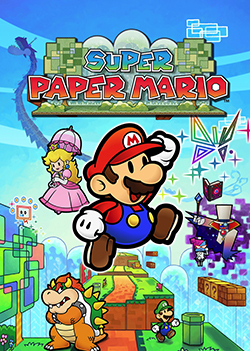
Super Paper Mario
WiiPlatformer-RPGMainlineSuper Paper Mario flips between 2D/3D on Wii—quirky multiverse chapters with Count Bleck. Release tab year here is 2007.
- Overview
- Dimension flip platform-RPG hybrid; tonal shift from pure turn-based Paper. Sequel debates still measure new games against what Super Paper Mario established.
- In-game setting
- Story after TTYD on this page's RPG-focused track. Continuity with Super Paper Mario is easiest if you play neighboring required titles first.
- Should you play it?
- Keep for story continuity; later sticker/color games diverge mechanically. Follow Start Here if you want the shortest 2026 checklist that still includes this chapter.
- Release date
- US April 9, 2007 (Wii). Platforms called out for this beat: Wii.
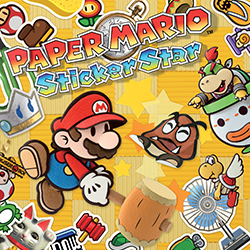
Paper Mario: Sticker Star
3DSRPGRebootPaper Mario: Sticker Star rebuilds battles around sticker inventory on 3DS—divisive puzzle-combat redesign. Release tab year here is 2012.
- Overview
- Thing stickers and world objects as battle tools; lighter RPG stats. Sequel debates still measure new games against what Paper Mario: Sticker Star established.
- In-game setting
- Paper Mario: Sticker Star rebuilds battles around sticker inventory on 3DS—divisive puzzle-combat redesign. Release milestone; not on this page's slim Story track (stops at Super).
- Should you play it?
- Optional for lore; play if you want post-Super Paper history. Follow Start Here if you want the shortest 2026 checklist that still includes this chapter.
- Release date
- US November 11, 2012 (3DS). Platforms called out for this beat: 3DS.
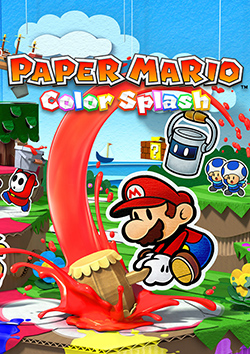
Paper Mario: Color Splash
Wii URPGRebootPaper Mario: Color Splash paints Wii U levels with paint hammers and card battles—another systems experiment. Release tab year here is 2016.
- Overview
- Paint restoration traversal plus card-based strikes. Sequel debates still measure new games against what Paper Mario: Color Splash established.
- In-game setting
- Release-only on this timeline's Story cut. Continuity with Paper Mario: Color Splash is easiest if you play neighboring required titles first.
- Should you play it?
- Completionist entry between Sticker Star and Origami King. Follow Start Here if you want the shortest 2026 checklist that still includes this chapter.
- Release date
- US October 7, 2016 (Wii U). Platforms called out for this beat: Wii U.
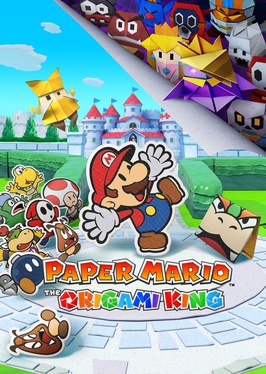
Paper Mario: The Origami King
SwitchRPGRebootPaper Mario: The Origami King folds Switch open-world ring battles against an origami King Olly threat. Release tab year here is 2020.
- Overview
- Circular positioning combat and large overworld set pieces. Sequel debates still measure new games against what Paper Mario: The Origami King established.
- In-game setting
- Paper Mario: The Origami King folds Switch open-world ring battles against an origami King Olly threat. Latest Release mainline as of 2026; outside slim Story trio on this page.
- Should you play it?
- Modern Paper entry; Story tab still emphasizes classic N64→TTYD→Super path. Follow Start Here if you want the shortest 2026 checklist that still includes this chapter.
- Release date
- US July 17, 2020 (Switch). Platforms called out for this beat: Switch.
FAQ
Release vs story order, classic vs Sticker Star reboot, TTYD remake, and spin-offs.
Release order
Release order follows US launch dates and includes Sticker Star, Color Splash, and The Origami King (2012–2020 reboot branch) after Super Paper Mario. Story order is the classic partner RPG saga: Paper Mario → The Thousand-Year Door → Super Paper Mario—excluding the Sticker Star trio.
Classic path: Paper Mario (NSO N64) → The Thousand-Year Door (Switch remake) → Super Paper Mario (Wii/NSO). Modern path: Origami King or TTYD remake alone—valid entry points. Reboot branch: Sticker Star → Color Splash → Origami King—optional side arc—FAQ.
Story & canon
Sticker Star (2012) shifted to sticker/card combat without classic partners—fans treat it as a soft reboot. Color Splash and The Origami King continue that design branch. They appear on Release order with a Reboot tag but not on Story order with TTYD.
Super Paper Mario is on both Release and Story order as the third classic chapter—after TTYD, before the Sticker Star reboot. It mixes platforming with an RPG plot (Count Bleck, the Void). Play it last on Story order before optional reboot games.
Remasters & ports
Paper Mario: The Thousand-Year Door (2024, Switch) remasters the 2004 GameCube game—same story, not a separate must-play title on this timeline. Buy the remake instead of GC hardware for TTYD in 2026.
Optional & related
More timelines
Other release-order and story-order guides on this site.
- Game series
Super Mario
Super Mario platformer release order (1985–2023)—2D classics, 3D adventures, New Super…
- Game series
Mario & Luigi
Mario & Luigi RPGs in US release and story order (2003–2024)—Superstar Saga through…
- Game series
Mario Kart
Mario Kart games in US release order (1992–2020)—SNES through Switch, Mario Kart 8…
- Game series
Luigi's Mansion
Luigi's Mansion release and story order (2001–2019)—GameCube through Switch,…
- Consoles
Nintendo consoles
All Nintendo consoles in US release order (1985–2025)—NES through Switch 2, Game Boy,…
- Game series
The Legend of Zelda
Zelda release and story order (1987–2024), official timeline branches after Ocarina,…
- Game series
Animal Crossing
Animal Crossing games in order (2002–2020)—GameCube through New Horizons, remakes,…