
Release & story order
Splinter Cell timeline
Ubisoft's Tom Clancy's Splinter Cell from the 2002 stealth debut through Blacklist (2013)—US release dates, Sam Fisher's in-universe chronology, and why Double Agent Version 2 (Xbox 360 / PC) is the canonical bridge to Conviction.
Pick your path:
Release order
When Ubisoft shipped each mainline Splinter Cell chapter in the US—Splinter Cell (2002) through Blacklist (2013). Essentials (2006 PSP) is a portable side story.
- Newcomers → Story tab order (or Release if you already own the games)
- Double Agent → Xbox 360 or PC Version 2 only for canon
- Skip PS2/GameCube Double Agent—it forks the plot
- Classic Trilogy HD (2011) is optional remaster bundle—FAQ
Story order tips
Sam Fisher's canonical play order matches Story tab: original trilogy → Essentials flashbacks → Double Agent V2 → Conviction → Blacklist. PS2/GameCube Double Agent tells a different story.
- 2004 → Splinter Cell → Pandora Tomorrow → Chaos Theory
- 2007 → Essentials flashback missions between CT and Double Agent
- 2008 → Double Agent V2 → 2011 Conviction → 2013 Blacklist
- On Story order, later entries may be hidden—reveal when ready
Story order
Sam Fisher's canonical play order matches Story tab: original trilogy → Essentials flashbacks → Double Agent V2 → Conviction → Blacklist. PS2/GameCube Double Agent tells a different story.
- 2004 → Splinter Cell → Pandora Tomorrow → Chaos Theory
- 2007 → Essentials flashback missions between CT and Double Agent
- 2008 → Double Agent V2 → 2011 Conviction → 2013 Blacklist
- On Story order, later entries may be hidden—reveal when ready
Timeline
When each game was released. Click a game for platforms, dates, and where it fits in your playthrough.
Release order
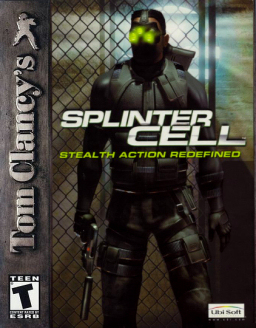
Tom Clancy's Splinter Cell
XboxPCPS2GameCubeStealthMainlineTom Clancy's Splinter Cell (2002) launches Sam Fisher and Third Echelon—light-meter stealth, trifocal goggles, and the Georgian Information Crisis that fans still cite when comparing modern stealth series.
- Overview
- Three-light shadow meter, sticky shockers, and ring-pull interrogations defined Ubisoft's answer to Metal Gear on Xbox. Missions like the CIA HQ and Kalinatek set the tone: methodical, punishing detection, Tom Clancy political framing.
- In-game setting
- In-universe 2004: Fisher's first Third Echelon deployment. Required before Pandora Tomorrow; co-op modes are optional for solo canon.
- Should you play it?
- Series start for story order. In 2026, buy via backward-compatible Xbox, PC stores (Steam/ Ubisoft Connect), or the PS3 Classic Trilogy HD bundle for the first three games—verify PC keys before purchase.
- Release date
- US November 17, 2002 on Xbox; ports to PC, PS2, GameCube, and Mac followed into 2003. Original Xbox version is the reference for controls.
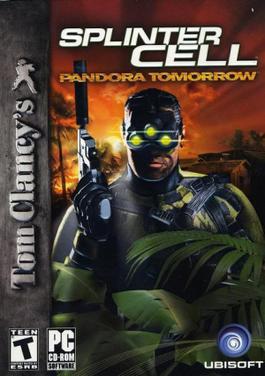
Splinter Cell: Pandora Tomorrow
XboxPCPS2GameCubeStealthMainlinePandora Tomorrow (2004) continues Fisher's hunt for the ND133 smallpox strain—Jerusalem embassy stealth remains the series' most-discussed mission among speedrun and ghost communities.
- Overview
- Debut of asymmetric spies vs mercs multiplayer alongside a campaign that jumps from Indonesia to Jerusalem to New York. Improved light models and more outdoor daylight stealth than the first game.
- In-game setting
- In-universe 2006: direct sequel to the Georgian crisis. Play before Chaos Theory—Lambert partnership deepens.
- Should you play it?
- Required for continuous story order. Solo players can ignore multiplayer entirely—no missing plot. Often bundled with SC1 and SC3 in HD compilations.
- Release date
- US March 23, 2004 on Xbox; PC and PS2 ports same year. PC version supports higher resolutions with community patches.
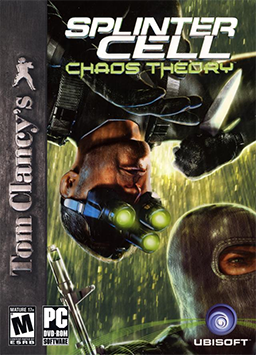
Splinter Cell: Chaos Theory
XboxPCPS2GameCubeStealthMainlineChaos Theory (2005) is the fan-favorite classic—knife play, co-op that respects solo canon, blackout missions, and Fisher/Lambert banter at peak writing before the undercover arc.
- Overview
- Sound propagation meters, optional knife lethality, and co-op missions that are side stories—not required but showcase level design. Boss-like set pieces (e.g., bathhouse) still anchor stealth guide playlists.
- In-game setting
- In-universe 2007: East Asian blackout crisis. Last pure stealth-trilogy tone—Double Agent shifts trust mechanics and brighter lighting.
- Should you play it?
- Essential before Double Agent V2. If you only play one classic Splinter Cell, many veterans pick this. Works on backward-compatible Xbox 360/One/Series and PC.
- Release date
- US March 29, 2005 on Xbox, PC, PS2, GameCube. Xbox/PC versions preferred for controls and visuals.
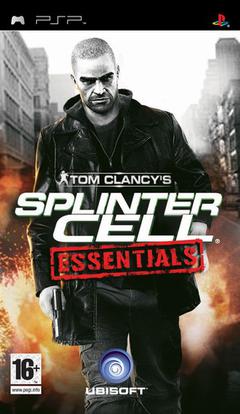 Optional
Splinter Cell: Essentials
PSPStealthOptionalSplinter Cell: Essentials (2006 PSP) collects Fisher's recruitment flashbacks and early Third Echelon missions—portable bridge between Chaos Theory and Double Agent.
- Overview
- Mission-based flashback structure on PSP hardware—simplified gadgets but still light-meter stealth. Fills character gaps the mainline skips.
- In-game setting
- Story slot between CT (2007) and Double Agent (2008). Tag Optional skip—hide optional filter removes this row.
- Should you play it?
- Optional—FAQ summarizes if you lack PSP hardware or patience for dated portable controls. Story completionists only; core plot flows CT → Double Agent V2 without it.
- Release date
- US March 14, 2006 on PSP only. No modern digital re-release on current stores as of 2026—physical UMD or emulation.
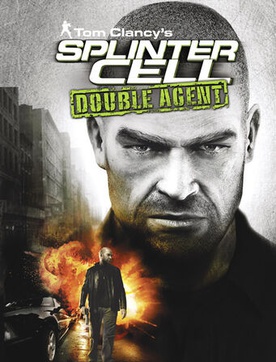
Splinter Cell: Double Agent (Version 2)
Xbox 360PCStealthMainlineDouble Agent Version 2 (Xbox 360 / PC) is the only canonical undercover JBA storyline—trust meter, branching missions, and an ending that Conviction assumes you experienced.
- Overview
- Undercover trust system lets Fisher play both JBA terrorist cell and Third Echelon handler—branching objectives with different intel rewards. Version 2 adds levels and story beats missing from PS2/GameCube Version 1.
- In-game setting
- In-universe 2008: Sarah Fisher plot threads intensify. Required before Conviction—emotional setup for Third Echelon collapse.
- Should you play it?
- Never substitute Version 1 (PS2/GC/OG Xbox)—plot forks break Conviction. Buy 360/PC keys or backward-compatible digital; verify SKU before checkout. Mandatory for story order.
- Release date
- US October 24, 2006 on Xbox 360 and PC. Version 1 shipped same date on PS2/GC—different product on box art fine print.
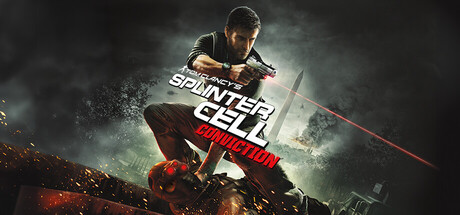
Splinter Cell: Conviction
Xbox 360PCActionMainlineConviction (2010) pivots Sam Fisher into mark-and-execute action—on the run after Double Agent, uncovering Sarah Fisher truths and abandoning pure ghost stealth for Jason Bourne pacing.
- Overview
- Cover-to-cover movement, execution chains, and monochrome flashback levels replace trifocal slow stealth. Co-op Deniable Ops is side content—not main story required.
- In-game setting
- In-universe 2011: Fisher as fugitive. Tone bridge to Blacklist's return of gadgets—some stealth tools come back there.
- Should you play it?
- Requires Double Agent V2 for emotional continuity—otherwise major twists feel unearned. Fans of classic stealth should expect a genre shift, not a direct Chaos Theory sequel.
- Release date
- US April 27, 2010 on Xbox 360 and PC. Backward compatible on Xbox One/Series; Ubisoft Connect on PC.
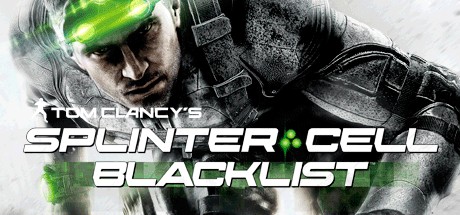
Splinter Cell: Blacklist
Xbox 360PS3Wii UPCStealthMainlineBlacklist (2013) revives gadgets, ghost/ panther/ assault scoring, and Fourth Echelon—Homeland-scale terrorist engineers plot and the last mainline chapter until the announced remake ships.
- Overview
- Kestrel co-op, spider-bots, and optional perfectionist ghost rules merge Conviction production values with Chaos Theory stealth fantasy. Mission hub structure with airfield base between ops.
- In-game setting
- In-universe 2013: Fourth Echelon vs Engineers. Finale row—remake of SC1 is separate prequel media, not a sequel replacement.
- Should you play it?
- Series capstone for Fisher's saga on this timeline. Buy on PC/last-gen stores while keys remain; no native PS5/XSX remaster yet. Play after Conviction for story closure.
- Release date
- US August 20, 2013 on Xbox 360, PS3, Wii U, and PC. Wii U version is the rarest SKU.
FAQ
Story vs release order, Double Agent versions, Essentials placement, remakes, and Netflix.
Release order
Release order follows US launch dates (2002–2013). Story order follows Sam Fisher's in-universe timeline (2004–2013)—the order most guides recommend so Conviction's emotional beats land correctly.
Use Story tab: Splinter Cell → Pandora Tomorrow → Chaos Theory → (optional Essentials) → Double Agent V2 → Conviction → Blacklist. Release order works if you already own the games, but never play PS2/GameCube Double Agent if you plan to continue to Conviction.
Story & canon
Version 2 on Xbox 360 and PC leads directly into Conviction. Version 1 on PS2, GameCube, and original Xbox tells a different story with incompatible plot beats. For one continuous saga, V2 is mandatory.
Essentials (2006 PSP) sits between Chaos Theory and Double Agent as flashbacks to Fisher's early career. Optional—skip if you do not have PSP access; core plot still flows CT → Double Agent V2.
Editions & remakes
Optional & media
More timelines
Other release-order and story-order guides on this site.
- Game series
Metal Gear Solid
Metal Gear Solid release and story order (1987–2025), Big Boss and Solid Snake…
- Game series
Hitman
Hitman World of Assassination release and story order—Hitman (2016), Hitman 2 (2018),…
- Game series
Dishonored
Dishonored release and story order—Dishonored (2012), Knife of Dunwall & Brigmore DLC,…
- Game series
FromSoftware
FromSoftware Soulsborne and action RPG release order (2009–2025)—Demon's Souls through…
- Game series
Watch Dogs
Watch Dogs release and story order (2014–2021)—Chicago, San Francisco, London, Legion…
- Game series
Rainbow Six
Rainbow Six games in order—Vegas, Vegas 2, and Siege—with US release dates, soft story…
- Game series
Ghost Recon
Ghost Recon games in order—GRAW duo, Future Soldier, Wildlands, and Breakpoint—with US…