
In-universe history
Westeros history timeline
A Targaryen-era Westeros timeline in BC/AC order—Long Night, Aegon’s Conquest, the Dance of the Dragons, Dunk & Egg, the Mad King, Robert’s Rebellion, and the main Game of Thrones saga—plus which eras House of the Dragon, A Knight of the Seven Kingdoms, or Game of Thrones show on screen. For season premiere watch order, see the Game of Thrones timeline.
Release order
Chronological milestones from the Dawn Age through the Game of Thrones finale. Westerosi tradition spans about 12,000 years (First Men landing) to ~305 AC—not every century gets an entry here. Deep BC dates are approximate; maesters in-world doubt oral history.
- New to the world → First Men → Long Night → Valyria → Conquest → 101 AC Council → Dance → Robert's Rebellion → main saga
- HotD / Dance fans → 101 AC Great Council → 120 AC Red Spring → 129–131 AC Dance of the Dragons
- Targaryen rise & fall → 1 AC Conquest → Dance → Mad King → Robert's Rebellion
- Post-Conquest fans → 4–13 AC First Dornish War → 28 AC / 37 AC → 157–161 AC Daeron → 187 AC union
- Watching HBO only → jump to entries tagged Shown on HBO
- Season premiere dates → Game of Thrones timeline
- Dates with ~ are traditional estimates—especially before the Andals brought writing
Westeros timeline
-
Dawn Age (Before Men)
Westeros Books & historyBefore First Men or calendars, Westeros belongs to the children of the forest, giants, and nameless old gods under living weirwoods. This mythic Dawn Age is the backdrop for greenseer visions—not a year you can pin on a Citadel chronicle.
- What happened
- Weirwood groves, greenseers, and the old gods define magic before human kingdoms. No Andal septs or Valyrian steel yet—only oral legend about a green world. Later ages treat this as the deep past Bran and Old Nan reach through dreams and tales.
- Dating note
- No firm BC year—this entry marks the pre-human mythic layer before First Men landing. Maesters doubt all Dawn Age dating; treat it as tradition, not archaeology.
- Standout games
- Book anchors: The World of Ice & Fire Dawn Age chapters. No licensed game covers this era as a campaign setting; it exists as lore for later HBO and novel callbacks.
- TV coverage
- Not dramatized as its own HBO series. Flavor appears in Bran’s visions and Old Nan’s oldest stories on Game of Thrones—background texture, not a season.
-
Arrival of the First Men
Westeros Books & historyMentioned on HBOBronze-armed First Men cross the Arm of Dorne from Essos and clash with the children of the forest—the traditional start of human history in Westeros. Maesters often count roughly twelve thousand years from this landing to the present age.
- What happened
- First Men cultures seed the North, the Iron Islands, and later First Men bloodlines still named in GoT. Runes and oral memory precede Andal writing; the Pact and Age of Heroes grow from this invasion’s long aftermath.
- Dating note
- Traditional date ~12,000 BC (Before Conquest). Citadel archmaesters treat deep BC numbers as approximate oral tradition copied millennia later.
- Standout games
- World-book milestone, not a novel plot. Fan timelines sometimes inflate exact years—this page keeps the ~12,000 BC tradition with a tilde, matching maester skepticism.
- TV coverage
- Cited as ancestry on Game of Thrones and House of the Dragon; never filmed as a full invasion season. Pair with the Game of Thrones watch page for aired eras only.
-
Pact of the Isle of Faces
Westeros Books & historyOn the Isle of Faces, First Men and children of the forest end their wars: men keep open lands, children the deep woods and weirwoods. The Pact closes the Dawn Age and opens the Age of Heroes—Brandon the Builder and peers belong to centuries after.
- What happened
- Peace after generations of conflict; green men and sacred islands enter northern memory. Legendary founders (Stark builders, Lann the Clever, Durrandon storm kings) are traditionally placed in the long peace that follows.
- Dating note
- Traditional ~10,000 BC—about two millennia after First Men landing in many accounts, and centuries before the Long Night. Exact spacing varies by source.
- Standout games
- See The World of Ice & Fire on the Pact and green men. No HBO season; treat as bridge lore between First Men war and Age of Heroes legends.
- TV coverage
- Book and world-book lore; HBO mentions ancient pacts and weirwoods without staging the Isle summit. Useful context before Long Night entries on this history page.
-
The Long Night
Age of Heroes Mentioned on HBOBooks & historyA generation-long winter brings the Others (White Walkers) south from the far north; the Battle for the Dawn and Wall-building close the crisis in legend. Essos keeps parallel myths (Yi Ti, Asshai)—the Long Night is continental memory, not one TV year.
- What happened
- Last Hero and Azor Ahai legends, Night’s Watch origins, and the Wall as a lasting ward. This is the deep seed for the White Walker threat that returns in the main saga centuries of AC later—not the same as any single GoT season date.
- Dating note
- Tradition places this ~8,000 years before 1 AC (sometimes ~6,000 BC). Distinct from the ~12,000-year First Men span—different anchors in the same oral tradition.
- Standout games
- World-book + novel prophecies; GoT seasons dramatize a return of the threat, not a documentary of ~8,000 BC. Keep Long Night lore separate from ~298–305 AC season entries.
- TV coverage
- HBO: Old Nan’s tales, Bran’s visions, and the Night King arc on Game of Thrones—no standalone Long Night series announced. Show mythology compresses and invents; books leave more mystery.
-
Andal Invasion
Westeros Books & historyAndals cross the narrow sea with iron and the Faith of the Seven; southern kingdoms, knighthood, and septs take shape over centuries of conquest and conversion. Even their early histories were copied by septons thousands of years later—dates stay soft.
- What happened
- Andal culture overlays First Men roots in the south while the North keeps older ways. Written chronicles begin in earnest; the map that becomes the Seven Kingdoms starts as Andal petty realms and Faith strongholds.
- Dating note
- Maesters dispute the start: ~6,000, ~4,000, or ~2,000 BC depending on the source. This entry uses a wide traditional range rather than a false single year.
- Standout games
- World-book Andal chapters; Faith Militant later echoes Andal zeal in Targaryen centuries. Not covered as a playable era in major licensed GoT games.
- TV coverage
- Mentioned as deep history in books and occasional TV dialogue; no HBO series set in the Andal conquest centuries. Background for Faith of the Seven politics in later eras.
-
Rise of Valyria
ValyriaEssos Mentioned on HBOBooks & historyDragonlords of the Valyrian Freehold dominate Essos for millennia—steel, colonies, and chained empires—long before House Targaryen holds Dragonstone. The Freehold’s rise is the distant root of every later Targaryen claim and every Valyrian relic.
- What happened
- Valyrian steel, dragonriding, and roads of conquest reshape Essos; Old Ghis falls in later wars. Without Valyria there is no Doom exile, no Conquest, and no Iron Throne bloodline that HotD and GoT inherit.
- Dating note
- Rough span ~5,000–1,000 BC for Freehold ascendancy; dragons tamed in early centuries. Ghiscari climax often cited ~4,700 BC (next entry)—keep rise vs fall distinct.
- Standout games
- Fire & Blood and world-book Valyria essays. TV never stages Freehold glory days; viewers meet Valyria only as ruin, steel, and family legend.
- TV coverage
- Cited constantly in House of the Dragon and Game of Thrones dialogue and props. A Sea Snake–era spin-off has been discussed; as of August 2026 it is not an aired series—stay on this lore entry.
-
Fall of Old Ghis (Fifth Ghiscari War)
Essos Books & historyValyrian dragonlords shatter Old Ghis in the Fifth Ghiscari War—the Freehold becomes Essos’s unmatched power. Slavery and colonies expand in the wreckage; later Slaver’s Bay cities remember Ghis as a fallen rival, not a living empire.
- What happened
- Marks Valyria’s military supremacy over the old Ghiscari lockstep empire. Cultural scars feed later Meereenese and Astapori identity that Daenerys meets millennia on.
- Dating note
- Traditional ~4,700 BC—a fan- and maester-cited anchor for Valyrian supremacy after five wars. Treat as approximate like all deep BC Essos dates.
- Standout games
- World of Ice & Fire Ghiscari sections. Not a HotD plot beat; link forward to Doom and Targaryen exile for the on-screen Valyrian story.
- TV coverage
- World-book history only—no HBO series set in the Ghiscari wars. Useful Essos context before Dragonstone and Doom entries; GoT Slaver’s Bay echoes Ghiscari remnants.
-
Age of Hundred Kingdoms
Westeros Books & historySouthern Westeros fragments into Andal petty kingdoms and shifting borders—the Age of Hundred Kingdoms before dragons unify the map. Far north, wildling kings Gendel and Gorne tunnel under the Wall (~3,000 BC in tradition)—still lore, not filmed history.
- What happened
- Shows how fractured the continent was before Aegon: dozens of crowns, not seven neat realms. Precursor states later fold into Reach, Westerlands, Stormlands, and more.
- Dating note
- ~3,000 BC is approximate—maesters disagree on wildling chronology and how long the hundred-kingdom patchwork lasted before Valyrian shadows reached Westeros.
- Standout games
- World-book maps of pre-Conquest realms. Skip to Aegon’s Conquest on this page for the political map viewers recognize from Game of Thrones.
- TV coverage
- Background lore and Old Nan–style wildling tales; not shown as an HBO era. Helps explain why Conquest propaganda about “uniting the kingdoms” mattered.
-
Nymeria & the Rhoynar
EssosDorne Planned seriesBooks & historyPrincess Nymeria leads surviving Rhoynar across the sea to Dorne after Valyria burns the Rhoyne; Martell power rises through marriage and adaptation. Rhoynish law and Dornish custom stay distinct for centuries—until peaceful union centuries after Conquest.
- What happened
- Explains Dorne’s uniqueness: equal inheritance customs, spear traditions, and refusal to kneel to early Targaryens. Nymeria’s landing is the founding myth of Martell Dorne.
- Dating note
- ~700 BC—about a millennium before Aegon’s Conquest (1 AC). Keep separate from Daeron’s later Dornish wars and the ~187 AC marriage union.
- Standout games
- World-book Rhoynar history; planned HBO label only until a US premiere exists. For aired Dornish TV beats, use GoT seasons on the Game of Thrones page.
- TV coverage
- HBO announced Ten Thousand Ships (Nymeria)—not premiered as of August 2026. Game of Thrones names Nymeria in dialogue and direwolf naming; no full conquest arc yet.
-
Targaryens on Dragonstone
Dragonstone Mentioned on HBOBooks & historyHouse Targaryen relocates to Dragonstone after Daenys the Dreamer’s prophecy—twelve years before Valyria’s Doom ends the Freehold. The island becomes the last dragonlord refuge; without this move, Aegon’s Conquest never happens.
- What happened
- Separates Targaryens from the doomed Freehold elite. Dragonstone lore (prophecy, painted table later) feeds every HotD and GoT claim about blood, fire, and destiny.
- Dating note
- 114 BC is the usual maester date for the migration—not the Doom (~102 BC) on the next entry. Keep both milestones; fans often collapse them into one event.
- Standout games
- Fire & Blood prologue material. Pair with the Doom entry, then jump to Aegon’s Conquest for the calendar reset that all AC dates on this page use.
- TV coverage
- HotD opening context and Targaryen backstory; GoT treats Dragonstone as ancestral seat. Not a full HBO season—prologue history for the dynasty that rules after 1 AC.
-
Doom of Valyria
Valyria Mentioned on HBOBooks & historyCatastrophe destroys the Valyrian Freehold; the Fourteen Flames erupt and most dragons die in the Smoking Sea. Only Dragonstone’s Targaryens survive among the great dragonlord houses—the Century of Blood then tears Essos apart without Valyrian rule.
- What happened
- Ends Freehold supremacy and strands Targaryens as lonely dragonriders on an island. Every later talk of Valyrian steel, ruins, and “the Doom” points back to this break.
- Dating note
- ~102 BC—often confused with 114 BC (Targaryen migration). This page keeps migration and Doom as separate titles so the twelve-year gap stays visible.
- Standout games
- World-book Doom accounts; TV references only. Next major beat for viewers is Aegon’s Conquest (1 AC), not a Valyria spin-off (none aired as of August 2026).
- TV coverage
- Explained in dialogue on Game of Thrones and House of the Dragon, plus Fire & Blood prologue material—never filmed as a disaster-season spectacle.
-
Aegon's Conquest
Westeros Mentioned on HBOBooks & historyAegon I Targaryen—the Conqueror—unites six kingdoms with Balerion, Vhagar, and Meraxes; the Iron Throne is forged and year 1 AC begins the calendar used in the shows. Dorne stays independent—the “Seven Kingdoms” map is not finished yet.
- What happened
- Creates the political board every later war inherits: one Iron Throne, dragon deterrent, and AC dating. Searchers for “Aegon’s Conquest” land here—the dynasty’s founding war, not Robert’s Rebellion centuries later.
- Dating note
- 1 AC is the calendar epoch—not a multi-year range on this entry. Follow with First Dornish War (~4–13 AC) for the unfinished southern conquest.
- Standout games
- Fire & Blood Conquest chapters; world-book maps. Distinct from Daeron I’s later Dornish attempt (~157 AC) and the peaceful ~187 AC union.
- TV coverage
- Cited throughout HotD and GoT; no standalone Conquest series on HBO as of August 2026. For season premieres of later eras, use the Game of Thrones watch-order page.
-
First Dornish War
DorneWesteros Books & historyMentioned on HBOAegon I tries to force Dorne under the Throne; Queen Rhaenys dies (~10 AC) and guerrilla resistance bleeds dragon power. When fighting ends (~13 AC), Dorne remains independent—the first clear failure of fire-and-blood conquest.
- What happened
- Defines centuries of Targaryen–Martell tension: dragons can burn castles but not hold deserts forever. Later Daeron I and the marriage pact both answer this unfinished war.
- Dating note
- Core fighting ~4–13 AC. Fan chronologies often discuss later reign checkpoints (~28 AC, 37 AC) as the still-unbowed Dornish era after this war.
- Standout games
- Fire & Blood Dornish War chapters. Jump ahead to Dorne Joins the Realm (~187 AC) for peaceful completion—not another dragon conquest.
- TV coverage
- Cited in HotD/GoT Dornish history and Martell pride; no standalone HBO season for Aegon’s Dornish campaign. Context for why Dorne joins late.
-
Dorne Still Unbowed
Dorne Books & historyMid–Aegon I reign: decades after the First Dornish War, Dorne has still never joined the realm. “Six Kingdoms united” is the honest map for most of the Conqueror’s lifetime—Seven comes only with later marriage, not Balerion.
- What happened
- A checkpoint entry for readers who search mid-Conquest years. Emphasizes that unfinished southern independence lasts far beyond the ~4–13 AC fighting window.
- Dating note
- ~28 AC is a fan-cited checkpoint in post-Conquest chronologies—not a single named battle date in the show. Keep the tilde; books don’t stage a 28 AC set-piece here.
- Standout games
- World-book post-Conquest notes. No TV season; next hard date on this spine is often Aegon I’s death (~37 AC), still with Dorne outside.
- TV coverage
- Background for Dornish pride on GoT/HotD; not depicted as its own HBO arc. Use with the First Dornish War and ~187 AC union entries for the full Dorne story.
-
Death of Aegon I
Westeros Books & historyMentioned on HBOThe Conqueror dies; sons Aenys I and later Maegor the Cruel inherit dragons and trouble—Faith Militant strife follows while Dorne remains outside the realm. The founding reign ends; the messy middle Targaryen century begins.
- What happened
- Closes the Conquest generation and opens succession crises HotD fans recognize as dynastic pattern. Jaehaerys the Conciliator later heals what Aenys and Maegor break—this entry is the hinge into that longer reign story.
- Dating note
- 37 AC—common anchor for “post-Conquest” fan timelines before Jaehaerys. Not to be confused with the Great Council of 101 AC much later.
- Standout games
- Fire & Blood on Aenys and Maegor. Skip forward to 101 AC on this page for the succession vote that HotD Season 1 treats as prologue.
- TV coverage
- Referenced in Targaryen genealogy on House of the Dragon; not a full on-screen episode. Book detail lives in Fire & Blood early reigns.
-
Great Council of 101 AC
Westeros Mentioned on HBOBooks & historyLords assemble at Harrenhal; Viserys I is chosen heir over Laenor Velaryon—male-preference precedent that HotD Season 1 treats as living memory. When Viserys later names Rhaenyra, he overturns the peace this council bought.
- What happened
- Legal and political seed of the Dance: whose claim counts when dragons back both sides. Fans tracking “pre-Dance” timelines start here more often than at Viserys’s coronation alone.
- Dating note
- 101 AC—exact year in Fire & Blood; not the Dance core (~129–131 AC) and not the Red Spring cluster (~120 AC).
- Standout games
- Fire & Blood Great Council chapter; HotD adapts the fallout. Read next: Year of the Red Spring, then Dance of the Dragons on this page.
- TV coverage
- HotD Season 1 prologue and dialogue; one of the most-discussed pre-Dance events. Season premiere order: Game of Thrones—this history entry is lore year, not a US air date.
-
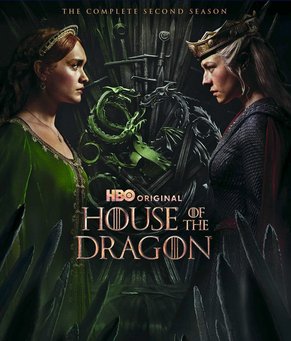
Year of the Red Spring
King's Landing Mentioned on HBOBooks & historyDeaths and marriages lock the realm toward civil war: Laena and Laenor’s fates, Aemond versus Lucerys’s rising feud, and Rhaenyra’s wedding to Daemon. HotD Season 1 climaxes in this cluster—the last chance at peace collapses in a single bloody year.
- What happened
- Personal tragedy becomes succession kindling. After Red Spring, green and black factions harden; the Dance is no longer avoidable politics—it is family war with dragons.
- Dating note
- ~120 AC—fan shorthand for the Red Spring cluster before the Dance (~129 AC). Show timelines compress years; this entry follows book traditional dating.
- Standout games
- HotD S1 adaptation of Fire & Blood. Spoiler-sensitive: keep plot specifics moderate at spoilerLevel 1—focus on political stakes, not every death beat.
- TV coverage
- House of the Dragon Season 1 on screen; book detail in Fire & Blood. Watch-order and US premieres sit on the Game of Thrones timeline, not here.
-
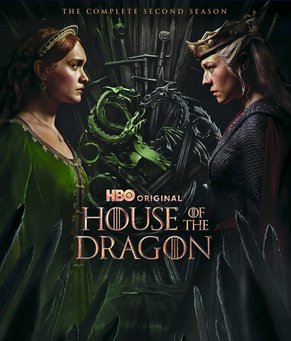
Dance of the Dragons
Westeros Shown on HBOTargaryen civil war—Rhaenyra versus Aegon II—burns the realm and kills most dragons. This is the core Dance of the Dragons timeline shown across House of the Dragon seasons; the war’s heart sits ~129–131 AC even when earlier decades appear on screen.
- What happened
- Succession crisis after Viserys I; dragons wage war on dragons until the species is nearly extinct. Sets up centuries of dragonless Targaryen rule and the later withering that makes Daenerys’s eggs feel miraculous.
- Dating note
- Core war years ~129–131 AC in lore. Do not invent fake episode air dates here—US premieres belong on the watch-order page only.
- Standout games
- Primary book source: Fire & Blood. HotD is the adaptation lane; GoT is ~170 years later. Keep Dance distinct from Robert’s Rebellion and the main saga entries.
- TV coverage
- House of the Dragon (Seasons 1–3+, more planned). Season 1 also covers earlier decades (~112–132 AC on screen). Season watch order: Game of Thrones.
-
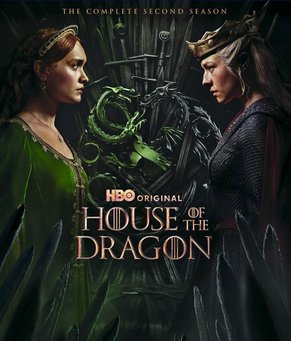
Death of the Last Dragon
Westeros Books & historyMentioned on HBOThe last Targaryen dragon dies under Aegon III—the Dragon’s Withering that leaves the dynasty without living fire for generations. Until Daenerys centuries later, the Iron Throne rules a dragonless realm haunted by Dance memories.
- What happened
- Closes the dragon age that began with Valyria and peaked under the Conquerors. Political power shifts toward armies, gold, and marriage—foreshadowing Blackfyre wars and Dunk & Egg’s quieter roads.
- Dating note
- ~153 AC—maester-cited date for the last dragon’s death (often tied to the Dragon’s Withering). Before Daeron I’s Dornish wars (~157–161 AC).
- Standout games
- Fire & Blood late Dance aftermath. Next military beat: Daeron I conquers Dorne briefly—still without dragons as decisive weapons.
- TV coverage
- Cited in HotD/GoT dragon lore; not shown as a dedicated death scene on HBO. Context for why later kings lack Balerion-scale threats.
-
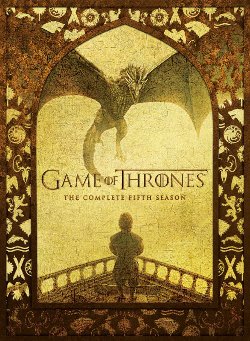
Daeron I Conquers Dorne
Dorne Books & historyMentioned on HBODaeron I the Young Dragon conquers Dorne by spear and strategy (~157 AC), then loses the occupation to rebellion and his own death (~161 AC). A brief Targaryen victory without lasting union—force fails again where Aegon I also failed.
- What happened
- Proves dragons are not required to take Dorne briefly—and that holding it still breaks kings. Sets up the later insight that only marriage (~187 AC) completes the map.
- Dating note
- War ~157–161 AC; ~159 AC often cited as mid-occupation in fan chronologies. Formal peaceful union waits until ~187 AC (next Dorne entry).
- Standout games
- World-book / Fire & Blood Daeron chapters. Pair with Dorne Joins the Realm for the ending searchers actually want: Seven Kingdoms complete.
- TV coverage
- Referenced in world-book and character dialogue; no HBO season for Daeron I. Dornish pride on GoT remembers both conquest attempts and the peaceful joining.
-
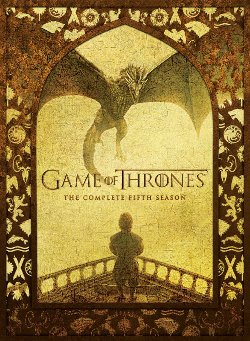
Dorne Joins the Realm
Dorne Books & historyMentioned on HBODorne enters the Seven Kingdoms through marriage—Daeron II and Myriah Martell—not dragonfire. The map most later characters mean by “Seven Kingdoms” finally matches politics; Martell custom and pride remain distinct inside the realm.
- What happened
- Completes Aegon’s unfinished project by diplomacy. Explains why GoT Dorne plots treat the south as kingdom and kin, not a foreign holdout under siege.
- Dating note
- ~187 AC traditional date for the marriage union. Centuries after First Dornish War and decades after Daeron I’s failed occupation.
- Standout games
- World-book union account. Forward links: Blackfyre Rebellions (~196 AC) soon test the newly completed realm’s loyalties.
- TV coverage
- Referenced in Game of Thrones Dornish plotlines; not a HotD focus. History-page milestone rather than a season title on the watch-order timeline.
-
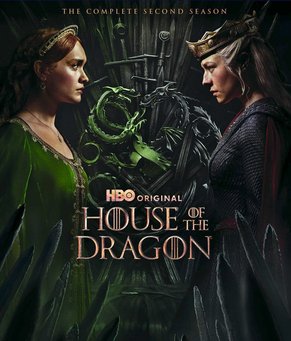
Blackfyre Rebellions
Westeros Books & historyMentioned on HBODaemon Blackfyre’s claim splits Targaryen blood against itself; five rebellions follow over decades of civil war and exile plots. Bastardy, legitimation, and favoritism themes echo into Dunk & Egg tales and later GoT succession talk.
- What happened
- Shows the dynasty can fracture without dragons: banners, swords, and Golden Company dreams. The Blackfyre wound shapes court politics for a century and feeds hedge-knight storytelling.
- Dating note
- First Blackfyre Rebellion traditionally ~196 AC; later risings stretch decades. This entry marks the opening crisis, not every named battle year.
- Standout games
- Novellas and world-book rebellion chapters. Next shown-on-HBO beat: Dunk & Egg (~209 AC) via A Knight of the Seven Kingdoms on Game of Thrones.
- TV coverage
- Book-heavy (The World of Ice & Fire, Dunk & Egg context); occasional references in world material—not a current HBO series. KotSK sits in the aftermath decades.
-
Dunk & Egg
Seven Kingdoms Shown on HBOSer Duncan the Tall and Prince Aegon (Egg) wander a quieter Westeros as hedge knight and squire—about ninety years before Game of Thrones. Egg is the future Aegon V; the tales show roads, tourneys, and smallfolk between great wars.
- What happened
- Human-scale storytelling between Dance trauma and Rebellion tragedy. Reveals Targaryen childhood before crown weight; perfect bridge lore for viewers between HotD and GoT eras.
- Dating note
- ~209 AC for the Hedge Knight era commonly tied to KotSK Season 1. Not the Dance (~129 AC) and not the main saga (~298 AC).
- Standout games
- Martin’s Dunk & Egg novellas are the source. Watch placement: after HotD, before GoT on Story chronology—see the franchise watch timeline for season air dates.
- TV coverage
- A Knight of the Seven Kingdoms Season 1 (2026); Season 2 planned (~2027). US premiere entries live on the Game of Thrones watch-order page.
-
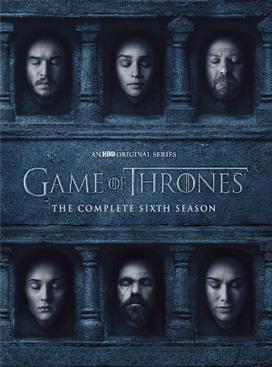
The Mad King (Aerys II)
Westeros Mentioned on HBOBooks & historyAerys II Targaryen—the Mad King—rules with rising paranoia; Jaime joins the Kingsguard while Rhaegar and Lyanna’s tragedy opens the path to Robert’s Rebellion. Targaryen rule rots from within across roughly two decades before the dynasty falls.
- What happened
- Direct setup for the Rebellion and for “who was the Mad King?” backstory told throughout Game of Thrones. Wildfire plots, broken trust, and Kingslayer guilt all root in this reign—not in HotD’s earlier century.
- Dating note
- ~262–283 AC traditional reign span ending with Rebellion. Distinct from Dance (~129–131 AC) and from GoT’s present (~298–305 AC).
- Standout games
- Novel backstory + GoT visions. Next entry: Robert’s Rebellion (283 AC)—the war that ends Aerys and births the Baratheon age the main saga inherits.
- TV coverage
- GoT flashbacks and dialogue (Tower of Joy, Jaime’s oath); HotD only echoes the theme of Targaryen madness. No Mad King season—backstory woven into Game of Thrones.
-
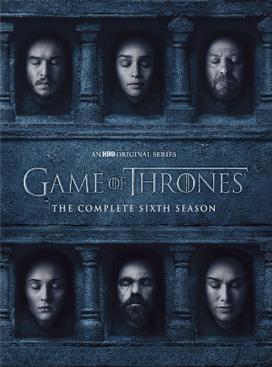
Robert's Rebellion
Westeros Mentioned on HBOBooks & historyRobert Baratheon, Ned Stark, and allies overthrow the Targaryens after Lyanna’s abduction and Aerys’s tyranny; Rhaegar dies at the Trident and the Sack of King’s Landing ends the dynasty. Jon and Daenerys’s births sit in the war’s shadow—GoT starts about seventeen years later.
- What happened
- Ends nearly three centuries of Targaryen kings; installs the Baratheon dynasty and the fragile peace Ned remembers. Every major GoT house trauma traces to this war’s choices and cover-ups.
- Dating note
- 283 AC traditional climax year for the Rebellion. Main saga present begins ~298 AC (roughly fifteen to seventeen years later, depending on count).
- Standout games
- Book histories + GoT flashbacks. SpoilerLevel 1: keep births and parentage lightly framed—deeper parentage reveals belong to main-saga high spoiler entries.
- TV coverage
- Told through Tower of Joy visions and character backstory on Game of Thrones—not a full Rebellion season (previously discussed, not aired as of August 2026).
-
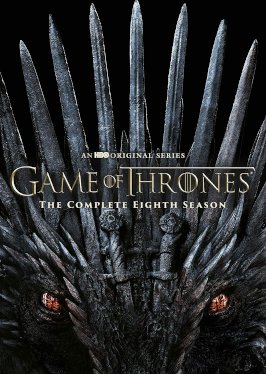
War of the Five Kings & Finale
WesterosEssos Shown on HBOFrom Ned Stark’s fall through the War of the Five Kings, the Wall’s true enemy, and Daenerys’s claim, the realm reshapes by ~305 AC. This is the main Game of Thrones saga on HBO—season windows, not every chapter beat from the unfinished novels.
- What happened
- Climactic AC era of the published and televised story: multiple kings, ice and fire threats, and a rearranged Iron Throne settlement. History-page summary only—detail lives season-by-season on the watch-order timeline.
- Dating note
- ~298–305 AC approximate present of the show. Do not invent fake episode dates here—premieres stay on the franchise watch timeline.
- Standout games
- Novels A Song of Ice and Fire (unfinished) vs finished HBO ending. Licensed games (Telltale, etc.) are optional extras—FAQ territory on the watch-order page.
- TV coverage
- Game of Thrones Seasons 1–8. For US premieres and Story AC ranges per season, use the Game of Thrones page; this entry is the era bracket.
-
Age After the Throne (Snow)
The North Planned seriesAfter the Iron Throne settlement, Jon Snow’s northern exile opens a possible sequel lane—HBO has discussed Snow, not premiered it. Treat this as post-finale TV continuity talk, not book canon and not an aired season with dates.
- What happened
- Would extend screen continuity past ~305 AC if greenlit and released. Until then it marks fan interest in the North after the main saga without inventing plot or air dates.
- Dating note
- ~305 AC+ placeholder era after the GoT finale. No official premiere date as of August 2026—keep this entry undated beyond the post-throne marker.
- Standout games
- Unconfirmed sequel development news only. For finished TV, stay on GoT S1–S8 and the HotD / KotSK lanes already covered on the watch-order page.
- TV coverage
- Listed as Planned series until a US premiere is announced—not part of aired seasons on Game of Thrones. Do not confuse with HotD or KotSK entries.
FAQ
Targaryen timeline, Dance of the Dragons, Mad King, Conquest, books vs HBO, and watch-order links.
Calendar
HBO coverage
For House of the Dragon and Game of Thrones season premiere order, use the Game of Thrones timeline—that page is watch order; this page is history.
Both are milestone entries here (mostly “mentioned on HBO,” not full seasons). Season binge order stays on the watch-order page.
House of the Dragon (Seasons 1–3+) → Dance of the Dragons era (~112–135 AC on screen; the war's core years are ~129–131 AC in lore). A Knight of the Seven Kingdoms → ~209 AC (Dunk & Egg). Game of Thrones → ~298–305 AC (main saga). Everything earlier or later is mentioned on TV, book lore only, or a planned spin-off entry here.