
Release & story order
Devil May Cry timeline
Devil May Cry from the 2001 PS2 original through Devil May Cry 5 (2019)—US release dates, Dante and Vergil's in-universe chronology (DMC 3 first, DMC 2 last), and FAQ for DmC reboot, HD Collection, and Special Edition. Release covers ship dates: When Capcom shipped each action chapter—Devil May Cry (2001) through Devil May Cry 5 (2019), with DmC: Devil May Cry (2013) as Ninja Theory's reboot and Devil May Cry 4: Special Edition (2015) as an expanded re-release. Story follows fiction: One main Capcom continuity: Devil May Cry 3 (Dante's youth) → Devil May Cry → Devil May Cry 4 (Nero) → Devil May Cry 5 → Devil May Cry 2 (furthest future). Use Start Here and Essentials for a 2026 default path; FAQ covers remasters, spin-offs, and skip costs.
Pick your path:
Where to start
Pick Story order for DMC 3 → 1 → 4 → 5 (skip 2), or Release history for Capcom ship order including divisive DMC 2. DmC reboot stays optional on the full list.
- DMC 5 continues Nero from 4—play 4 before 5
- HD Collection bundles 1–4 on modern platforms
- DmC is a separate universe—not on Story tab
Release order
When Capcom shipped each action chapter—Devil May Cry (2001) through Devil May Cry 5 (2019), with DmC: Devil May Cry (2013) as Ninja Theory's reboot and Devil May Cry 4: Special Edition (2015) as an expanded re-release. HD Collection bundles are optional—not separate must-play titles.
- Newcomers → Devil May Cry 5 or HD Collection (DMC 3)—modern action either way
- Story-first → DMC 3 → DMC 1 → DMC 4 → DMC 5 → DMC 2 (optional skip 2)
- Release history → 2001 → 2003 → 2005 → 2008 → 2013 DmC → 2019
- Skip DmC unless you want the reboot—no impact on DMC 5 canon
Story order tips
One main Capcom continuity: Devil May Cry 3 (Dante's youth) → Devil May Cry → Devil May Cry 4 (Nero) → Devil May Cry 5 → Devil May Cry 2 (furthest future). Release order shuffled that—Capcom shipped DMC 2 before 3 and 4. DmC is a separate reboot universe.
- Core saga: Devil May Cry 3 → 1 → 4 → 5; Devil May Cry 2 last or skip
- Devil May Cry 5 continues Nero's arc from 4—play 4 before 5
- Vergil's path: born in 3's backstory; central again in 5
- On Story order, later entries may be hidden—reveal when ready or use Show all spoilers
Story order
One main Capcom continuity: Devil May Cry 3 (Dante's youth) → Devil May Cry → Devil May Cry 4 (Nero) → Devil May Cry 5 → Devil May Cry 2 (furthest future). Release order shuffled that—Capcom shipped DMC 2 before 3 and 4. DmC is a separate reboot universe.
- Core saga: Devil May Cry 3 → 1 → 4 → 5; Devil May Cry 2 last or skip
- Devil May Cry 5 continues Nero's arc from 4—play 4 before 5
- Vergil's path: born in 3's backstory; central again in 5
- On Story order, later entries may be hidden—reveal when ready or use Show all spoilers
Timeline
When each game was released. Click a game for platforms, dates, and where it fits in your playthrough.
Release order
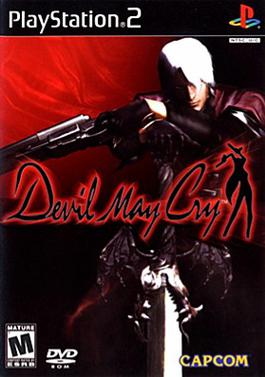
Devil May Cry
PS2ActionMainlineDevil May Cry (2001) invents stylish character action—Dante vs Mundus in Mallet Island gothic spectacle. Release tab year here is 2001.
- Overview
- Dodge-to-style rankings and gun-melee spectacle that influenced a genre (including Bayonetta). Sequel debates still measure new games against what Devil May Cry established.
- In-game setting
- Devil May Cry (2001) invents stylish character action—Dante vs Mundus in Mallet Island gothic spectacle. Release opener; Story order after DMC 3 prequel. HD Collections keep it playable.
- Should you play it?
- Classic entry. Story players should finish DMC 3 first. Follow Start Here if you want the shortest 2026 checklist that still includes this chapter.
- Release date
- US PS2 October 16, 2001. Platforms called out for this beat: PS2.
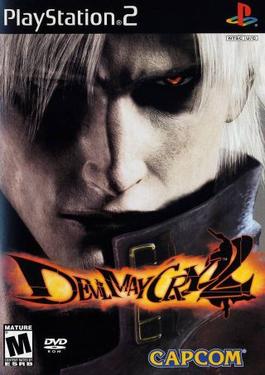
Devil May Cry 2
PS2ActionMainlineDevil May Cry 2 is the divisive Lucia co-lead entry—often placed last in chronology as a far-future outing. Release tab year here is 2003.
- Overview
- Aerial gunplay focus; lighter enemy pushback than peers. Sequel debates still measure new games against what Devil May Cry 2 established.
- In-game setting
- Release second; Story order usually last among numbered classics. Continuity with Devil May Cry 2 is easiest if you play neighboring required titles first.
- Should you play it?
- Optional for style fans; skip on a first lore pass after 3→1→4→5. Follow Start Here if you want the shortest 2026 checklist that still includes this chapter.
- Release date
- US PS2 January 25, 2003. Platforms called out for this beat: PS2.
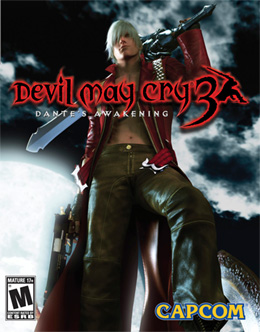
Devil May Cry 3: Dante's Awakening
PS2ActionMainlinePrequelDevil May Cry 3: Dante's Awakening is the teenage Dante/Vergil tower war—series high point and story prequel. Release tab year here is 2005.
- Overview
- Style switching, Taunt, and boss rush reputation that rescued the brand after DMC2. Sequel debates still measure new games against what Devil May Cry 3: Dante's Awakening established.
- In-game setting
- Devil May Cry 3: Dante's Awakening is the teenage Dante/Vergil tower war—series high point and story prequel. Story-order start. Special Edition adds Vergil campaign—FAQ.
- Should you play it?
- Best starting point for story and action craft. Next Story: DMC 1. Follow Start Here if you want the shortest 2026 checklist that still includes this chapter.
- Release date
- US PS2 March 1, 2005; later HD/Switch ports. Platforms called out for this beat: PS2.
Devil May Cry 4
PS3Xbox 360PCActionMainlineDevil May Cry 4 splits campaign between Nero and Dante against the Order of the Sword. Release tab year here is 2008.
- Overview
- Snatch/Exceed gun-melee toys and stylish co-lead structure. Sequel debates still measure new games against what Devil May Cry 4 established.
- In-game setting
- Story after DMC 1, before DMC 5. Special Edition adds extra modes. Devil May Cry 4 splits campaign between Nero and Dante against the Order of the Sword.
- Should you play it?
- Required bridge into DMC 5's Nero/Vergil payoffs. Follow Start Here if you want the shortest 2026 checklist that still includes this chapter.
- Release date
- US January 31, 2008 (PS3/360); PC later; Special Edition 2015. Platforms called out for this beat: PS3, Xbox 360, PC.
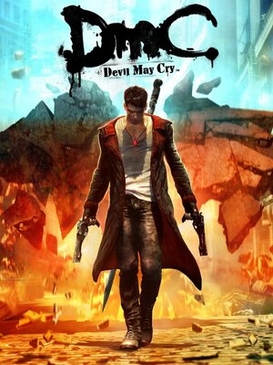
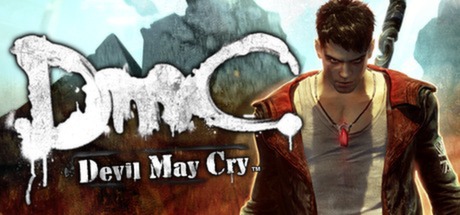
DmC: Devil May Cry
PS3Xbox 360PCActionRebootDmC: Devil May Cry (2013) is Ninja Theory's reboot—alternate Dante, not mainline Capcom chronology. Release tab year here is 2013.
- Overview
- Aggressive angle-grinder aesthetic and tighter hack-and-slash arenas. Sequel debates still measure new games against what DmC: Devil May Cry established.
- In-game setting
- Release-only reboot—absent from main Story order on this page. DmC: Devil May Cry (2013) is Ninja Theory's reboot—alternate Dante, not mainline Capcom chronology.
- Should you play it?
- Optional curiosity; skip for classic Dante continuity (3→1→4→5). Follow Start Here if you want the shortest 2026 checklist that still includes this chapter.
- Release date
- US January 15, 2013; Definitive Edition later. Platforms called out for this beat: PS3, Xbox 360, PC.
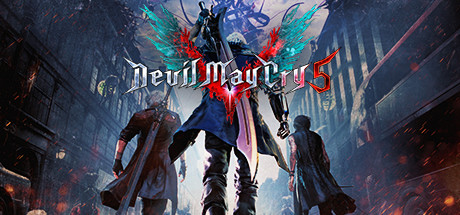
Devil May Cry 5
PS4Xbox OnePCActionMainlineDevil May Cry 5 reunites Nero, Dante, and V against Urizen—modern peak of Capcom stylish action. Release tab year here is 2019.
- Overview
- Three-campaign structure, incredible enemy directors, and Special Edition Vergil. Devil May Cry 5 reunites Nero, Dante, and V against Urizen—modern peak of Capcom stylish action.
- In-game setting
- Story after DMC 4. Current mainline endpoint (DMC2 still later chronologically for some guides). Devil May Cry 5 reunites Nero, Dante, and V against Urizen—modern peak of Capcom stylish action.
- Should you play it?
- Play 3→1→4→5. Cousins: Bayonetta, God of War, Castlevania. Follow Start Here if you want the shortest 2026 checklist that still includes this chapter.
- Release date
- US March 8, 2019; Special Edition on next-gen. Platforms called out for this beat: PS4, Xbox One, PC.
FAQ
Release vs story order, DMC 2 placement, DmC reboot universe, HD bundles, and where to start.
Release order
Release order is when Capcom launched each game in the US (2001–2019)—Devil May Cry 2 shipped before the prequel Devil May Cry 3. Story order follows Dante's timeline: Devil May Cry 3 → Devil May Cry → Devil May Cry 4 → Devil May Cry 5 → Devil May Cry 2 (far future). DmC: Devil May Cry is a 2013 reboot—not on story-order titles.
Modern action first → Devil May Cry 5 (then backtrack to 4 if you care about Nero). Story purist → Devil May Cry HD Collection starting with Devil May Cry 3. Release historian → 2001 original through 2019. Skip Devil May Cry 2 until the end unless you want every numbered entry.
Story & canon
Capcom mainline saga most fans use: Devil May Cry 3: Dante's Awakening → Devil May Cry → Devil May Cry 4 → Devil May Cry 5 → Devil May Cry 2. That matches Dante aging and Nero's arc through 5. Devil May Cry 2 is set farthest ahead—hence last despite shipping second.
Devil May Cry 2 released early (2003) with a darker, rushed feel and Dante seemingly older than in later games. Capcom backfilled lore with DMC 3 (prequel) and expanded Nero in 4/5. Most community lists put DMC 2 last in fiction or skip it—it barely connects to 4/5. Playing 2 after 5 avoids early confusion.
DmC (2013) is Ninja Theory's reboot in an alternate universe—not Capcom mainline canon. release-order titles only; no separate must-play titles. It does not lead into Devil May Cry 5. Play it as a standalone reimagining if you like the combat; skip it for Dante/Vergil/Nero continuity.
Remasters & editions
Optional & spin-offs
More timelines
Other release-order and story-order guides on this site.
- Game series
God of War
God of War release and story order (2005–2022), Greek prequels vs Norse saga, and…
- Game series
DOOM
DOOM release and story order (1993–2025)—classic id Software through Doom Slayer, Doom…
- Game series
Castlevania
Castlevania release and story order (1987–2019)—Igarashi canon, Symphony of the Night…
- Game series
Bloodborne
Bloodborne release and story order (2015)—base game, The Old Hunters, GOTY, and where…
- Game series
Stellar Blade
Stellar Blade release and story order (2024–2025)—Shift Up’s Eve campaign on PS5, New…