
Release & story order
Castlevania timeline
Castlevania from the 1987 NES original through Dawn of Sorrow and the Lords of Shadow trilogy—US release dates, Koji Igarashi's primary chronology (1094–2036), and FAQ for Super Castlevania IV, non-canon GBA entries, and Netflix spin-offs. Release covers ship dates: When Konami shipped each major chapter—NES (1987) through Lords of Shadow 2 (2014) and the 2019 Anniversary Collection bundle. Story follows fiction: Two story worlds on this page. Use Start Here and Essentials for a 2026 default path; FAQ covers remasters, spin-offs, and skip costs.
Pick your path:
Where to start
Pick IGA chronology for Rondo → Symphony → Aria → Dawn → Order of Ecclesia on this page. Lords of Shadow reboot stays optional. Essentials trims Castlevania to the chapters most players should finish first; hide optional rows when you want a shorter checklist.
- Symphony of the Night is the genre landmark—FAQ for ports
- Lords of Shadow is separate reboot universe
- Netflix: Castlevania media
Release order
When Konami shipped each major chapter—NES (1987) through Lords of Shadow 2 (2014) and the 2019 Anniversary Collection bundle. Arcade cabinets, mobile gacha, and fighting-game spin-offs are optional.
- Newcomers → Symphony of the Night or Castlevania: Aria of Sorrow depending on PS1 vs GBA taste
- Classic platforming → NES Castlevania → Dracula's Curse → Super Castlevania IV (alternate retelling—see FAQ)
- Full lore → Story tab from Lament of Innocence—long but complete
- Lords of Shadow → its own branch—does not connect to SotN or the DS games
Story order tips
Two story worlds on this page. Primary Igarashi canon: Lament of Innocence → Dracula's Curse → Curse of Darkness → Simon's era → Harmony of Dissonance → Rondo of Blood → Symphony of the Night → Order of Ecclesia → Bloodlines → Portrait of Ruin → Aria of Sorrow → Dawn of Sorrow. Lords of Shadow is a separate reboot—Gabriel Belmont becomes Dracula.
- Primary canon: LoI → CV3 → Curse of Darkness → Castlevania I → Simon's Quest → Harmony of Dissonance → Rondo → SotN → Ecclesia → Bloodlines → Portrait of Ruin → Aria → Dawn
- Rondo of Blood (1993 JP) ships on Release via Dracula X Chronicles (2007)—Story order still places Rondo before Sotn
- Super Castlevania IV is a popular alternate retelling of Simon's first quest—not on primary story-order titles
- Lords of Shadow trilogy: release order matches story order (LoS → Mirror of Fate → LoS 2)
Story order
Two story worlds on this page. Primary Igarashi canon: Lament of Innocence → Dracula's Curse → Curse of Darkness → Simon's era → Harmony of Dissonance → Rondo of Blood → Symphony of the Night → Order of Ecclesia → Bloodlines → Portrait of Ruin → Aria of Sorrow → Dawn of Sorrow. Lords of Shadow is a separate reboot—Gabriel Belmont becomes Dracula.
- Primary canon: LoI → CV3 → Curse of Darkness → Castlevania I → Simon's Quest → Harmony of Dissonance → Rondo → SotN → Ecclesia → Bloodlines → Portrait of Ruin → Aria → Dawn
- Rondo of Blood (1993 JP) ships on Release via Dracula X Chronicles (2007)—Story order still places Rondo before Sotn
- Super Castlevania IV is a popular alternate retelling of Simon's first quest—not on primary story-order titles
- Lords of Shadow trilogy: release order matches story order (LoS → Mirror of Fate → LoS 2)
Timeline
When each game was released. Click a game for platforms, dates, and where it fits in your playthrough.
Release order
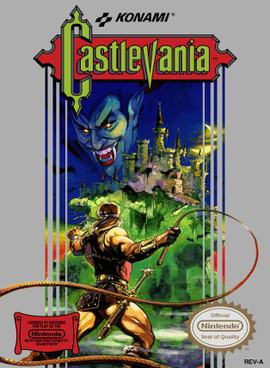
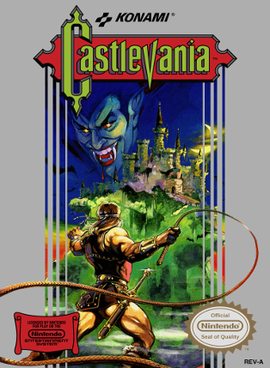
Castlevania
NESPlatformerMainlineClassicSimon Belmont's first NES crusade—Dracula's castle, whip, and stairs. It remains a key Release marker for NES (1987) and how players discuss where to start.
- Overview
- Konami's gothic action platformer template—sub-weapons and punishing jumps. Castlevania still matters for how the series plays and what later games borrow.
- In-game setting
- Story year ~1691 in Igarashi chronology; remade in Castlevania Chronicles (2001). Story beats and cast around.
- Should you play it?
- Start of the Belmont vs Dracula saga on Release order. Play Castlevania where this tab places it; remake entries can replace older versions when listed.
- Release date
- US NES launch May 1, 1987. Shipped around 1987 on NES; prefer current digital editions when originals are awkward.
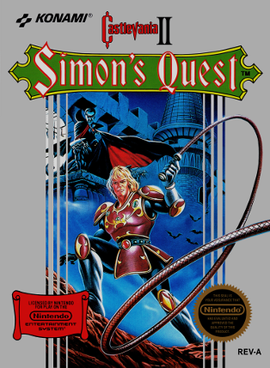
Castlevania II: Simon's Quest
NESPlatformerMainlineClassicOpen-ish NES sequel—day/night cycle and town RPG elements. It remains a key Release marker for NES (1988) and how players discuss where to start.
- Overview
- Experimented with exploration and NPC towns before Metroidvania existed. Castlevania II: Simon's Quest still matters for how the series plays and what later games borrow.
- In-game setting
- Simon's curse after the first game—Story order follows NES Castlevania. Story beats and cast around. Open-ish NES sequel—day/night cycle and town RPG elements.
- Should you play it?
- Divisive but canon on primary Story order. Play Castlevania II: Simon's Quest where this tab places it; remake entries can replace older versions when listed.
- Release date
- US NES launch December 1988. Shipped around 1988 on NES; prefer current digital editions when originals are awkward.
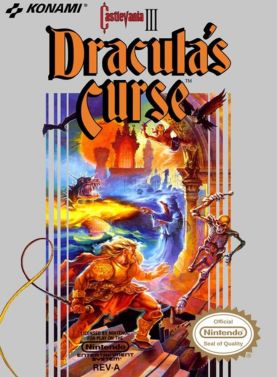
Castlevania III: Dracula's Curse
NESPlatformerMainlineClassicTrevor Belmont and ally paths—Alucard's first playable appearance on NES. Essential 1476 lore before Curse of Darkness, and a common Netflix-era starting reference.
- Overview
- Branching routes and multiple companions on NES hardware—still one of the series' classic action peaks. Trevor Belmont and ally paths—Alucard's first playable appearance on NES.
- In-game setting
- Trevor Belmont and ally paths—Alucard's first playable appearance on NES. Story year 1476—early Belmont vs Dracula war in Igarashi canon, with Alucard joining humanity's side.
- Should you play it?
- Play for Trevor/Sypha/Grant/Alucard lore before Curse of Darkness. Netflix-era fans often start here—see Castlevania media.
- Release date
- US NES launch September 1990. Also included in Castlevania Anniversary Collection on modern storefronts.
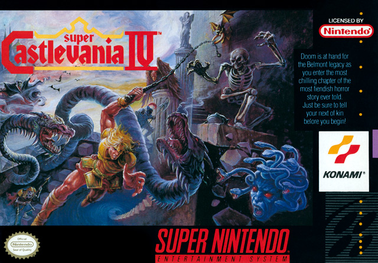
Super Castlevania IV
SNESPlatformerAlternate retellingClassicSNES showcase whip—retelling of Simon's first quest, not a direct sequel. It remains a key Release marker for SNES (1991) and how players discuss where to start.
- Overview
- Mode 7 stages and cinematic SNES audio—fan-favorite classic platformer. Super Castlevania IV still matters for how the series plays and what later games borrow.
- In-game setting
- Alternate timeline retelling of Simon's 1691 adventure—not primary story-order titles. Use neighboring titles with Super Castlevania IV if you want full cast continuity.
- Should you play it?
- Play for action; skip on strict Igarashi Story order unless you want every SNES chapter. Follow Start Here if you want the shortest 2026 checklist that still includes this chapter.
- Release date
- US SNES launch December 10, 1991. Shipped around 1991 on SNES; prefer current digital editions when originals are awkward.
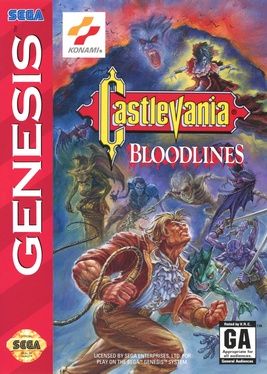
Castlevania: Bloodlines
GenesisPlatformerMainlineClassicJohn Morris and Eric Lecarde—World War I era hunt. It remains a key Release marker for Genesis (1994) and how players discuss where to start.
- Overview
- Genesis-only chapter tying Dracula to real-world Europe history. Castlevania: Bloodlines still matters for how the series plays and what later games borrow.
- In-game setting
- Story year 1917—between Ecclesia and Portrait of Ruin on Story order. Story beats and cast around. John Morris and Eric Lecarde—World War I era hunt.
- Should you play it?
- Included in Anniversary Collection on modern stores. Play Castlevania: Bloodlines where this tab places it; remake entries can replace older versions when listed.
- Release date
- US Genesis launch March 17, 1994. Shipped around 1994 on Genesis; prefer current digital editions when originals are awkward.
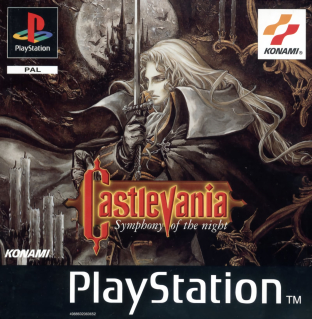
Castlevania: Symphony of the Night
PS1SaturnXbox 360PS4MetroidvaniaMainlineClassicAlucard explores Dracula's castle—defined the Metroidvania genre. It remains a key Release marker for PS1, Saturn, Xbox 360 (1997) and how players discuss where to start.
- Overview
- Non-linear castle, RPG stats, and inverted castle—genre landmark. Alucard explores Dracula's castle—defined the Metroidvania genre.
- In-game setting
- Alucard explores Dracula's castle—defined the Metroidvania genre. Direct sequel to Rondo of Blood (1797 mech → 1797 story). Story beats and cast around Castlevania: Symphony.
- Should you play it?
- Best entry point for exploration-first players. Play Castlevania: Symphony of the Night where this tab places it; remake entries can replace older versions when listed. Animated adaptations: Castlevania media.
- Release date
- US PlayStation launch October 2, 1997. Shipped around 1997 on PS1, Saturn, Xbox 360, PS4; prefer current digital editions when originals are awkward.
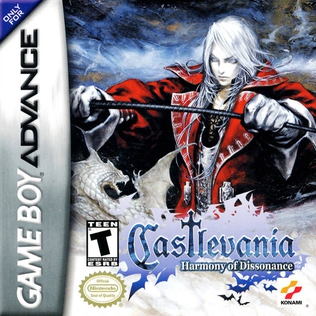
Castlevania: Harmony of Dissonance
GBAMetroidvaniaMainlineHandheldJuste Belmont and a dual-castle GBA adventure. It remains a key Release marker for GBA (2002) and how players discuss where to start.
- Overview
- GBA follow-up to Sotn's exploration formula—twin castle structure. Castlevania: Harmony of Dissonance still matters for how the series plays and what later games borrow.
- In-game setting
- Story year 1748—between Simon's Quest and Rondo on primary chronology. Story beats and cast around. Juste Belmont and a dual-castle GBA adventure.
- Should you play it?
- In Advance Collection on Switch/PS4/PC. Play Castlevania: Harmony of Dissonance where this tab places it; remake entries can replace older versions when listed.
- Release date
- US GBA launch September 16, 2002. Shipped around 2002 on GBA; prefer current digital editions when originals are awkward.
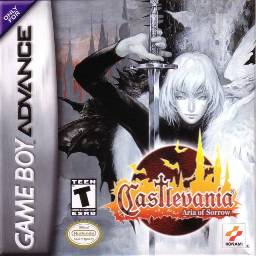
Castlevania: Aria of Sorrow
GBAMetroidvaniaMainlineHandheldSoma Cruz and the soul-absorption mechanic—future Dracula rebirth setup. It remains a key Release marker for GBA (2003) and how players discuss where to start.
- Overview
- Tactical soul system on GBA—fan-favorite handheld Metroidvania. Castlevania: Aria of Sorrow changed series. Soma Cruz and the soul-absorption mechanic—future Dracula rebirth setup.
- In-game setting
- Story year 2035—leads directly into Dawn of Sorrow. Story beats and cast around Castlevania: Aria of Sorrow help align Release vs Story; skip only if tagged optional.
- Should you play it?
- Advance Collection bundles Aria with other GBA entries. Play Castlevania: Aria of Sorrow where this tab places it; remake entries can replace older versions when listed.
- Release date
- US GBA launch May 6, 2003. Shipped around 2003 on GBA; prefer current digital editions when originals are awkward.
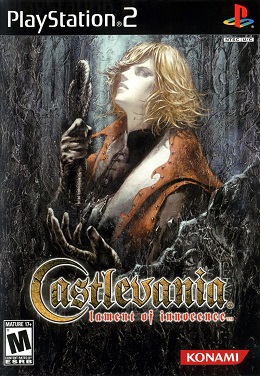
Castlevania: Lament of Innocence
PS2Action-adventureMainline3DLeon Belmont's origin—Whisp of the Sacred Ring and the start of the clan's feud with Dracula. Short PS2 prequel that still opens strict Igarashi Story order.
- Overview
- PS2 3D action prequel that explains the Belmont founding oath and why the whip becomes sacred against Dracula.
- In-game setting
- Leon Belmont's origin—Whisp of the Sacred Ring and the start of the clan's feud with Dracula. Story year 1094—first chapter on primary Story order, long before Simon's NES crusade.
- Should you play it?
- Play first on the full Igarashi lore path. Short by modern standards but required before Dracula's Curse on Story chronology.
- Release date
- US PS2 launch October 21, 2003. Later digital re-releases appear in some regions—check current storefronts.
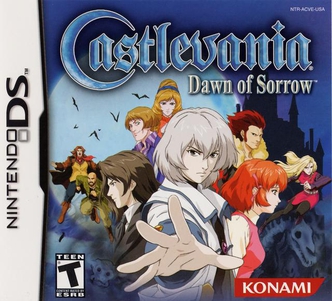
Castlevania: Dawn of Sorrow
Nintendo DSMetroidvaniaMainlineHandheldDS sequel to Aria—dual-screen magic seals and Julius mode. It remains a key Release marker for Nintendo DS (2005) and how players discuss where to start.
- Overview
- Touch-screen sealing mechanic—closes Soma arc on primary canon. Castlevania: Dawn of Sorrow still matters for how the series plays and what later games borrow.
- In-game setting
- DS sequel to Aria—dual-screen magic seals and Julius mode. Story year 2036—current endpoint of Igarashi main timeline on this page. Story beats and cast around.
- Should you play it?
- Play after Aria on Story order—peak DS Metroidvania. Play Castlevania: Dawn of Sorrow where this tab places it; remake entries can replace older versions when listed.
- Release date
- US Nintendo DS launch August 8, 2005. Shipped around 2005 on Nintendo DS; prefer current digital editions when originals are awkward.
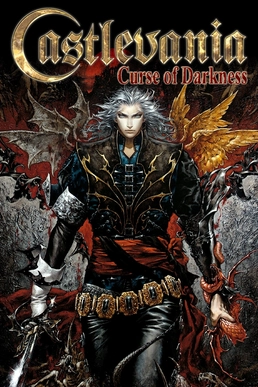
Castlevania: Curse of Darkness
PS2XboxAction-adventureMainline3DHector's devil forgery—sequel to Dracula's Curse era. It remains a key Release marker for PS2, Xbox (2005) and how players discuss where to start.
- Overview
- Companion crafting and 3D brawling on PS2/Xbox. Castlevania: Curse of Darkness still matters for how the series plays and what later games borrow.
- In-game setting
- Story year 1479—follows Trevor/Alucard generation from CV3. Story beats and cast around Castlevania: Curse of.
- Should you play it?
- Story order after CV3, before Simon's NES games. Play Castlevania: Curse of Darkness where this tab places it; remake entries can replace older versions when listed.
- Release date
- US launch November 1, 2005. Shipped around 2005 on PS2, Xbox; prefer current digital editions when originals are awkward.
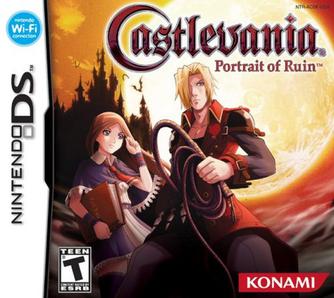
Castlevania: Portrait of Ruin
Nintendo DSMetroidvaniaMainlineHandheldJonathan and Charlotte—WWII-era painting worlds. It remains a key Release marker for Nintendo DS (2006) and how players discuss where to start.
- Overview
- Two-character tag-team Metroidvania on DS. Castlevania: Portrait of Ruin still matters for how the series plays and what later games borrow.
- In-game setting
- Story year 1944—between Bloodlines and Aria on chronology. Story beats and cast around Castlevania: Portrait. Jonathan and Charlotte—WWII-era painting worlds.
- Should you play it?
- Optional mid-lore chapter—strong standalone gameplay. Play Castlevania: Portrait of Ruin where this tab places it; remake entries can replace older versions when listed.
- Release date
- US Nintendo DS launch November 16, 2006. Shipped around 2006 on Nintendo DS; prefer current digital editions when originals are awkward.
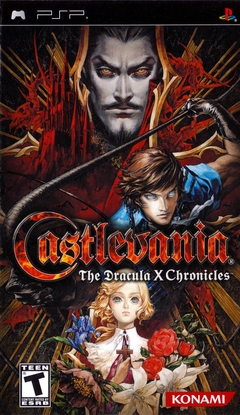
Castlevania: The Dracula X Chronicles
PSPRemakeMainlineHandheldPSP bundle—Rondo of Blood remake plus Symphony of the Night port. It remains a key Release marker for PSP (2007) and how players discuss where to start.
- Overview
- First widespread US release of Rondo of Blood (1993 JP PC Engine). Castlevania: The Dracula X Chronicles still matters for how the series plays and what later games borrow.
- In-game setting
- Rondo (1792) is Story prerequisite for SotN—this entry marks the 2007 US ship date. Story beats and cast around.
- Should you play it?
- Buy for Rondo + SotN together; Dominus Collection on Switch also bundles them. Play Castlevania: The Dracula. Follow Start Here if you want the shortest 2026 checklist that still includes this chapter.
- Release date
- US PSP launch October 23, 2007. Shipped around 2007 on PSP; prefer current digital editions when originals are awkward.
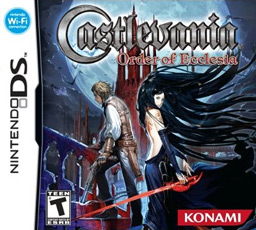
Castlevania: Order of Ecclesia
Nintendo DSMetroidvaniaMainlineHandheldShanoa and glyph magic—last Igarashi-directed handheld mainline. It remains a key Release marker for Nintendo DS (2008) and how players discuss where to start.
- Overview
- Glyph absorption replaces traditional sub-weapons. Castlevania: Order of Ecclesia still matters for how the series plays and what later games borrow.
- In-game setting
- Shanoa and glyph magic—last Igarashi-directed handheld mainline. Story year ~18th century—between SotN and Bloodlines on primary order. Story beats and cast around.
- Should you play it?
- Strong DS entry—Story order after SotN block. Play Castlevania: Order of Ecclesia where this tab places it; remake entries can replace older versions when listed.
- Release date
- US Nintendo DS launch October 21, 2008. Shipped around 2008 on Nintendo DS; prefer current digital editions when originals are awkward.
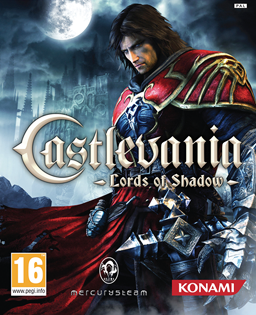
Castlevania: Lords of Shadow
PS3Xbox 360Action-adventureMainlineLords of ShadowMercurySteam reboot—Gabriel Belmont in 1047 Europe. It remains a key Release marker for PS3, Xbox 360 (2010) and how players discuss where to start.
- Overview
- God of War-style 3D action—separate continuity from Igarashi canon. Castlevania: Lords of Shadow still matters for how the series plays and what later games borrow.
- In-game setting
- Gabriel's tragedy sets up a new Dracula origin—not Trevor's lineage. Story beats and cast around Castlevania:.
- Should you play it?
- Start Lords of Shadow branch—no connection to SotN story. Play Castlevania: Lords of Shadow where this tab places it; remake entries can replace older versions when listed.
- Release date
- US launch October 5, 2010. Shipped around 2010 on PS3, Xbox 360; prefer current digital editions when originals are awkward.
Lords of Shadow — Mirror of Fate
Nintendo 3DSAction-adventureMainlineLords of ShadowLoS 2D interquel—Simon, Trevor, and Alucard generations. It remains a key Release marker for Nintendo 3DS (2013) and how players discuss where to start.
- Overview
- Handheld sidescroller bridging LoS 1 and 2. Lords of Shadow — Mirror of Fate still matters for how the series plays and what later games borrow.
- In-game setting
- LoS 2D interquel—Simon, Trevor, and Alucard generations. Same reboot universe—Story order between LoS and LoS 2. Story beats and cast around Lords of Shadow — Mirror.
- Should you play it?
- Play on LoS branch only. Play Lords of Shadow — Mirror of Fate where this tab places it; remake entries can replace older versions when listed.
- Release date
- US Nintendo 3DS launch March 5, 2013. Shipped around 2013 on Nintendo 3DS; prefer current digital editions when originals are awkward.
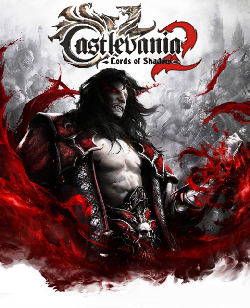
Castlevania: Lords of Shadow 2
PS3Xbox 360PCAction-adventureMainlineLords of ShadowDracula Gabriel in modern and medieval threads—finale of reboot trilogy. It remains a key Release marker for PS3, Xbox 360, PC (2014) and how players discuss where to start.
- Overview
- Open-ish castle hub and dual-era structure. Castlevania: Lords of Shadow 2 still matters for how the series plays and what later games borrow.
- In-game setting
- Dracula Gabriel in modern and medieval threads—finale of reboot trilogy. Ends MercurySteam's LoS arc—separate from Dawn of Sorrow. Story beats and cast around Castlevania: Lords of.
- Should you play it?
- Finish LoS branch here—latest mainline retail chapter as of June 2026. Play Castlevania: Lords of Shadow 2. Follow Start Here if you want the shortest 2026 checklist that still includes this chapter.
- Release date
- US launch February 25, 2014. Shipped around 2014 on PS3, Xbox 360, PC; prefer current digital editions when originals are awkward.
Castlevania Anniversary Collection
SwitchPS4Xbox OnePCCollectionBundleEight-game retro bundle—NES/SNES/Genesis classics plus Chronicles. It remains a key Release marker for Switch, PS4, Xbox One (2019) and how players discuss where to start.
- Overview
- Konami's first major modern compilation—not new story content. Castlevania Anniversary Collection still matters for how the series plays and what later games borrow.
- In-game setting
- Eight-game retro bundle—NES/SNES/Genesis classics plus Chronicles. Includes CV I–III, Super CV IV, Bloodlines, and more—see FAQ for list. Story beats and cast around.
- Should you play it?
- Cheapest way to own the NES/SNES classics on current hardware. Play Castlevania Anniversary Collection where. Follow Start Here if you want the shortest 2026 checklist that still includes this chapter.
- Release date
- US digital launch May 16, 2019. Shipped around 2019 on Switch, PS4, Xbox One, PC; prefer current digital editions when originals are awkward.
FAQ
Release vs story order, Igarashi canon vs Lords of Shadow, SotN placement, remakes, and spin-offs.
Release order
Optional & spin-offs
More timelines
Other release-order and story-order guides on this site.
- Media
Castlevania Media
Castlevania Netflix watch order (2017–2025)—four seasons of the main anime plus…
- Game series
Metroid
Metroid release and story order (1987–2025)—2D exploration, Prime first-person saga,…
- Game series
Resident Evil
Resident Evil release and story order (1996–2026), DLC placement, remake vs classic…
- Game series
The Legend of Zelda
Zelda release and story order (1987–2024), official timeline branches after Ocarina,…
- Game series
God of War
God of War release and story order (2005–2022), Greek prequels vs Norse saga, and…
- Media
Video Game Movies
Video game movies in US release order and by franchise lane—Street Fighter through…
- Game series
Dead Cells
Dead Cells DLC and updates in order—base game through Rise of the Giant, Bad Seed,…