
Release & story order
Metroid games in order
Metroid timeline and Metroid games in order—Samus story chronology, Prime vs 2D paths, and US release dates FAQ. Metroid from the 1987 NES original through Metroid Dread and Metroid Prime 4: Beyond (2025)—US release dates, Nintendo's Samus chronology (Prime saga vs 2D chapters), and FAQ for remakes, Federation Force, and where to start. Release covers ship dates: When Nintendo shipped each main chapter—NES (1987) through Metroid Prime 4: Beyond (December 2025). Story follows fiction: One Samus continuity on this page: Metroid / Zero Mission → Metroid Prime → Hunters → Prime 2 → Prime 3 → Metroid II / Samus Returns → Super Metroid → Other M → Metroid Prime 4: Beyond → Metroid Fusion → Metroid Dread. Use Start Here and Essentials for a 2026 default path; FAQ covers remasters, spin-offs, and skip costs.
Pick your path:
Where to start
Pick 2D saga for Zero Mission through Dread, or Full Samus adding Prime trilogy entries on this page. Prime 4 stays on full list when it ships.
- Zero Mission replaces NES Metroid for most newcomers
- Prime saga is first-person—Story tab orders 2D vs Prime carefully
- Metroid Prime Remastered is the preferred Switch buy—FAQ
Release order
When Nintendo shipped each main chapter—NES (1987) through Metroid Prime 4: Beyond (December 2025). Pinball, Metroid Prime Pinball, and mobile spin-offs are optional, not numbered entries here.
- Newcomers → Metroid Dread (2021) or Metroid Prime Remastered (2023) depending on 2D vs first-person taste
- Classic 2D path → Release order from NES through Super Metroid, then Dread after Fusion on Story order
- Prime path → Prime Remastered → Prime 2 → Prime 3 → Prime 4: Beyond—Hunters is optional handheld
- Skip Federation Force unless you want every disc—it is a spin-off, not mainline Samus
- Prime-only path → see Metroid Prime timeline for first-person saga order
Story order tips
One Samus continuity on this page: Metroid / Zero Mission → Metroid Prime → Hunters → Prime 2 → Prime 3 → Metroid II / Samus Returns → Super Metroid → Other M → Metroid Prime 4: Beyond → Metroid Fusion → Metroid Dread. Nintendo says Prime 4 sits in another dimension but still after Super Metroid and before Fusion.
- Strict lore: Zero Mission (or NES Metroid) → Prime trilogy block → Samus Returns → Super Metroid → Other M → Prime 4 → Fusion → Dread
- Prime 4: Beyond is playable standalone—Nintendo targets newcomers—but Story order places it after Other M
- Samus Returns replaces Metroid II on Story order; keep both on Release order as original vs remake entries
- Metroid Prime Remastered is not a new story chapter—buy it instead of GameCube Prime for gameplay
Story order
One Samus continuity on this page: Metroid / Zero Mission → Metroid Prime → Hunters → Prime 2 → Prime 3 → Metroid II / Samus Returns → Super Metroid → Other M → Metroid Prime 4: Beyond → Metroid Fusion → Metroid Dread. Nintendo says Prime 4 sits in another dimension but still after Super Metroid and before Fusion.
- Strict lore: Zero Mission (or NES Metroid) → Prime trilogy block → Samus Returns → Super Metroid → Other M → Prime 4 → Fusion → Dread
- Prime 4: Beyond is playable standalone—Nintendo targets newcomers—but Story order places it after Other M
- Samus Returns replaces Metroid II on Story order; keep both on Release order as original vs remake entries
- Metroid Prime Remastered is not a new story chapter—buy it instead of GameCube Prime for gameplay
Timeline
When each game was released. Click a game for platforms, dates, and where it fits in your playthrough.
Release order
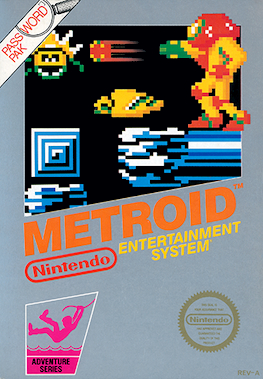
Metroid
NESAction-adventureMainline2DNES Zebes debut plants Maru Mari, Metroids, and the Samus identity reveal that remakes still honor.
- Overview
- Non-linear sci-fi exploration on NES—password saves and the surprise Samus reveal. Non-linear sci-fi exploration with passwords—proto-Metroidvania on 8-bit hardware.
- In-game setting
- First chapter of Samus lore; remade as Metroid: Zero Mission (2004). Cosmic Year 20X5 opener; remade as Zero Mission (2004).
- Should you play it?
- Retro historians start here; newcomers usually pick Zero Mission or Dread instead. Current digital editions are usually easier than hunting original discs.
- Release date
- US NES launch August 15, 1987. Confirm the Metroid SKU for your region before buying.
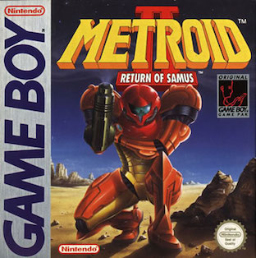
Metroid II: Return of Samus
Game BoyAction-adventureMainline2DMetroid II: Return of Samus — SR388 extermination mission—multiple Metroid evolutions. SR388 extermination across Metroid life stages—darker handheld tone than NES Zebes.
- Overview
- Handheld sequel with amber-scale Game Boy art and a darker tone. SR388 extermination mission—multiple Metroid evolutions.
- In-game setting
- SR388 extermination mission—multiple Metroid evolutions. SR388 extermination across Metroid life stages—darker handheld tone than NES Zebes. Sets up Super Metroid's opening—remade as Metroid: Samus Returns (2017).
- Should you play it?
- Play Samus Returns on Story order unless you want the original GB cartridge. Prefer remakes (Zero Mission, Samus Returns, Prime Remastered) when the original hardware hurts. Current digital editions are usually easier than hunting original discs.
- Release date
- US Game Boy launch November 1, 1991. Confirm the Metroid II: Return of Samus SKU for your region before buying.
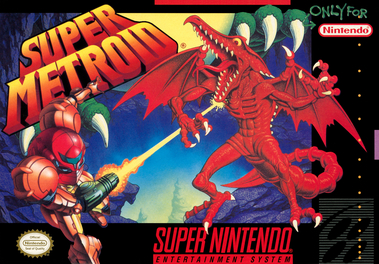
Super Metroid
SNESAction-adventureMainline2DSuper Metroid (1994)—definitive 2D Metroid template—sequence breaking, atmosphere, and speedrun culture. Atmosphere, wall-jump tech, and sequence-break culture still teach designers today. Series craft here still shapes how fans describe later entries.
- Overview
- Definitive 2D Metroid template—sequence breaking, atmosphere, and speedrun culture. Atmosphere, wall-jump tech, and sequence-break culture still teach designers today. Series craft here still shapes how fans describe later entries.
- In-game setting
- definitive 2D Metroid template—sequence breaking, atmosphere, and speedrun culture. Direct sequel to Metroid II; critical bridge before Other M and Prime 4 in lore.
- Should you play it?
- Essential 2D chapter—Story order after Samus Returns / Metroid II. Current digital editions are usually easier than hunting original discs.
- Release date
- US SNES launch April 18, 1994. Also on Switch Online—easiest legal replay.
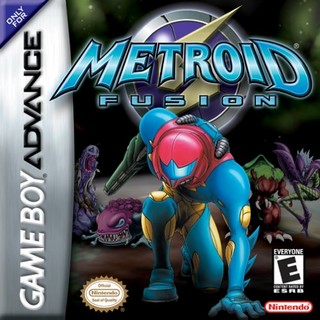
Metroid Fusion
GBAAction-adventureMainline2DMetroid Fusion — X Parasite outbreak on BSL with SA-X pursuit—story-forward GBA tension.
- Overview
- More linear, story-forward GBA entry—introduces Adam Malkovich and the Fusion suit. More directed pathing and Adam’s guidance redefine post-Super 2D structure.
- In-game setting
- X Parasite outbreak on BSL with SA-X pursuit—story-forward GBA tension. Story sequel to Super Metroid era events; leads into Metroid Dread years later.
- Should you play it?
- Story order after Prime 4: Beyond per Nintendo's 2025 placement comments. Remasters and current storefront editions usually beat original hardware alone. Current digital editions are usually easier than hunting original discs.
- Release date
- US GBA launch November 17, 2002—same US day as Metroid Prime.
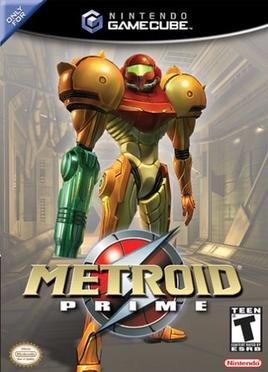
Metroid Prime
GameCubeAction-adventureMainlinePrimeMetroid Prime is Retro’s Tallon IV first-person reboot—Phazon scans and Chozo ruins invent Prime language.
- Overview
- Retro Studios reimagined 2D exploration in 3D—scan visor and isolation on GameCube. Series craft here still shapes how fans describe later entries.
- In-game setting
- Story set after Zero Mission; starts the Prime sub-saga before Hunters and Prime 2. Metroid Prime is Retro’s Tallon IV first-person reboot—Phazon scans and Chozo ruins invent Prime language.
- Should you play it?
- Start via Metroid Prime Remastered on Switch. Trilogy detail: Metroid Prime. Current digital editions are usually easier than hunting original discs.
- Release date
- US GameCube launch November 17, 2002. Remastered on Switch (2023).
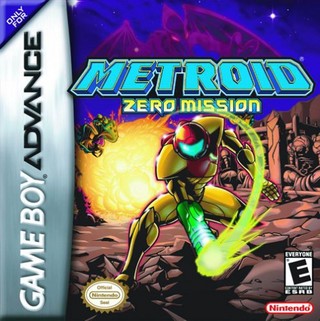
Metroid: Zero Mission
GBAAction-adventureRemake2DMetroid: Zero Mission (2004)—modernizes the 1987 map with new areas and post-credits Chozo lore hooks.
- Overview
- Modernizes the 1987 map with new areas and post-credits Chozo lore hooks. Key chapter in Metroid: Zero Mission—see Start Here for path priority.
- In-game setting
- Same story as NES Metroid—preferred start for 2D lore order. Same 20X5 Zebes crisis with clearer Chozo hooks into Prime-era lore.
- Should you play it?
- Buy on Wii U Virtual Console or hunt GBA cart—Story order replaces NES entry. Preferred 2D Story start—replaces NES entry for most players. Prefer remakes (Zero Mission, Samus Returns, Prime Remastered) when the original hardware hurts.
- Release date
- US GBA launch February 9, 2004. Confirm the Metroid: Zero Mission SKU for your region before buying.
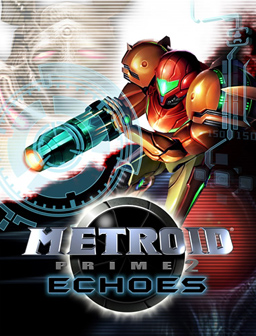
Metroid Prime 2: Echoes
GameCubeAction-adventureMainlinePrimeMetroid Prime 2: Echoes — Aether’s light/dark worlds and Dark Samus emergence escalate Phazon stakes.
- Overview
- Dual-world puzzles and beam ammo management on GameCube. Later entries still echo the systems or tone introduced here.
- In-game setting
- Direct Prime sequel—Story order after Hunters. Story after Hunters—see Metroid Prime for trilogy notes.
- Should you play it?
- Play after Prime Remastered; no standalone Switch port as of June 2026. Remasters and current storefront editions usually beat original hardware alone. Current digital editions are usually easier than hunting original discs.
- Release date
- US GameCube launch November 15, 2004. Confirm the Metroid Prime 2: Echoes SKU for your region before buying.
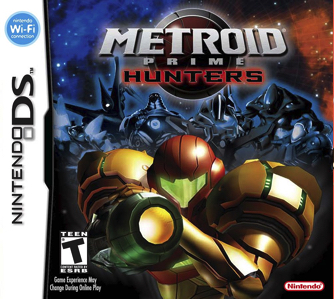
Metroid Prime Hunters
Nintendo DSAction-adventureMainlinePrimeMetroid Prime Hunters (2006)—stylus-aim multiplayer focus with a short single-player campaign. Later entries still echo the systems or tone introduced here. Series craft here still shapes how fans describe later entries.
- Overview
- Stylus-aim multiplayer focus with a short single-player campaign. Later entries still echo the systems or tone introduced here. Series craft here still shapes how fans describe later entries.
- In-game setting
- stylus-aim multiplayer focus with a short single-player campaign. Later entries still echo the systems or tone introduced here. Fits between Prime and Prime 2 in chronology—introduces rival hunter Sylux.
- Should you play it?
- Optional but lore-relevant before Prime 4; campaign is brief. Remasters and current storefront editions usually beat original hardware alone. Current digital editions are usually easier than hunting original discs.
- Release date
- US Nintendo DS launch March 20, 2006. Confirm the Metroid Prime Hunters SKU for your region before buying.
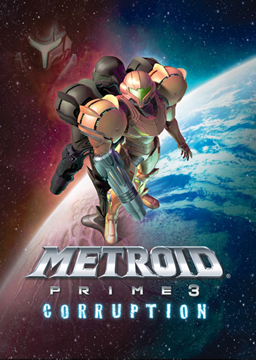
Metroid Prime 3: Corruption
WiiAction-adventureMainlinePrimeMetroid Prime 3: Corruption — Wii pointer controls—Phazon corruption across three planets. Wii Corruption spreads Phazon across Norion, Bryyo, Elysia, and Phaaze—trilogy finale.
- Overview
- First Prime on Wii with hub-ship travel and motion aiming. Motion-controlled ships and hypermode risk redefine Prime combat spectacle.
- In-game setting
- Ends the original Prime trilogy arc until Prime 4 eighteen years later. Closes Prime Phazon arc before Other M’s Bottle Ship detour.
- Should you play it?
- Finish Prime 1–3 block before jumping to 2D Super Metroid on Story order. After Echoes. Trilogy context on Metroid Prime.
- Release date
- US Wii launch August 27, 2007. Included in Metroid Prime Trilogy (Wii).
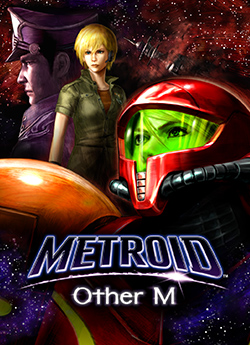
Metroid: Other M
WiiAction-adventureMainline3DMetroid: Other M — Bottle Ship third-person experiment with Adam authorization gates—divisive characterization.
- Overview
- Team Ninja co-developed cinematic action—more linear than Prime or Dread. Bottle Ship third-person experiment with Adam authorization gates—divisive characterization.
- In-game setting
- Story bridge after Super Metroid; controversial tone but canon placement holds. Post-Super Federation intrigue; not required to enjoy Dread’s gameplay peak.
- Should you play it?
- Story order before Prime 4 and Fusion— divisive but short. Story between Super Metroid and Prime 4/Fusion depending on guide; judge tone yourself. Current digital editions are usually easier than hunting original discs.
- Release date
- US Wii launch August 31, 2010. Confirm the Metroid: Other M SKU for your region before buying.
 Optional
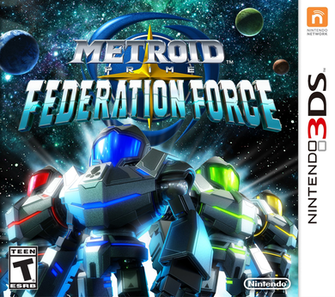
Metroid Prime: Federation Force
Nintendo 3DSSpin-offOptionalPrimeMetroid Prime: Federation Force — Co-op FPS spin-off—Galactic Federation marines, not solo Samus. Optional 3DS co-op Federation troopers—skip on Samus-only lore runs.
- Overview
- Multiplayer-focused side game in the Prime branding. Co-op FPS spin-off—Galactic Federation marines, not solo Samus.
- In-game setting
- Optional chronology between Prime 3 and Samus Returns—Sylux plot threads for Prime 4. Not on main Story Samus chronology for most guides.
- Should you play it?
- Skip for mainline Story order—listed on Release for historians. Marked optional. Prime fans chasing 100% still treat it as side content. Prefer remakes (Zero Mission, Samus Returns, Prime Remastered) when the original hardware hurts.
- Release date
- US Nintendo 3DS launch August 19, 2016. Confirm the Metroid Prime: Federation Force SKU for your region before buying.
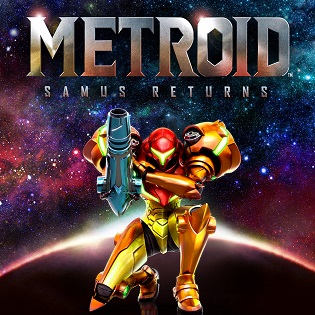
Metroid: Samus Returns
Nintendo 3DSAction-adventureRemake2DMetroid: Samus Returns — 3DS remake of Metroid II—Melee Counter and Aeion abilities. 3DS remake of Metroid II—SR388 Metroid extermination with modern 2.5D combat.
- Overview
- MercurySteam rebuilt SR388 with modern 2.5D combat—same story as GB Metroid II. 3DS remake of Metroid II—Melee Counter and Aeion abilities.
- In-game setting
- Preferred Metroid II chapter on Story order before Super Metroid. Same mission spine as Game Boy II with MercurySteam combat sauce.
- Should you play it?
- Best way to play the SR388 arc today—physical carts still available. Preferred playable edition for the SR388 Story slot before Super Metroid.
- Release date
- US Nintendo 3DS launch September 15, 2017. Confirm the Metroid: Samus Returns SKU for your region before buying.
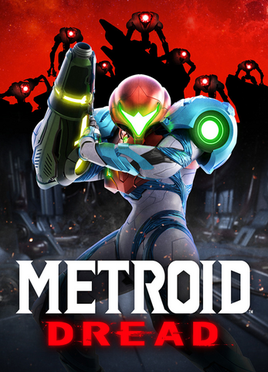
Metroid Dread
SwitchAction-adventureMainline2DMetroid Dread — E.M.M.I. pursuit on ZDR—Fusion sequel decades in the making. Switch 2D peak on ZDR—E.M.M.I. hunts and Chozo twists after Fusion.
- Overview
- MercurySteam return to 2D—stealth chase rooms and fluid movement on Switch. Counter windows and chase AI modernize classic Metroid fear.
- In-game setting
- Direct story follow-up to Metroid Fusion—current 2D endpoint. Cosmic Year 20X9 ZDR finale for the 2D lane on this page.
- Should you play it?
- Best modern 2D entry point; play after Fusion on Story order. Current 2D endpoint. Current digital editions are usually easier than hunting original discs.
- Release date
- US Nintendo Switch launch October 8, 2021. Confirm the Metroid Dread SKU for your region before buying.
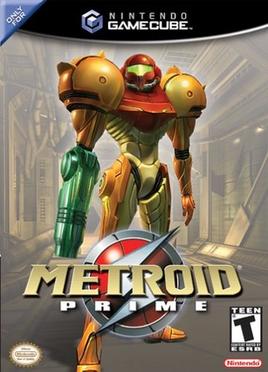
Metroid Prime Remastered
SwitchRemasterPrimeMetroid Prime Remastered — Switch remaster of Tallon IV—Prime plot with modern visuals; buy this over GameCube discs.
- Overview
- Dual-stick controls and upgraded visuals—not a new campaign. Switch remaster of Tallon IV—Prime plot with modern visuals; buy this over GameCube discs.
- In-game setting
- Same Tallon IV plot as GameCube Prime—does not replace Echoes/Corruption. See Metroid Prime.
- Should you play it?
- Buy this instead of GameCube hardware for Prime 1—Story order unchanged. Same Tallon IV plot as GameCube Prime—prefer this Switch edition. Current digital editions are usually easier than hunting original discs.
- Release date
- Digital US launch February 8, 2023; physical February 22, 2023.
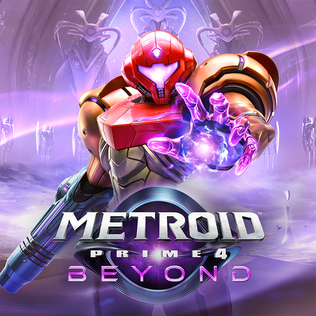
Metroid Prime 4: Beyond
SwitchSwitch 2Action-adventureMainlinePrimeMetroid Prime 4: Beyond — Retro's return—unknown planet, Sylux, and psychic abilities. Viewros dimensional leap—Prime 4: Beyond continues Samus after trilogy Phazon years.
- Overview
- First Prime since 2007—open-zone exploration and Switch 2 enhanced mode. Retro's return—unknown planet, Sylux, and psychic abilities.
- In-game setting
- Nintendo places it after Super Metroid and before Fusion; standalone-friendly. Story before Fusion per 2025 placement talk—verify FAQ on this page.
- Should you play it?
- Newest Prime Release. Chronology notes: Metroid Prime. Current digital editions are usually easier than hunting original discs.
- Release date
- US launch December 4, 2025 on Switch and Switch 2. Platforms: Switch, Switch 2.
FAQ
Release vs story order, Prime vs 2D placement, remakes, Prime 4 timeline slot, and spin-offs.
Release order
Release order is when each game launched in the US (1987–2025)—including remakes and remasters as their own entries. Story order follows Nintendo's Samus timeline: Zero Mission → Prime saga → Samus Returns → Super Metroid → Other M → Metroid Prime 4: Beyond → Fusion → Dread. Prime 4 shipped last but sits before Fusion in fiction. Use Release for franchise history; use Story for lore sequence.
2D action → Metroid Dread (then Fusion if you want backstory). First-person exploration → Metroid Prime Remastered on Switch. Jump into the newest Prime → Metroid Prime 4: Beyond (Nintendo designed it for newcomers). Lore marathon → Story tab from Zero Mission—long but complete.
Story & canon
Remasters & remakes
Optional & spin-offs
Spin-offs (optional)
Other timelines
More timelines
Other release-order and story-order guides on this site.
- Game series
Metroid Prime
Metroid Prime games in US release order (2002–2025)—trilogy, Hunters, Remastered,…
- Game series
The Legend of Zelda
Zelda release and story order (1987–2024), official timeline branches after Ocarina,…
- Consoles
Nintendo consoles
All Nintendo consoles in US release order (1985–2025)—NES through Switch 2, Game Boy,…