
Release & story order
Animal Crossing games in order
This Animal Crossing games in order page tracks Nintendo's life-sim mainline with US release dates—from the GameCube debut (the N64 Japan game localized for the West) through Wild World, City Folk, New Leaf, and New Horizons. Release is the practical buy/play history most players need. Story is soft continuity: each game is mostly a fresh town or island life with recurring villagers, Nook Inc. vibes, and holiday cycles—not a spoiler-heavy saga. Use Start Here for a 2026 default (New Horizons); FAQ covers Welcome amiibo, 2.0, Happy Home Paradise, Pocket Camp, and Happy Home Designer. Nintendo neighbors: Mario games and Pokémon timeline.
Pick your path:
Where to start
Pick New Horizons only for the 2026 default island, Full mainline for every US numbered town era, or Nostalgia GC → NH for the GameCube classic plus the Switch showcase. Essentials hides optional DS/Wii/3DS rows when you want a shorter list.
- New Horizons does not require prior Animal Crossing games—FAQ
- Happy Home Paradise is optional DLC after you own New Horizons
- Pocket Camp and Happy Home Designer are side apps—not mainline checklist items
Release order
US mainline ship order: Animal Crossing on GameCube (September 16, 2002) → Wild World (December 5, 2005) → City Folk (November 16, 2008) → New Leaf (June 9, 2013) → New Horizons (March 20, 2020). Remakes and side apps (Welcome amiibo, Happy Home Designer, Pocket Camp) stay in FAQ unless you collect every hardware generation.
- 2026 default → New Horizons only (plus free 2.0 update; Happy Home Paradise optional)
- Full mainline → GameCube → Wild World → City Folk → New Leaf → New Horizons
- Nostalgia → GameCube or New Leaf before jumping to New Horizons
- Skip freely → older hardware titles are optional history, not homework
Story order tips
Soft continuity of player island/town life—each mainline is mostly standalone. You transfer vibes and familiar faces more than a single plot. Story tab mirrors Release with setting notes (town → Wi-Fi DS town → city Wii town → mayor 3DS town → deserted island Switch life) so newcomers see how the fantasy evolved without a spoiler checklist.
- Each game resets your town/island fantasy—continuity is soft, not cinematic
- New Horizons is the modern island sandbox; older games are alternate eras
- New Leaf Welcome amiibo and NH 2.0/Paradise are edition/DLC notes—FAQ
- On Story order, nothing critical is spoiler-gated—browse freely
Story order
Soft continuity of player island/town life—each mainline is mostly standalone. You transfer vibes and familiar faces more than a single plot. Story tab mirrors Release with setting notes (town → Wi-Fi DS town → city Wii town → mayor 3DS town → deserted island Switch life) so newcomers see how the fantasy evolved without a spoiler checklist.
- Each game resets your town/island fantasy—continuity is soft, not cinematic
- New Horizons is the modern island sandbox; older games are alternate eras
- New Leaf Welcome amiibo and NH 2.0/Paradise are edition/DLC notes—FAQ
- On Story order, nothing critical is spoiler-gated—browse freely
Timeline
When each game was released. Click a game for platforms, dates, and where it fits in your playthrough.
Release order
Animal Crossing
GameCubeLife simMainlineAnimal Crossing (GameCube, September 16, 2002 US) is the Western debut—Nintendo localized and expanded the Japan N64 game into the GameCube town life sim that started the series abroad. Release tab year here is 2002.
- Overview
- Real-time clock living in a village of animal neighbors—letters, fossils, debt to Tom Nook, and holidays tied to your console clock. Defined the franchise loop Western players still recognize.
- In-game setting
- First US mainline town. Later games remix the same fantasy on new hardware rather than continuing one save-file plot.
- Should you play it?
- Nostalgia essential; optional if you only want New Horizons. Play it to feel the series' roots, not because NH requires it.
- Release date
- US September 16, 2002 on Nintendo GameCube (N64 Japan original was earlier). Collectors use GC discs or later Virtual Console-style reissues where offered.
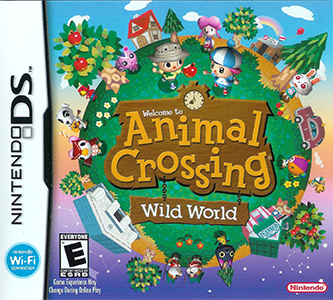
Animal Crossing: Wild World
Nintendo DSLife simMainlineAnimal Crossing: Wild World (December 5, 2005 US) brings the town to Nintendo DS with Wi-Fi visiting, a wider skybox, and portable daily check-ins that reshaped how people lived in their villages.
- Overview
- Portable real-time town plus online visiting made Animal Crossing a daily DS habit, not only a living-room calendar game.
- In-game setting
- Second US mainline era—still a fresh town, soft continuity with familiar systems and characters rather than a sequel plot.
- Should you play it?
- Worth it for DS nostalgia and series history. Skip if you are island-only in 2026—no story homework for New Horizons.
- Release date
- US December 5, 2005 on Nintendo DS. Online services are historical now; local play and offline town life remain the point.
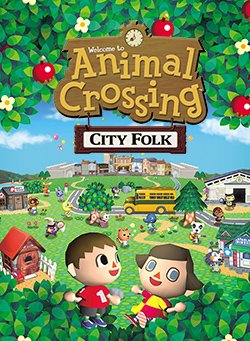
Animal Crossing: City Folk
WiiLife simMainlineAnimal Crossing: City Folk (November 16, 2008 US)—also Let's Go to the City in some regions—adds a bus-ride city hub on Wii while keeping the hometown loop at the center.
- Overview
- Wii town life with a separate city district for shopping and special NPCs, plus Wii Speak-era social experiments. A bridge between DS portability and HD-era comfort.
- In-game setting
- Third US mainline—another mostly standalone town with series mascots returning. Soft continuity only.
- Should you play it?
- Optional for completionists and Wii collectors. Safe skip for New Horizons-only players who just want island life.
- Release date
- US November 16, 2008 on Wii. Region title may read Let's Go to the City; same mainline slot.
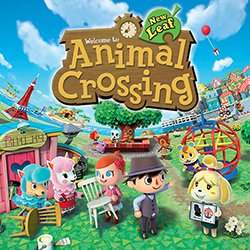
Animal Crossing: New Leaf
Nintendo 3DSLife simMainlineAnimal Crossing: New Leaf (June 9, 2013 US) makes you the town mayor—public works, Main Street shops, and deep customization that many fans still call peak pre-Switch Animal Crossing. Welcome amiibo is an enhanced edition note (FAQ).
- Overview
- Mayor tools, ordinance control, and richer civic building turned the daily checklist into town planning. Huge 3DS audience before New Horizons.
- In-game setting
- Fourth US mainline town fantasy. Soft continuity again—New Horizons does not require finishing your mayoral save.
- Should you play it?
- Best pre-Switch mainline for many players. Optional before NH; excellent if you want 3DS nostalgia or a second town habit.
- Release date
- US June 9, 2013 on Nintendo 3DS. Welcome amiibo update/edition adds amiibo support and extra content—see FAQ.
Animal Crossing: New Horizons
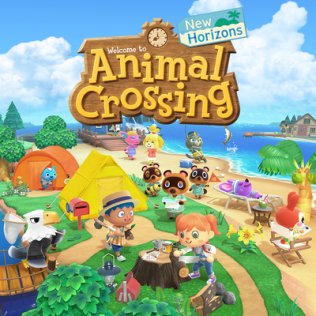
Nintendo SwitchLife simMainlineAnimal Crossing: New Horizons (March 20, 2020) resets the fantasy on a deserted island—terraform, design, and invite villagers on Switch. Free 2.0 update and Happy Home Paradise DLC expand the sandbox (FAQ).
- Overview
- Full island terraforming and design freedom made New Horizons the modern default Animal Crossing—a creative sandbox as much as a daily calendar town.
- In-game setting
- Current mainline endpoint on this page. Soft continuity with older games; no prior title required. DLC/paradise tools sit on top of the base island.
- Should you play it?
- Start here in 2026 unless you specifically want older hardware nostalgia. Add Happy Home Paradise only if you want vacation-home design tools.
- Release date
- US March 20, 2020 on Nintendo Switch (including OLED/Lite). Keep the game updated for 2.0 features.
FAQ
Mainline order, New Horizons DLC, remakes, Pocket Camp, and whether story continuity matters.
Release order
Town & continuity
DLC & editions
Optional & related
More timelines
Other release-order and story-order guides on this site.
- Game series
Super Mario
Super Mario platformer release order (1985–2023)—2D classics, 3D adventures, New Super…
- Game series
Pokémon
Pokémon mainline RPGs in US release order (1998–2025) and regional story…
- Game series
Pikmin
Pikmin release and story order (2001–2023)—GameCube through Switch, Olimar saga, Hey!…
- Game series
Paper Mario
Paper Mario release and story order (2001–2020)—TTYD, Super Paper Mario, Sticker Star…
- Game series
Kirby
Kirby release and story order (1992–2022)—Dream Land through Forgotten Land, Epic Yarn…
- Game series
Splatoon
Splatoon games in order (2015–2022)—Wii U through Splatoon 3, Octo Expansion and Side…
- Game series
Super Smash Bros.
Super Smash Bros games in order (1999–2018)—N64 through Ultimate, separate 3DS/Wii U…
- Game series
Ori
Ori games in order—Blind Forest and Will of the Wisps on the continuous Nibel saga,…
- Game series
Celeste
Celeste chapters and games in order—base mountain climb through Farewell—with dual…