
Release & story order
Tales of games in order
This Tales of games in order guide curates Western-available mainline Bandai Namco JRPG entries players still buy in 2026—not every Japan-only spin-off. Release follows US ship dates from Tales of Symphonia (2004) through Tales of Arise (2021), with Vesperia Definitive Edition noted as the modern remaster path. Story highlights the Berseria → Zestiria shared world (prequel shipped later), Xillia → Xillia 2, Symphonia-saga notes, and Arise as largely standalone. Use Start Here and Essentials; FAQ covers skip lists and remasters. JRPG neighbors: Trails games, Persona timeline, and Final Fantasy.
Pick your path:
Where to start
Pick Modern start (Arise) for the 2026 default, Classic Symphonia for the GameCube landmark path, or Berseria–Zestiria arc for the shared-world pair in correct story order. Essentials hides the long Western catalog so you can finish a focused checklist.
- Arise is the safest first buy in 2026—FAQ
- Vesperia Definitive Edition replaces the 2008 360 disc for most players
- Do not play Zestiria before Berseria if you care about that world's lore
Release order
US-facing mainline ship order on this page: Symphonia (2004) → Vesperia (2008) → Abyss (3DS US 2012) → Graces f (2012) → Xillia (2013) → Xillia 2 (2014) → Zestiria (2015) → Berseria (2017) → Vesperia Definitive Edition (2019 remaster entry) → Arise (2021). Japan-only mid-2000s deep cuts stay in FAQ, not thin timeline rows.
- 2026 default → Tales of Arise (+ Beyond the Dawn DLC if you loved the ending)
- Classic → Symphonia first; add Vesperia Definitive Edition next
- Connected arc → Berseria then Zestiria (ignore ship order for that pair)
- Skip freely → most titles are standalone; FAQ lists low-priority Western ports
Story order tips
Most Tales of games are standalone worlds. Priority arcs: Berseria before Zestiria (same world—prequel shipped after), Xillia before Xillia 2, and Symphonia-saga notes for fans of that cast. Arise is largely standalone; Beyond the Dawn is post-game DLC. Release order puts Zestiria before Berseria—Story tab fixes that.
- Berseria → Zestiria shares one world—play prequel first for lore payoff
- Xillia → Xillia 2 is a direct sequel pair
- Symphonia saga is its own cluster—optional after the opener
- Arise is largely standalone—Beyond the Dawn after the credits
Story order
Most Tales of games are standalone worlds. Priority arcs: Berseria before Zestiria (same world—prequel shipped after), Xillia before Xillia 2, and Symphonia-saga notes for fans of that cast. Arise is largely standalone; Beyond the Dawn is post-game DLC. Release order puts Zestiria before Berseria—Story tab fixes that.
- Berseria → Zestiria shares one world—play prequel first for lore payoff
- Xillia → Xillia 2 is a direct sequel pair
- Symphonia saga is its own cluster—optional after the opener
- Arise is largely standalone—Beyond the Dawn after the credits
Timeline
When each game was released. Click a game for platforms, dates, and where it fits in your playthrough.
Release order
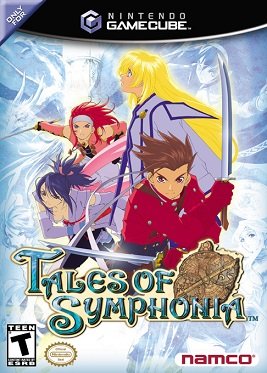
Tales of Symphonia
GameCubeJRPGMainlineTales of Symphonia (GameCube, July 13, 2004 US) is the Western landmark that defined modern Tales—Lloyd's journey across Sylvarant and Tethe'alla with real-time party combat. Release tab year here is 2004.
- Overview
- Brought the series' Linear Motion Battle System to a huge Western audience on Nintendo hardware, with dual-world travel and multiplayer co-op sparring. Still the classic starting point for longtime fans.
- In-game setting
- Sylvarant / Tethe'alla saga opener. Later Symphonia-adjacent titles expand the cast; this page keeps the GameCube mainline as the curated classic entry.
- Should you play it?
- Best classic entry if you want the series' early-2000s peak. Optional if you only care about Arise; required for Symphonia-saga nostalgia paths.
- Release date
- US July 13, 2004 on GameCube; later PS2/PS3 ports and HD collections exist—prefer whatever your platform still sells.
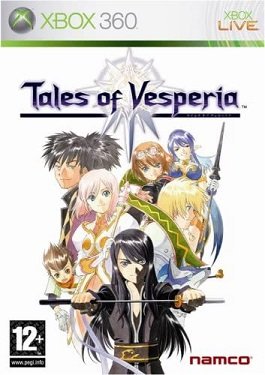
Tales of Vesperia
Xbox 360JRPGMainlineTales of Vesperia (Xbox 360, August 26, 2008 US) follows Yuri Lowell in the Empire of Terca Lumireis—often ranked among the series' best Western releases. Prefer Definitive Edition (2019) for modern play.
- Overview
- Polished free-run combat, blast caliber finishers, and a guild-vs-empire political cast that many fans still call peak Tales. Original 360 cut lacked some JP content later restored in DE.
- In-game setting
- Standalone world—Yuri's guild story does not require Symphonia. On modern platforms, treat Definitive Edition as the same campaign slot with extras.
- Should you play it?
- Highly recommended after Symphonia or as a classic second game. Buy Definitive Edition instead of hunting the 360 disc when possible.
- Release date
- US August 26, 2008 on Xbox 360. See the 2019 Definitive Edition row for current-gen / PC remaster purchase.
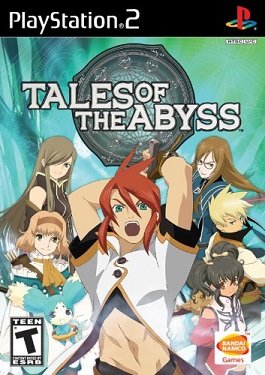
Tales of the Abyss
Nintendo 3DSJRPGMainlineTales of the Abyss reached a wide US audience on Nintendo 3DS (February 14, 2012)—Luke's coming-of-age tale in Auldrant with Fonon tech and identity twists. PS2 was Japan-first; this page uses the well-known US 3DS window.
- Overview
- Field-of-Fonons combat layers and a character arc that pivots hard mid-game—long cited for writing ambition inside the Tales formula.
- In-game setting
- Standalone Auldrant setting. No required prequel; play whenever you want a denser mid-series story after Symphonia/Vesperia.
- Should you play it?
- Worth playing if you like heavier plot twists; skippable if you are Arise-only. 3DS ownership is the practical gate for many Western players.
- Release date
- US February 14, 2012 on Nintendo 3DS (preferred Western edition). Original JP PS2 release was earlier—FAQ covers edition notes.
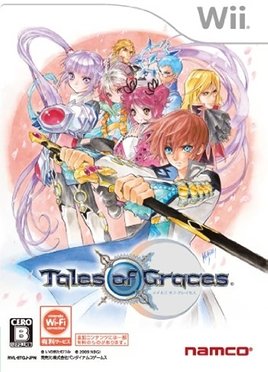
Tales of Graces f
PlayStation 3JRPGMainlineTales of Graces f (PS3, August 14, 2012 US) expands Asbel's childhood-to-adulthood saga with the Lineage & Legacies epilogue bundled in the f cut—fast, stylish combat and a warm party focus.
- Overview
- Accelerated Styles combat and dual-arc structure (childhood arc into adult campaign plus epilogue) made Graces f a fan combat favorite on PS3.
- In-game setting
- Standalone Ephinea setting. Later Remastered ports may exist on newer platforms—check storefronts; story slot stays the same.
- Should you play it?
- Great if you love combat systems and friendship casts. Optional for Arise-first newcomers; solid mid-catalog pick for completionists.
- Release date
- US August 14, 2012 on PlayStation 3. Remaster availability varies by region and year—confirm before buying used discs only.
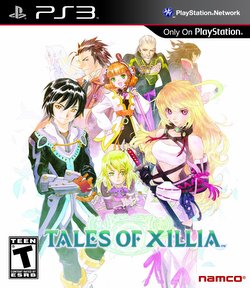
Tales of Xillia
PlayStation 3JRPGMainlineTales of Xillia (PS3, August 6, 2013 US) introduces dual protagonists Jude and Milla in Rieze Maxia—linked anima tech, fractured politics, and the setup required before Xillia 2.
- Overview
- Dual-lead storytelling with linked artes and a world split by spirit technology. Designed as the first half of a two-game arc.
- In-game setting
- Rieze Maxia opener—play before Tales of Xillia 2 for character and plot continuity. Standalone from Symphonia/Arise worlds.
- Should you play it?
- Required if you intend to play Xillia 2. Skip the pair entirely if you only want modern HD Tales like Arise.
- Release date
- US August 6, 2013 on PlayStation 3. Digital leftovers depend on storefront policy—plan a PS3 or compatible path.
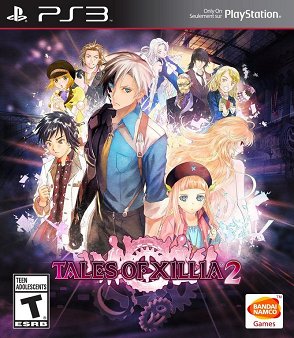
Tales of Xillia 2
PlayStation 3JRPGMainlineSequelTales of Xillia 2 (PS3, August 19, 2014 US) continues Rieze Maxia with Ludger and choice-driven chapter structure—direct sequel, not a soft reboot. Play Xillia first.
- Overview
- Chapter choices, debt meta-progress, and returning cast cameos deepen the first game's world rather than replacing it.
- In-game setting
- Direct sequel to Tales of Xillia—same world continuity. Do not start here cold if you care about Jude/Milla setup.
- Should you play it?
- Only after Tales of Xillia. Skip both games if PS3 access is gone and you are not hunting that two-part arc specifically.
- Release date
- US August 19, 2014 on PlayStation 3. Same platform caveats as Xillia.
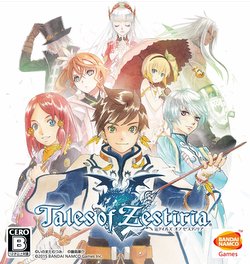
Tales of Zestiria
PCPlayStation 3PlayStation 4JRPGMainlineTales of Zestiria (October 20, 2015 US) follows Sorey as a Shepherd in a world of humans and seraphim. Ships before Berseria, but Story order plays Berseria first as the prequel.
- Overview
- Armatus fusion combat and an open-ish field emphasis pushed mid-2010s Tales toward larger traversal—reception was mixed compared with Berseria.
- In-game setting
- Shared world with Tales of Berseria (prequel). On Story tab, finish Berseria before this for lore payoff; Release lists ship history.
- Should you play it?
- Play after Berseria if you care about the arc. Fine to soft-skip if Arise is your only goal—pair with Berseria when you want connected lore.
- Release date
- US October 20, 2015 on PS3/PS4/PC. Widely available digitally compared with older PS3-only entries.
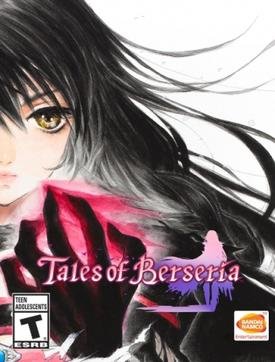
Tales of Berseria
PCPlayStation 3PlayStation 4JRPGMainlinePrequelTales of Berseria (January 24, 2017 US) is Velvet Crowe's darker prequel to Zestiria—ships later but belongs earlier on Story order. Frequently recommended as the stronger half of that shared world.
- Overview
- Souls-style break combat and an antihero revenge tone that many Western players prefer over Zestiria's Shepherd framing.
- In-game setting
- Same world as Zestiria, set earlier. Story tab places this before Zestiria even though Release ships Zestiria first.
- Should you play it?
- Play before Zestiria for the intended lore arc. Excellent mid-catalog pick even if you skip older PS3 dualogies.
- Release date
- US January 24, 2017 on PS3/PS4/PC. Easy to buy in 2026 digital catalogs.
Tales of Vesperia: Definitive Edition
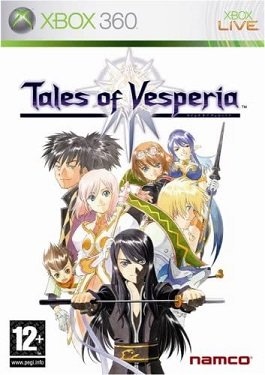
PCNintendo SwitchPlayStation 4Xbox OneRemasterMainlineTales of Vesperia: Definitive Edition (January 11, 2019) remasters the 2008 campaign with restored content and modern platforms—use this instead of the Xbox 360 original when starting Yuri's story in 2026.
- Overview
- Definitive package for Vesperia—extra characters, scenes, and quality-of-life across Switch/PS4/Xbox/PC. Same core story as the 360 game with a fuller cut.
- In-game setting
- Replaces the 2008 Release row for practical play; Story continuity still matches original Vesperia. Not a new numbered saga chapter.
- Should you play it?
- Buy this, not the legacy 360 disc, unless you are collecting. Counts as Vesperia for checklist purposes.
- Release date
- US January 11, 2019 on Switch, PS4, Xbox One, and PC. Preferred purchase path for Vesperia.
Tales of Arise
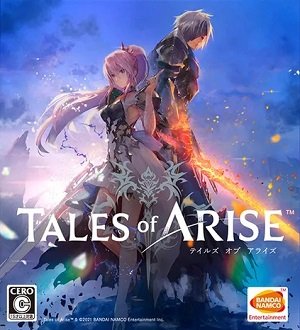
PCPlayStation 4PlayStation 5Xbox OneXbox Series X/SJRPGMainlineTales of Arise (September 10, 2021) is the modern showcase entry—Alphen and Shionne across Dahna and Rena with cinematic production values. Largely standalone; add Beyond the Dawn DLC after the ending if you want more.
- Overview
- Highest production Tales to date for many players—aggressive real-time combat, polished presentation, and a fresh world aimed at newcomers.
- In-game setting
- Mostly standalone; no required Symphonia or Zestiria homework. Beyond the Dawn continues post-game (FAQ / optional DLC path).
- Should you play it?
- Default 2026 starting point. Play older classics later for history; skip nothing critical if Arise is your only Tales this year.
- Release date
- US September 10, 2021 across PC and current/last-gen consoles. Easiest 2026 storefront buy in the series.
FAQ
Where to start in 2026, Berseria before Zestiria, remasters, skip list, and series neighbors.
Release order
Story & arcs
Remasters & DLC
Optional & related
More timelines
Other release-order and story-order guides on this site.
- Game series
Trails
Western Trails localization versus Zemuria story order from Sky FC through Horizon,…
- Game series
Persona
Persona release and story order (1996–2027)—mainline 1 through 5, Strikers, Persona 4…
- Game series
Final Fantasy
Final Fantasy release and story order (1990–2024)—mainline I–XVI, VII Remake/Rebirth,…
- Game series
Xenoblade Chronicles
Xenoblade Chronicles release and story order (2012–2022)—XC1, X, XC2, XC3, Definitive…
- Game series
Dragon Quest
Dragon Quest release and story order (1989–2026)—mainline I–XI, Erdrick trilogy…
- Game series
NieR
NieR release and story order (2010–2021)—Replicant, Automata, ver.1.2247 remake,…