
Release & story order
Horror game series in order
Use this page for horror games in order across major series hubs—not every remake row. Release sorts each franchise by its first US mainline launch, from Resident Evil (1996) through Until Dawn (2015), with pointers into Resident Evil, Silent Hill, Outlast, Amnesia, and more. Story groups vibes (classic survival, camcorder dread, cosmic/sci-fi, cinematic choice) so you pick a feel instead of forcing one shared canon. Essentials covers classic survival, modern cam horror, and cinematic paths for 2026 newcomers.
Pick your path:
Where to start
Pick Classic survival for Resident Evil plus Silent Hill hubs, Modern cam for Outlast and Amnesia first-person dread, or Cinematic for Until Dawn and Alan Wake’s story-forward horror. Open each linked series page for remakes, DLC, and internal play order—this hub only routes you.
- Scared of tanks controls nostalgia → still start via RE / Silent Hill remake guidance on those pages
- Want jump-scare cam → Modern cam path; hide classic tank-control series if needed
- Movie-night coop → Cinematic path (Until Dawn especially)
- Evil Within pairs with cinematic/survival tastes—FAQ if you want Miyazaki-adjacent dread
Release order
When each horror franchise first landed a US mainline release—from Capcom’s Resident Evil (1996) and Konami’s Silent Hill (1999) through Dead Space, Alan Wake, Amnesia, Outlast, The Evil Within, and Until Dawn. Each Release row is a series hub pointer, not a full remake checklist.
- Newcomers 2026 → classic survival Essentials (RE + Silent Hill hubs) or cinematic Until Dawn / Alan Wake
- Cam-horror binge → Outlast + Amnesia hubs after you tolerate first-person helplessness
- Sci-fi horror → Dead Space hub; do not merge it into RE lore
- Full series history → Release tab top to bottom, then dive each linked deep page
Story order tips
There is no single horror-game story timeline. Story groups series by vibe: classic survival (Resident Evil, Silent Hill), cosmic/industrial sci-fi (Dead Space), psychological flashlight horror (Alan Wake, Amnesia), camcorder dread (Outlast), and cinematic choice (Until Dawn, The Evil Within). Use Story to pick a mood; open each linked series page for internal order.
- Classic survival vibe → Resident Evil then Silent Hill (separate canons, shared genre DNA)
- Camcorder dread → Outlast lane; Amnesia for puzzle-darkness cousins
- Cinematic / choice → Until Dawn and Alan Wake as prestige story horror
- On Story order, later entries may feel “harder”—reveal when ready
Story order
There is no single horror-game story timeline. Story groups series by vibe: classic survival (Resident Evil, Silent Hill), cosmic/industrial sci-fi (Dead Space), psychological flashlight horror (Alan Wake, Amnesia), camcorder dread (Outlast), and cinematic choice (Until Dawn, The Evil Within). Use Story to pick a mood; open each linked series page for internal order.
- Classic survival vibe → Resident Evil then Silent Hill (separate canons, shared genre DNA)
- Camcorder dread → Outlast lane; Amnesia for puzzle-darkness cousins
- Cinematic / choice → Until Dawn and Alan Wake as prestige story horror
- On Story order, later entries may feel “harder”—reveal when ready
Timeline
When each game was released. Click a game for platforms, dates, and where it fits in your playthrough.
Release order
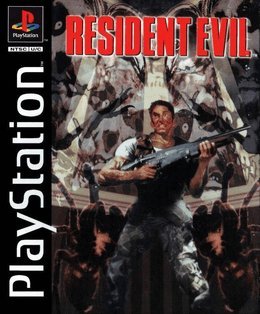
Resident Evil
MultiplatformSurvival horrorSeries hubResident Evil (1996 US) invents mainstream survival horror—mansion puzzles, limited ammo, and Umbrella conspiracy. This hub row points to the full series timeline on Resident Evil, including remakes and spin-off guidance—not every RE remake duplicated here.
- Overview
- Tank-control tension, item-box logistics, and zombie house design that still define the genre. Later over-the-shoulder remakes modernize the same Raccoon City mythos without erasing why the original mattered.
- In-game setting
- Series setting spans Raccoon City, Europe, and global bioterror arcs across decades. Start the deep dive on Resident Evil for release vs story inside Capcom’s canon; this hub only marks the franchise’s 1996 US origin.
- Should you play it?
- Default classic-survival Essentials stop. Newcomers usually follow remake-first advice on the RE page; veterans can chase originals. Required if you want the genre’s foundation before Silent Hill’s psychological turn.
- Release date
- First US mainline: March 30, 1996 (Resident Evil / Biohazard on PlayStation). Later platforms and remakes detailed on the series page.
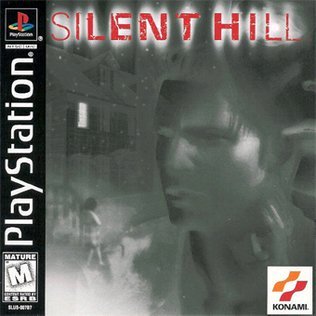
Silent Hill
MultiplatformPsychological horrorSeries hubSilent Hill (1999 US) trades Umbrella zombies for fog, radio static, and town-as-psyche horror. Use this row as the gateway into Silent Hill for remakes, Team Silent classics, and modern reboots—kept as one series cluster here.
- Overview
- Fog-of-war exploration, otherworld shifts, and personal guilt stories differentiated Konami’s flagship from Capcom’s biohorror. Still the reference point for “psychological survival horror.”
- In-game setting
- The town of Silent Hill and its shifting otherworlds are the franchise spine. Full entry order, remakes, and skip advice live on Silent Hill—this hub marks the 1999 US series start only.
- Should you play it?
- Second classic-survival Essentials title after Resident Evil. Play when you want dread and symbolism over shotgun spectacle. Not a sequel to any RE plot.
- Release date
- First US mainline: February 23, 1999 (Silent Hill on PlayStation). Later Team Silent and remake windows on the series page.
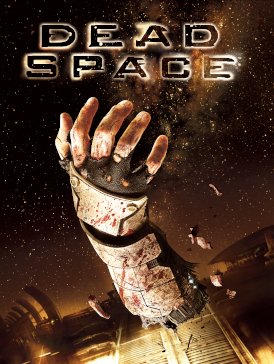
Dead Space
MultiplatformSci-fi horrorSeries hubDead Space (2008) strands engineer Isaac Clarke on the USG Ishimura among necromorphs—strategic dismemberment, diegetic UI, and industrial space dread. Deep dive the trilogy and remake on Dead Space.
- Overview
- Limb-targeting combat and HUD-in-world presentation made sci-fi horror feel modern without losing resource panic. The Ishimura remains one of gaming’s great haunted ships.
- In-game setting
- Story sits in a Marker/Unitology sci-fi continuity separate from Raccoon City or Silent Hill. Series order and remake guidance: Dead Space.
- Should you play it?
- Best cosmic/industrial alternative when classic mansions feel done. Essential if you want sci-fi horror; optional on pure cam or cinematic Essentials paths.
- Release date
- First US mainline: October 13, 2008 (Dead Space on PS3, Xbox 360, PC). Remake and sequels on the series page.
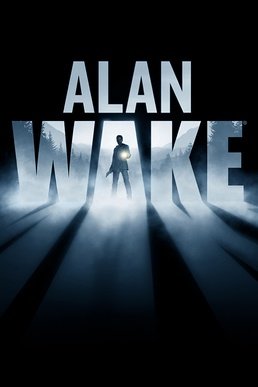
Alan Wake
MultiplatformPsychologicalCinematicSeries hubAlan Wake (2010) drops a thriller novelist into Bright Falls’ darkness-vs-light combat—flashlight as weapon, manuscript pages as lore, and Remedy’s cinematic storytelling. Continue on Alan Wake for American Nightmare, Alan Wake 2, and crossover notes.
- Overview
- Light-as-combat and TV-episode structure made psychological action-horror feel like a live-action thriller game. Still a prestige gateway for story-first players.
- In-game setting
- Bright Falls / Dark Place mythology is self-contained (with later Remedy-verse echoes). Full release and story lanes: Alan Wake.
- Should you play it?
- Cinematic Essentials pick beside Until Dawn. Start here if you want narrative prestige more than inventory tetris. Not required before Outlast or RE.
- Release date
- First US mainline: May 14, 2010 (Alan Wake on Xbox 360; PC later). Sequels and remasters on the series page.
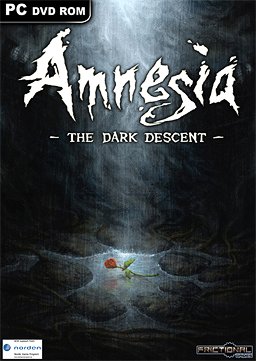
Amnesia
PCConsoleFirst-personPuzzle horrorSeries hubAmnesia: The Dark Descent (2010) popularized modern first-person helplessness—no combat, sanity drain, and castle corridors that taught a generation to hide. Hub details for Machine for Pigs, Rebirth, and The Bunker live on Amnesia.
- Overview
- Defenseless exploration and sanity systems became the template for indie horror that followed. YouTube Let’s Plays made it a cultural event as much as a game release.
- In-game setting
- Each Amnesia title tends to stand alone with shared design DNA rather than one continuous RPG plot. Series browsing: Amnesia.
- Should you play it?
- Modern cam Essentials partner with Outlast. Play when you want puzzle-darkness over shotgun combat. Skip if you need agency and guns to stay engaged.
- Release date
- First US/worldwide digital landmark: September 8, 2010 (Amnesia: The Dark Descent on PC). Later entries and ports on the series page.
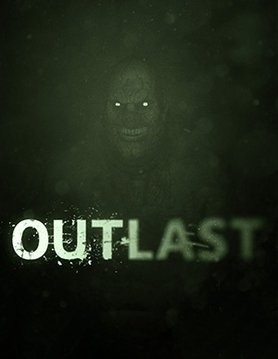
Outlast
MultiplatformCamcorderFirst-personSeries hubOutlast (2013) traps you in Mount Massive Asylum with a camcorder night-vision kit—run, hide, record. Whistleblower DLC and Outlast 2 expand the Red Barrels formula on Outlast.
- Overview
- Camcorder framing and zero-fight design turned asylum horror into a mainstream stealth-panic hit. Battery management and chase sequences still define “modern cam horror.”
- In-game setting
- Mount Massive / Temple Gate settings are franchise-specific—not Umbrella labs. Full order and DLC timing: Outlast.
- Should you play it?
- Core Modern cam Essentials title. Pair with Amnesia for first-person dread; skip if cam-shake nausea or chase panic is a hard no.
- Release date
- First US mainline: September 4, 2013 (Outlast on PC; consoles followed). Sequels and DLC on the series page.
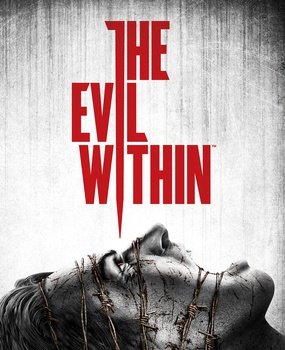
The Evil Within
MultiplatformSurvival horrorSeries hubThe Evil Within (2014) is Shinji Mikami’s post-RE4 nightmare—detective Sebastian Castellanos trapped in STEM’s shifting horrors, scarce ammo, and grotesque set pieces. Sequel and edition notes live on The Evil Within.
- Overview
- Mikami-led third-person survival with trap-filled realms and deliberate difficulty. It bridges classic RE resource panic and modern cinematic set-dressing.
- In-game setting
- STEM / Mobius conspiracy continuity spans the two main games. Deep dive: The Evil Within.
- Should you play it?
- Strong optional bridge between classic survival and cinematic tastes. Not required on the three Essentials paths, but excellent if you loved older RE and want Mikami’s later vision.
- Release date
- First US mainline: October 14, 2014 (The Evil Within on PS3/PS4, Xbox 360/One, PC).
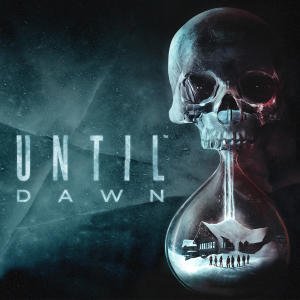
Until Dawn
PlayStationPCCinematicChoice horrorSeries hubUntil Dawn (2015) turns a mountain cabin weekend into a butterfly-effect slasher—eight playable teens, totem clues, and “anyone can die” tension. Spin-offs and remaster notes sit on Until Dawn.
- Overview
- Choice-driven cinematic horror with movie casting energy made couch co-op speculation a feature. Still the clearest “play a horror film” gateway on this hub.
- In-game setting
- Blackwood Pines story is self-contained; later related titles are optional branches on Until Dawn. Heavy spoiler risk—finish before reading deep guides.
- Should you play it?
- Cinematic Essentials anchor with Alan Wake. Ideal first horror game for players who want narrative and choices over inventory management.
- Release date
- First US mainline: August 25, 2015 (Until Dawn on PS4; later PC/remaster windows on the series page).
FAQ
Where to start, remakes vs originals, cam horror vs RE, Dead Space tone, Until Dawn spoilers, and which series page to open next.
Play order
Story-first: Until Dawn or Alan Wake.
Cam panic: Outlast + Amnesia. Do not play every series at once—pick one Essentials path.
This page is a series hub index. Each Release row is a franchise cluster with a deep link. Remake-vs-original order, DLC, and spin-offs belong on the individual series pages so this hub stays scannable.
Horror vibes
Cam / helplessness (Outlast, Amnesia) strips weapons so you hide and manage light or sanity. Pick based on whether you need a gun to stay engaged.
Optional & skips
More timelines
Other release-order and story-order guides on this site.
- Game series
Resident Evil
Resident Evil release and story order (1996–2026), DLC placement, remake vs classic…
- Game series
Silent Hill
Silent Hill release and story order (1999–2025)—Team Silent classics, Western entries,…
- Game series
Outlast
Outlast games in order—Outlast, Whistleblower, Outlast 2, and The Outlast Trials as a…
- Game series
Amnesia
Amnesia games in order—Dark Descent, Machine for Pigs, Rebirth, and The Bunker—with…
- Game series
The Evil Within
The Evil Within games in order—Sebastian Castellanos from the first game through The…
- Game series
Dead Space
Dead Space release and story order (2008–2023)—Isaac Clarke trilogy, Extraction…
- Game series
Until Dawn
Until Dawn and Supermassive horror in release order (2015–2024)—Until Dawn, Remake,…
- Game series
Alan Wake
Alan Wake games in order from the 2010 Bright Falls thriller through American…