
Release & story order
Guilty Gear timeline
Arc System Works’ Guilty Gear from the 1998 arcade original through Guilty Gear -Strive- (2021)—US-oriented release milestones, a practical Story path (1 → X → XX → Xrd -SIGN- → REVELATOR → Strive as a time jump after Xrd, not a reboot wipe), and optional notes for Accent Core Plus R, Isuka, season-pass story, and the anime. Neighbor fighter and stylish-action shelves: Street Fighter, Tekken, Mortal Kombat, Bayonetta, and Devil May Cry.
Pick your path:
Release order
When Arc System Works shipped each mainline fighter milestone—arcade Guilty Gear (1998) through Guilty Gear -Strive- (2021). Release follows 1 → X → XX → Xrd -SIGN- → Xrd -REVELATOR- → Strive. Accent Core Plus R is how you play the XX era today; Isuka, Dust Strikers, Judgment, season-pass story, and the anime are optional.
- Modern newcomers → Guilty Gear -Strive- (2021)—best tutorials, netcode, and current roster
- Classic shelf → XX Accent Core Plus R, then Xrd Rev 2, if you want pre-Strive history
- Release history → 1998 → X → XX → Xrd SIGN → REVELATOR → Strive
- Skip Isuka, Dust Strikers, Judgment, and the anime for mainline fighter canon—optional
Story order tips
Practical Arc continuity for newcomers: Guilty Gear → Guilty Gear X → Guilty Gear XX → Guilty Gear Xrd -SIGN- → Guilty Gear Xrd -REVELATOR- → Guilty Gear -Strive-. Story matches that fighter sequence—Strive is a time jump after Xrd, not a reboot wipe. Spin-offs stay optional.
- Practical path: Guilty Gear → X → XX → Xrd SIGN → REVELATOR → Strive
- Strive jumps after Xrd—it continues the same saga and does not wipe Sol/Ky continuity
- Prefer Accent Core Plus R for the XX era and Rev 2 for the complete Xrd chapter
- On Story order, later entries may be hidden—reveal when ready or use Show all spoilers
Story order
Practical Arc continuity for newcomers: Guilty Gear → Guilty Gear X → Guilty Gear XX → Guilty Gear Xrd -SIGN- → Guilty Gear Xrd -REVELATOR- → Guilty Gear -Strive-. Story matches that fighter sequence—Strive is a time jump after Xrd, not a reboot wipe. Spin-offs stay optional.
- Practical path: Guilty Gear → X → XX → Xrd SIGN → REVELATOR → Strive
- Strive jumps after Xrd—it continues the same saga and does not wipe Sol/Ky continuity
- Prefer Accent Core Plus R for the XX era and Rev 2 for the complete Xrd chapter
- On Story order, later entries may be hidden—reveal when ready or use Show all spoilers
Timeline
When each game was released. Click a game for platforms, dates, and where it fits in your playthrough.
Release order
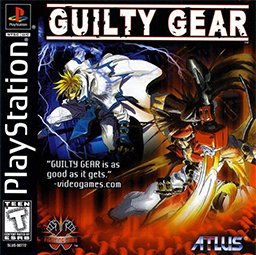
Guilty Gear
ArcadePlayStationportsFightingMainlineArcadeGuilty Gear (arcade May 14, 1998) is Arc System Works’ first fighter—Sol Badguy versus Ky Kiske, leftover Gears after the Crusades, and rock-metal cabinets—before X rebuilds the roster. Origin history—not today’s ranked baseline.
- Overview
- Locks the Sol/Ky rivalry and Gear-war premise that X, XX, and Xrd still answer. The original board is rough beside later titles, but the franchise timeline starts here.
- In-game setting
- Release and Story opener. PlayStation ports share this lineage, not separate titles. Isuka and later spin-offs stay optional.
- Should you play it?
- Optional if you start at Strive. Required for the full Release history shelf from 1998 forward. Follow Start Here if you want the shortest 2026 checklist that still includes this chapter.
- Release date
- Japanese arcade May 14, 1998 (commonly cited); US PlayStation October 31, 1998. Platforms: Arcade, PlayStation, ports.
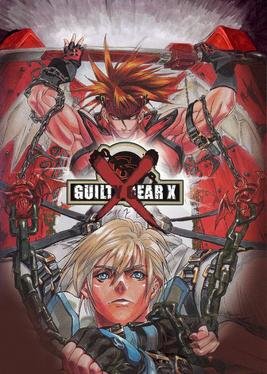
Guilty Gear X
DreamcastPlayStation 2ArcadeFightingMainlineArcadeGuilty Gear X (Dreamcast December 14, 2000) is the first true roster boom—Dizzy after Justice’s fall, Roman Cancel grammar, and a living cast around Sol and Ky. US PlayStation 2 arrives in 2001 as the same X era, not extra titles.
- Overview
- Air dashes, Roman Cancels, and a much larger cast turn Arc’s 2D identity sharp. Later XX boards still speak this cancel language even as the plot moves on.
- In-game setting
- Release after Guilty Gear. On Story, follows the 1998 original into XX. Plus revisions stay this era—optional.
- Should you play it?
- Play for history. Modern newcomers can note it and jump toward Accent Core Plus R or Strive. Follow Start Here if you want the shortest 2026 checklist that still includes this chapter.
- Release date
- Japanese Dreamcast December 14, 2000 (widely cited); US PlayStation 2 October 2, 2001. Platforms: Dreamcast, PlayStation 2, Arcade.
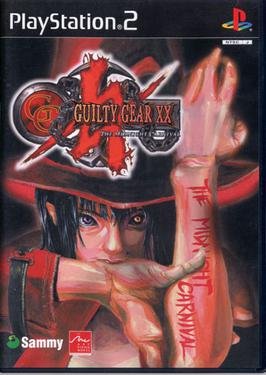
Guilty Gear XX
ArcadePlayStation 2portsFightingMainlineArcadeGuilty Gear XX (arcade May 23, 2002; Guilty Gear X2 in some US listings) is the long classic era—I-No, That Man threads, and years of revisions. Accent Core Plus R is the current way to play this era; earlier boards feed this milestone.
- Overview
- Force Break, Burst, and a decade of balance patches make this the classic competitive language. Plus R is still the board people mean when they say play XX.
- In-game setting
- Release after X. Story places it after X and before Xrd -SIGN-. Plus R is the definitive revision—not a second title.
- Should you play it?
- Required for full classic history. Optional if you only want modern Strive online play. Follow Start Here if you want the shortest 2026 checklist that still includes this chapter.
- Release date
- Japanese arcade May 23, 2002 (commonly cited); US PlayStation 2 home follows in 2003. Platforms: Arcade, PlayStation 2, ports.
Guilty Gear Xrd -SIGN-
PlayStation 3PlayStation 4PCArcadeFightingMainlineGuilty Gear Xrd -SIGN- (US December 16, 2014) rebuilds the look, not the lore—cel-shaded 3D that reads as anime, Ramlethal’s war, and the first new mainline chapter after the long XX years. REVELATOR finishes this arc.
- Overview
- Unreal Engine anime-fighter presentation and a cinematic campaign the classic boards never attempted at this scale. Strive later reconstructs systems again.
- In-game setting
- Guilty Gear Xrd -SIGN- (US December 16, 2014) rebuilds the look, not the lore—cel-shaded 3D that reads as anime, Ramlethal’s war, and the first new mainline chapter after the long XX years. Release after XX. Story follows XX then REVELATOR. Rev 2 can include this camp
- Should you play it?
- Play for the Xrd opening. Skip as a separate buy if Rev 2 already bundles this story. Follow Start Here if you want the shortest 2026 checklist that still includes this chapter.
- Release date
- US PlayStation 3 / PlayStation 4 December 16, 2014; Japanese arcade earlier that year. Platforms: PS3, PS4, PC, Arcade.
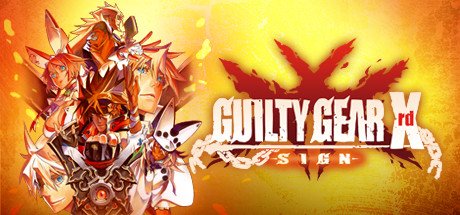
Guilty Gear Xrd -REVELATOR-
PlayStation 3PlayStation 4PCArcadeFightingMainlineGuilty Gear Xrd -REVELATOR- (US home June 7, 2016) continues SIGN directly—Jack-O Valentine, returning faces, and the Universal Will climax. Rev 2 (2017) is the complete Xrd package: After Story, extra fighters, and the usual way to play this era.
- Overview
- Turns Xrd from a first chapter into a full HD saga, then hands the visual language to Strive. Systems stay in the SIGN family; the story is why this milestone exists.
- In-game setting
- Release after SIGN. Story is the second Xrd beat, then Strive jumps. Prefer Rev 2 when you boot the era.
- Should you play it?
- Required for the Xrd close. Optional as a separate buy if Rev 2 already covers this chapter. Follow Start Here if you want the shortest 2026 checklist that still includes this chapter.
- Release date
- US PlayStation 3 / PlayStation 4 June 7, 2016 (documented NA home date). Platforms: PS3, PS4, PC, Arcade.
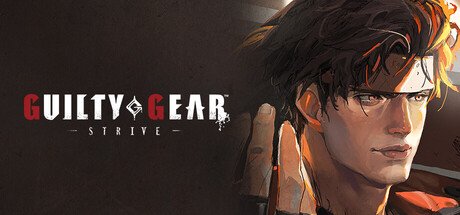
Guilty Gear -Strive-
PlayStation 5PlayStation 4Xbox SeriesPCFightingMainlineGuilty Gear -Strive- (June 11, 2021) is Arc’s current mainline—rollback netcode, reconstructed movement, and a new-look roster after Xrd. Best 2026 on-ramp; a time jump after REVELATOR, not a continuity wipe. Season-pass story stays optional inside this game.
- Overview
- Rollback online, modern tutorials, and high-impact pacing versus Xrd’s older dash game. Story Mode onboards newcomers without requiring 1998 homework.
- In-game setting
- Release and Story closer. Continues after Xrd in Arc chronology. Season-pass extras are optional—not extra titles on this list.
- Should you play it?
- Start here in 2026. Play older mainline titles only for arcade history or backstory depth. Follow Start Here if you want the shortest 2026 checklist that still includes this chapter.
- Release date
- Worldwide June 11, 2021 on PS5, PS4, and PC; Xbox Series later. Platforms listed for this beat.
FAQ
Release vs story order, where to start in 2026, Accent Core Plus R, Xrd editions, Strive’s time jump, and optional spin-offs.
Release order
Release follows Arc System Works ship milestones: Guilty Gear (1998) → X (2000) → XX (2002) → Xrd -SIGN- (2014) → Xrd -REVELATOR- (2016 US) → Strive (2021). Story uses that same mainline fighter sequence, then treats Strive as a time jump after Xrd, not a reboot.
Start with Guilty Gear -Strive-. It has the best tutorials, rollback netcode, and the current competitive scene. Older mainline titles are history and lore—not required homework before you queue ranked.
Story & canon
Strive is a time jump after Xrd, not a reboot wipe. Sol, Ky, and Illyria continuity continue; the look, roster, and systems are reconstructed. You can start at Strive without the older games, but prior mainline titles still count as the same saga—unlike a hard continuity reset.
Revisions & spin-offs
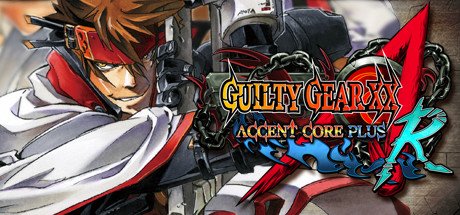
Guilty Gear XX Accent Core Plus R is the current package for the XX era—not a separate title on this list. Play it as the definitive XX revision (Steam, Switch, rollback). Earlier Accent Core / Plus boards are editions of the same era—skip them if you already have Plus R.
Extras & related
More timelines
Other release-order and story-order guides on this site.
- Game series
Street Fighter
Street Fighter games in release and story order (1987–2023)—arcade original through…
- Game series
Tekken
Tekken games in release and story order from 1994 to 2024—arcade original through…
- Game series
Mortal Kombat
Mortal Kombat release and story order (1992–2023)—Midway classics through Armageddon,…
- Game series
BlazBlue
BlazBlue games in release and story order (2009–2016)—Calamity Trigger through Central…
- Game series
Soulcalibur
Soulcalibur games in release and story order (1997–2018)—Soul Blade through…
- Game series
Bayonetta
Bayonetta release and story order (2009–2022)—Bayonetta 1–3, Switch ports, Origins…
- Game series
Devil May Cry
Devil May Cry release and story order (2001–2019)—DMC 3 through 5, DmC reboot, HD…