
Release & story order
Tekken games in order
Tekken games in order—Mishima saga from Tekken 1 through Tekken 8 with release and story FAQ. Namco’s Tekken from the 1994 arcade original through Tekken 8 (2024)—US-oriented mainline milestones, a Mishima-family Story path that tracks the same numbered series (1→2→3→4→5→6→7→8), and FAQ for Tag Tournament, Revolution, Bloodline Rebellion, the live-action films, and Tekken: Blood Vengeance. Neighbor fighter shelves: Street Fighter and Mortal Kombat.
Pick your path:
Release order
When Namco shipped each mainline Tekken milestone—arcade Tekken (1994) through Tekken 8 (2024). Release follows the numbered series: 1→2→3→4→5→6→7→8. Tag Tournament, Revolution, Bloodline Rebellion, films, and the Blood Vengeance anime are optional.
- Modern newcomers → Tekken 8 (2024)—best tutorials, netcode, and current roster
- Classic shelf → Tekken 3 / 5 / 7 if you want arcade-to-HD history before 8
- Release history → 1994 → 2 → 3 → 4 → 5 → 6 → 7 → 8
- Skip Tag, Revolution, films, and Blood Vengeance for mainline game canon—optional
Story order tips
Practical Mishima saga reading for newcomers: Tekken → Tekken 2 → Tekken 3 → Tekken 4 → Tekken 5 → Tekken 6 → Tekken 7 → Tekken 8. Mainline story order matches Release on this page—no Alpha-style prequel shuffle. Tag packs and movies remain optional.
- Mishima path: Tekken 1 → 2 → 3 → 4 → 5 → 6 → 7 → 8 (same order as Release)
- Tag Tournament and Revolution are roster/edition lanes—not story-order steps
- Tekken 8 continues after 7’s climax—no New Era wipe like some rival fighters
- On Story order, later entries may be hidden—reveal when ready or use Show all spoilers
Story order
Practical Mishima saga reading for newcomers: Tekken → Tekken 2 → Tekken 3 → Tekken 4 → Tekken 5 → Tekken 6 → Tekken 7 → Tekken 8. Mainline story order matches Release on this page—no Alpha-style prequel shuffle. Tag packs and movies remain optional.
- Mishima path: Tekken 1 → 2 → 3 → 4 → 5 → 6 → 7 → 8 (same order as Release)
- Tag Tournament and Revolution are roster/edition lanes—not story-order steps
- Tekken 8 continues after 7’s climax—no New Era wipe like some rival fighters
- On Story order, later entries may be hidden—reveal when ready or use Show all spoilers
Timeline
When each game was released. Click a game for platforms, dates, and where it fits in your playthrough.
Release order
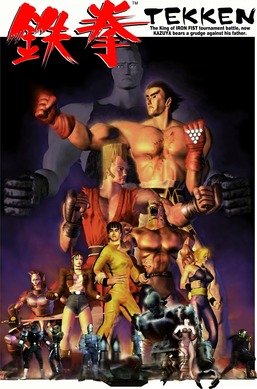
Tekken
ArcadePlayStationportsFightingMainlineArcadeTekken (1994) plants Namco’s 3D arena fighter DNA—Kazuya vs Heihachi, the King of Iron Fist Tournament, and PlayStation home ports that sold a generation on polygonal brawlers before Tekken 2 deepened the Mishima war.
- Overview
- Early 3D fighting with dedicated throw/side-step grammar and a roster that already smells like a soap-opera dynasty. Later mainline titles still answer the systems and family feud this cabinet started.
- In-game setting
- Release and Story opener. Home PlayStation ports share this lineage—same entry, not separate entries. Tag packs are optional.
- Should you play it?
- Optional if you start at Tekken 8. Required for the full Release history shelf from 1994 forward. Follow Start Here if you want the shortest 2026 checklist that still includes this chapter.
- Release date
- Japanese arcade December 9, 1994 (commonly cited); PlayStation ports follow into 1995. Platforms: Arcade, PlayStation, ports.
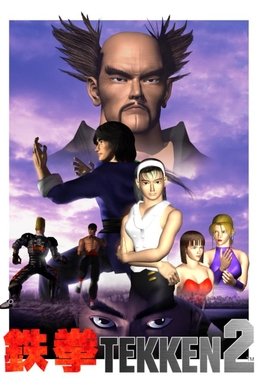
Tekken 2
ArcadePlayStationportsFightingMainlineArcadeTekken 2 (1995) expands the Iron Fist roster and doubles down on Kazuya’s fall—Devil threads, deeper juggles, and PlayStation ports that made Namco’s fighter a living-room staple beside Capcom’s 2D giants.
- Overview
- Richer specials, stage variety, and a clearer Mishima tragedy arc that 3 will inherit. Competitive and story players still treat this as the first “full” classic Tekken package.
- In-game setting
- Direct sequel on both tracks after Tekken. Story stays numbered—2 be. Tekken 2 (1995) expands the Iron Fist roster and doubles down on Kazuya’s fall—Devil threads, deeper juggles, and PlayStation ports that made Namco’s fighter a living-room staple beside Capcom’s 2D giants
- Should you play it?
- Play after Tekken for history. Modern newcomers can note it and jump toward 7/8. Follow Start Here if you want the shortest 2026 checklist that still includes this chapter.
- Release date
- Arcade August 3, 1995 (widely cited); PlayStation home versions follow. Platforms: Arcade, PlayStation, ports.
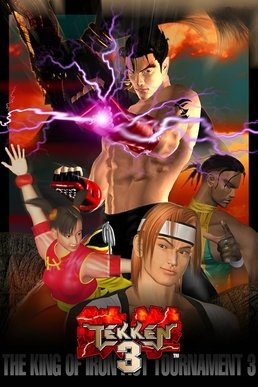
Tekken 3
ArcadePlayStationportsFightingMainlineArcadeTekken 3 (1997) is the PlayStation-era peak many fans still call classic—Jin Kazama arrives, Ogre looms, and sidestep-friendly movement locks the feel later HD titles still chase.
- Overview
- New-generation cast, tighter movement, and arcade-to-PS1 polish that defined late-90s Tekken culture. Tag Tournament later remixes this era’s roster—optional, not a second entry.
- In-game setting
- Release after 2. Story continues the Mishima/Jin thread toward 4. Prefer original or collection ports when hunting this beat.
- Should you play it?
- Essential classic. Strong history stop if you want one pre-4 cabinet before modern netplay. Follow Start Here if you want the shortest 2026 checklist that still includes this chapter.
- Release date
- Arcade March 20, 1997 (commonly cited); PlayStation ports follow. Platforms: Arcade, PlayStation, ports.
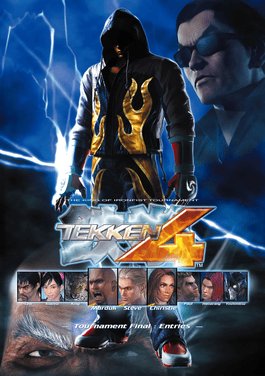
Tekken 4
PlayStation 2ArcadeFightingMainlineTekken 4 (US home September 23, 2002) reboots presentation for PS2—walled stages, a more cinematic Jin/Kazuya/Heihachi collision, and a tournament that feels like prestige drama after the PS1 trilogy.
- Overview
- Environment walls and heavier story framing shift Tekken toward narrative spectacle while keeping 3D footsies. Later 5 soft-corrects some systems fans debated at launch.
- In-game setting
- Release after 3 (US home date anchors this page; arcade ran earlier). Story sits between 3 and 5 on the Mishima ladder.
- Should you play it?
- Required for full saga reading. Optional if you only want modern 7/8 online play. Follow Start Here if you want the shortest 2026 checklist that still includes this chapter.
- Release date
- US PlayStation 2 September 23, 2002; arcade preceded home. Platforms: PlayStation 2, Arcade.
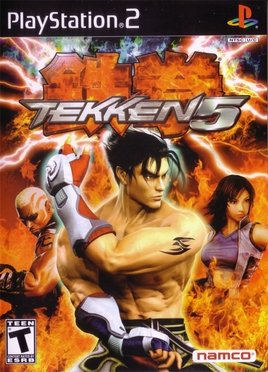
Tekken 5
PlayStation 2ArcadeportsFightingMainlineTekken 5 (US February 2005) restores open floors and beloved movement after 4—Devil Jin pressure, arcade-perfect ports, and Dark Resurrection / Bloodline Rebellion expansions that stay FAQ edition flavor on this page.
- Overview
- Classic Tekken neutral returns with sharper visuals and a roster peak many still lab. Online culture later migrates to 6 and 7, but 5 remains a PS2 landmark.
- In-game setting
- Release after 4. Story continues Mishima/Jin threads toward 6. Bloodline Rebellion is optional—not a separate milestone.
- Should you play it?
- Strong classic-modern bridge. Newcomers in 2026 can prefer Tekken 8, then return for history. Follow Start Here if you want the shortest 2026 checklist that still includes this chapter.
- Release date
- US PlayStation 2 February 24, 2005 (commonly cited); arcade earlier. Platforms: PS2, Arcade, ports.
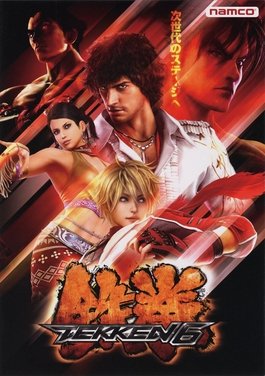
Tekken 6
PlayStation 3Xbox 360PSPArcadeFightingMainlineTekken 6 (US October 27, 2009) pushes HD consoles and Scenario Campaign—Azazel-scale stakes, bound systems, and a war-torn Mishima chapter that feeds Tekken 7’s climax.
- Overview
- Bound combos, larger stages, and a single-player campaign that sells Tekken as an action soap opera as much as a tournament sim. Online life later peaks harder in 7.
- In-game setting
- Release after 5. Story sits between 5 and 7. Portable and arcade variants collapse into this mileston. Tekken 6 (US October 27, 2009) pushes HD consoles and Scenario Campaign—Azazel-scale stakes, bound systems, and a war-torn Mishima chapter that feeds Tekken 7’s climax
- Should you play it?
- Helpful lore bridge into 7. Not mandatory before booting Tekken 8 tutorials. Follow Start Here if you want the shortest 2026 checklist that still includes this chapter.
- Release date
- US PS3/Xbox 360 October 27, 2009 (arcade/JP earlier). Platforms: PS3, Xbox 360, PSP, Arcade.
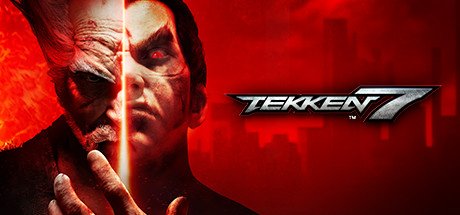
Tekken 7
PlayStation 4Xbox OnePCArcadeFightingMainlineTekken 7 (US retail June 2, 2017; arcade 2015) is the long-running HD mainline—Rage Arts, a cinematic Mishima finale, and years of DLC that defined esports Tekken before 8. Free-to-play PC windows and arcade boards feed this entry.
- Overview
- Power Crush, Rage Drive tools, and Unreal Engine presentation modernize Tekken for Twitch-era tournaments. Story Mode finally stages the Heihachi/Kazuya/Jin collision fans waited on.
- In-game setting
- Release after 6 (US home date anchors; JP arcade March 2015). Story precedes Tekken 8. Season characters stay inside this milestone.
- Should you play it?
- Still excellent for lore and ranked history; Tekken 8 is the better 2026 default entry for new online players.
- Release date
- US consoles/PC June 2, 2017; Japanese arcade March 18, 2015. Platforms: PS4, Xbox One, PC, Arcade.
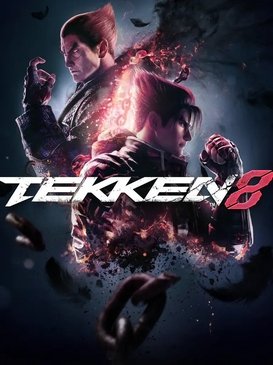
Tekken 8
PlayStation 5Xbox SeriesPCFightingMainlineTekken 8 (January 26, 2024) is Bandai Namco’s current mainline—Heat system aggression, modern tutorials, and a post-7 Jin chapter that continues the Mishima saga without a full New Era wipe.
- Overview
- Heat bursts, clearer newcomer onboarding, and spectacle stages push Tekken’s offense-forward identity for current-gen hardware. Live seasons extend the roster after launch.
- In-game setting
- Release and Story closer. Continues after 7 in practical Mishima chronology. Edition/season DLC stays inside this entry.
- Should you play it?
- Start here in 2026. Play older mainline titles only for arcade history or backstory depth. Follow Start Here if you want the shortest 2026 checklist that still includes this chapter.
- Release date
- Worldwide January 26, 2024 on PS5, Xbox Series, and PC. Platforms listed for this beat.
FAQ
Release vs Mishima story order, where to start in 2026, Tag / Revolution editions, films, and Blood Vengeance.
Release order
Release and Story both follow the numbered mainline shelf: Tekken → 2 → 3 → 4 → 5 → 6 → 7 → 8. There is no Alpha-style prequel shuffle on this page—Mishima saga reading matches ship order for these milestones.
Start with Tekken 8. It has the best tutorials, modern netcode, and the current competitive scene. Older mainline titles are history and lore—not required homework before you queue ranked.
Story & canon
Practical Mishima reading on this page: Tekken → Tekken 2 → Tekken 3 → Tekken 4 → Tekken 5 → Tekken 6 → Tekken 7 → Tekken 8. Exact ending charts vary by character; this is the newcomer-friendly numbered ladder.
Editions & spin-offs
Tekken Tag Tournament and Tag Tournament 2 are optional tag-team games—great for roster fun, not required steps between Tekken 1 and Tekken 8. Play them for tag systems and nostalgia; skip them if you only want the numbered Mishima saga.
Movies & extras
More timelines
Other release-order and story-order guides on this site.
- Game series
Street Fighter
Street Fighter games in release and story order (1987–2023)—arcade original through…
- Game series
Mortal Kombat
Mortal Kombat release and story order (1992–2023)—Midway classics through Armageddon,…
- Game series
Guilty Gear
Guilty Gear games in release and story order (1998–2021)—arcade original through…
- Game series
BlazBlue
BlazBlue games in release and story order (2009–2016)—Calamity Trigger through Central…
- Game series
Soulcalibur
Soulcalibur games in release and story order (1997–2018)—Soul Blade through…
- Game series
Bayonetta
Bayonetta release and story order (2009–2022)—Bayonetta 1–3, Switch ports, Origins…
- Game series
Devil May Cry
Devil May Cry release and story order (2001–2019)—DMC 3 through 5, DmC reboot, HD…
- Game series
God of War
God of War release and story order (2005–2022), Greek prequels vs Norse saga, and…