
Release & story order
Mortal Kombat timeline
Mortal Kombat from the 1992 arcade original through Mortal Kombat 1 (2023)—US release dates, Midway-era chronology ending at Armageddon, the NetherRealm Studios reboot (MK9–MK11), and Liu Kang’s New Era reset. Theatrical films live on Mortal Kombat movie watch order. Neighbor fighters: Street Fighter and Tekken. UMK3/Trilogy, Mythologies, Special Forces, Shaolin Monks, MK vs DC, and mobile titles are optional on this games page—not titles on this timeline.
Pick your path:
Release order
When Midway and NetherRealm shipped each mainline fighter—arcade Mortal Kombat (1992) through Mortal Kombat 1 (2023). Release order matches the numbered series: classics → 3D Midway trilogy → 2011 reboot → X → 11 → New Era. Expanded arcade packs, spin-offs, and movies are optional.
- Modern newcomers → Mortal Kombat 1 (2023) or MK11 + Aftermath—current fighters, clearer tutorials
- Reboot saga → MK9 (2011) → MKX → MK11 before New Era if you want Raiden’s redo
- Klassic shelf → MK1 through Armageddon in release order—arcade roots then 3D Midway
- Skip movies and MK vs DC for game canon—optional on this page
Story order tips
Three stacked continuities on this page: Klassic Midway loosely MK1→II→3→4→Deadly Alliance→Deception→Armageddon (classic ends there); NetherRealm reboot MK9→X→11; then MK1 (2023) as Liu Kang’s New Era after MK11 Aftermath. The 2011 reboot resets the board; MK1 (2023) resets again.
- Klassic Midway: MK1 → MK2 → MK3 → MK4 → Deadly Alliance → Deception → Armageddon ends classic
- NetherRealm reboot: MK9 (2011) → MKX → MK11—Raiden’s redo after Armageddon’s climax
- New Era: Mortal Kombat 1 (2023) resets again after MK11 Aftermath—not a direct week-later sequel
- On Story order, later entries may be hidden—reveal when ready or use Show all spoilers
Story order
Three stacked continuities on this page: Klassic Midway loosely MK1→II→3→4→Deadly Alliance→Deception→Armageddon (classic ends there); NetherRealm reboot MK9→X→11; then MK1 (2023) as Liu Kang’s New Era after MK11 Aftermath. The 2011 reboot resets the board; MK1 (2023) resets again.
- Klassic Midway: MK1 → MK2 → MK3 → MK4 → Deadly Alliance → Deception → Armageddon ends classic
- NetherRealm reboot: MK9 (2011) → MKX → MK11—Raiden’s redo after Armageddon’s climax
- New Era: Mortal Kombat 1 (2023) resets again after MK11 Aftermath—not a direct week-later sequel
- On Story order, later entries may be hidden—reveal when ready or use Show all spoilers
Timeline
When each game was released. Click a game for platforms, dates, and where it fits in your playthrough.
Release order
Mortal Kombat
ArcadeGenesisSNESportsFightingMainlineArcadeMortal Kombat (1992) invents digitized fighters, the Outworld tournament hook, and Fatalities that defined 1990s arcade controversy—Shang Tsung’s island, Goro, and the first wave of home ports.
- Overview
- Digitized martial-arts sprites, blood toggle culture wars, and Fatality finishers that made Midway a household name overnight. Later chapters still answer the systems and tone this entry set.
- In-game setting
- Release and Story opener for Klassic Midway. Home ports (Genesis/SNES and more) follow the arcade core—same entry, not separate entries.
- Should you play it?
- Required Klassic start. Follow Start Here if you want the shortest 2026 checklist that still includes this chapter.
- Release date
- US arcade October 8, 1992; major console ports 1993. Platforms called out for this beat: Arcade, Genesis, SNES, ports.
Mortal Kombat II
ArcadeGenesisSNESportsFightingMainlineArcadeMortal Kombat II escalates to Shao Kahn’s Outworld—Kitana, Mileena, Jax, and Babalities expand the roster while the tournament war leaves Earthrealm.
- Overview
- Deeper specials, stage fatalities, and a larger cast that cemented MK as Street Fighter’s bloody rival. Later chapters still answer the systems and tone this entry set.
- In-game setting
- Direct Klassic sequel in both orders. Arcade commonly cited mid-1993 (June era); home ports follow. Mortal Kombat II escalates to Shao Kahn’s Outworld—Kitana, Mileena, Jax, and Babalities expand the roster while the tournament war leaves Earthrealm.
- Should you play it?
- Play after MK1. Follow Start Here if you want the shortest 2026 checklist that still includes this chapter. Follow Start Here if you want the shortest 2026 checklist that still includes this chapter.
- Release date
- US arcade mid-1993 (commonly June); console ports 1994. Platforms called out for this beat: Arcade, Genesis, SNES, ports.
Mortal Kombat 3
ArcadePlayStationGenesisSNESportsFightingMainlineArcadeMortal Kombat 3 brings Shao Kahn’s invasion to Earthrealm streets—run mechanics, animalities, and a roster shake-up before UMK3/Trilogy expansions (optional).
- Overview
- Dash/run movement and urban stages shift the series from island tournament to invasion spectacle. Later chapters still answer the systems and tone this entry set.
- In-game setting
- Klassic third beat. Ultimate Mortal Kombat 3 and Trilogy revise the same war—covered in FAQ, not extra titles.
- Should you play it?
- After MK2 on both tracks. Follow Start Here if you want the shortest 2026 checklist that still includes this chapter.
- Release date
- US arcade April 15, 1995; home “Mortal Friday” ports later that year. Platforms called out for this beat: Arcade, PlayStation, Genesis, SNES, ports.
Mortal Kombat 4
ArcadePlayStationN64PCFightingMainline3DMortal Kombat 4 jumps to 3D polygons—weapons, Quan Chi’s debut era, and Edenia stakes as Midway leaves digitized sprites behind.
- Overview
- First mainline 3D MK with weapon pickups and a thinner but pivotal lore cast. Later chapters still answer the systems and tone this entry set.
- In-game setting
- Bridge into the 3D Midway trilogy (Deadly Alliance onward). Mythologies: Sub-Zero is optional prequel flavor.
- Should you play it?
- After MK3 on Story. Follow Start Here if you want the shortest 2026 checklist that still includes this chapter.
- Release date
- US arcade late 1997 (commonly October era); N64/PS1/PC home versions follow. Platforms called out for this beat: Arcade, PlayStation, N64, PC.
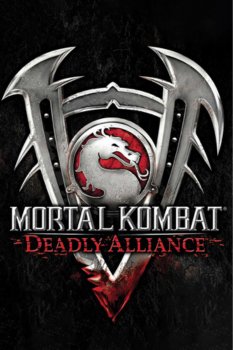
Mortal Kombat: Deadly Alliance
PlayStation 2XboxGameCubeGame Boy AdvanceFightingMainline3DMortal Kombat: Deadly Alliance relaunches Midway in 3D kombat styles—Quan Chi and Shang Tsung’s alliance, multiple fighting styles per character, and Konquest mode roots.
- Overview
- Style-switching fighters and a darker post-MK4 power vacuum that sets up Onaga. Later chapters still answer the systems and tone this entry set.
- In-game setting
- First of the Midway 3D trilogy on both tracks. Shaolin Monks (FAQ) retells related beats as a beat-’em-up. Mortal Kombat: Deadly Alliance relaunches Midway in 3D kombat styles—Quan Chi and Shang Tsung’s alliance, multiple fighting styles per character, and Konquest mode roots
- Should you play it?
- After MK4. Follow Start Here if you want the shortest 2026 checklist that still includes this chapter. Follow Start Here if you want the shortest 2026 checklist that still includes this chapter.
- Release date
- US November 20, 2002 (PS2/Xbox/GameCube; GBA companion). Platforms called out for this beat: PlayStation 2, Xbox, GameCube, Game Boy Advance.
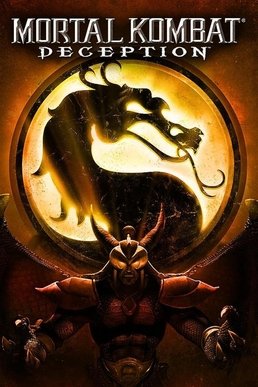
Mortal Kombat: Deception
PlayStation 2XboxGameCubeFightingMainline3DMortal Kombat: Deception answers the Alliance with Onaga the Dragon King—Puzzle/Chess Kombat minigames and a sprawling Konquest RPG layer.
- Overview
- Konquest as a quasi-open adventure plus party-style minigames rare for fighters. Later chapters still answer the systems and tone this entry set.
- In-game setting
- Mid-trilogy Klassic beat after Deadly Alliance. Leads toward Armageddon’s roster climax. Mortal Kombat: Deception answers the Alliance with Onaga the Dragon King—Puzzle/Chess Kombat minigames and a sprawling Konquest RPG layer.
- Should you play it?
- Required Klassic bridge. Follow Start Here if you want the shortest 2026 checklist that still includes this chapter.
- Release date
- US October 4, 2004 on PS2/Xbox; GameCube later. Platforms called out for this beat: PlayStation 2, Xbox, GameCube.
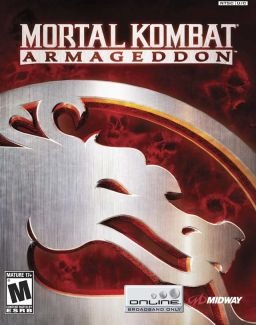
Mortal Kombat: Armageddon
PlayStation 2XboxWiiFightingMainline3DMortal Kombat: Armageddon is the Klassic Midway finale—nearly every fighter, Motor Kombat, Create-a-Fatality, and the pyramid climax that ends the original continuity.
- Overview
- Roster maximalism and mode kitchen-sink design as Midway’s last mainline MK. Later chapters still answer the systems and tone this entry set.
- In-game setting
- Story-track end of classic Midway. Next saga is NetherRealm’s MK (2011) reboot—not a soft sequel week later.
- Should you play it?
- Klassic endpoint. Follow Start Here if you want the shortest 2026 checklist that still includes this chapter. Follow Start Here if you want the shortest 2026 checklist that still includes this chapter.
- Release date
- US October 9, 2006 (PS2/Xbox); Wii 2007. Platforms called out for this beat: PlayStation 2, Xbox, Wii.
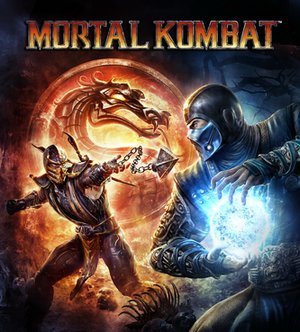
Mortal Kombat (2011)
PlayStation 3Xbox 360PCFightingMainlineRebootMortal Kombat (2011) is NetherRealm’s 2D reboot—Raiden rewinds the tournament timeline with X-ray attacks, a cinematic Story Mode, and Klassic callbacks.
- Overview
- Chapter-based Story Mode and X-rays redefine how modern MK tells plot between ladders. Later chapters still answer the systems and tone this entry set.
- In-game setting
- Reboot saga start on both tracks after Armageddon. Often tagged MK9 by fans; not the 1992 original. Mortal Kombat (2011) is NetherRealm’s 2D reboot—Raiden rewinds the tournament timeline with X-ray attacks, a cinematic Story Mode, and Klassic callbacks.
- Should you play it?
- Best reboot entry for 2026—start the NetherRealm saga here, then continue into Mortal Kombat X. Separate continuity from the 1992 Klassic MK1.
- Release date
- US April 19, 2011 (PS3/360); PC later; Komplete Edition bundles DLC. Platforms called out for this beat: PlayStation 3, Xbox 360, PC.
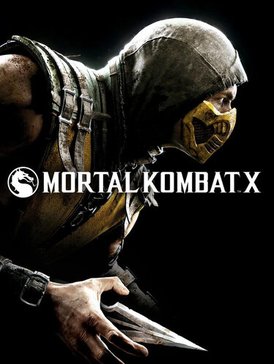
Mortal Kombat X
PlayStation 4Xbox OnePCFightingMainlineRebootMortal Kombat X jumps a generation ahead—Cassie Cage’s era, variation systems, and NetherRealm’s online/fighter-pass model after the 2011 reset.
- Overview
- Three variations per fighter and a time-skip Story Mode that seeds MK11’s cast. Later chapters still answer the systems and tone this entry set.
- In-game setting
- Reboot mid-saga after MK9. Mobile MKX app is optional—not this entry. Mortal Kombat X jumps a generation ahead—Cassie Cage’s era, variation systems, and NetherRealm’s online/fighter-pass model after the 2011 reset.
- Should you play it?
- Play after MK9. Follow Start Here if you want the shortest 2026 checklist that still includes this chapter. Follow Start Here if you want the shortest 2026 checklist that still includes this chapter.
- Release date
- US April 14, 2015 on PS4/Xbox One/PC; XL adds DLC. Platforms called out for this beat: PlayStation 4, Xbox One, PC.
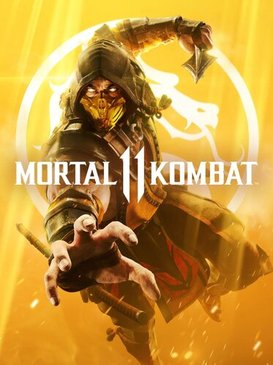
Mortal Kombat 11
PlayStation 4Xbox OneSwitchPCFightingMainlineRebootMortal Kombat 11 is Kronika’s time war—custom variations, Aftermath’s story epilogue, and the reboot saga’s climax before Liu Kang’s New Era.
- Overview
- Gear/customization depth and a two-act Story Mode (Aftermath DLC required for the full ending). Later chapters still answer the systems and tone this entry set.
- In-game setting
- Reboot endpoint before MK1 (2023). Ultimate / Aftermath bundles are editions—FAQ covers DLC order. Mortal Kombat 11 is Kronika’s time war—custom variations, Aftermath’s story epilogue, and the reboot saga’s climax before Liu Kang’s New Era.
- Should you play it?
- Finish reboot here (plus Aftermath). Follow Start Here if you want the shortest 2026 checklist that still includes this chapter.
- Release date
- US April 23, 2019; next-gen upgrades later. Platforms called out for this beat: PlayStation 4, Xbox One, Switch, PC.
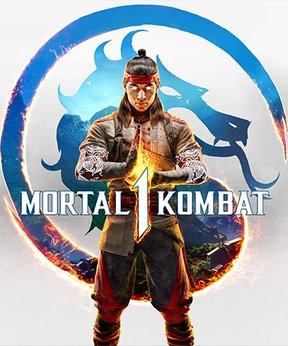
Mortal Kombat 1
PlayStation 5Xbox Series X|SSwitchPCFightingMainlineNew EraMortal Kombat 1 (2023) is Liu Kang’s New Era reboot—Kameo assists, a rebuilt roster timeline, and a fresh continuity after MK11 Aftermath.
- Overview
- Kameo fighter assists and a full continuity reset distinct from both Klassic Midway and the 2011–2019 saga. Later chapters still answer the systems and tone this entry set.
- In-game setting
- Current mainline endpoint on this page (2026). Not the 1992 arcade—MK1 branding is intentional New Era labeling.
- Should you play it?
- Default 2026 start for modern play. Cousins: Devil May Cry, Bayonetta. Follow Start Here if you want the shortest 2026 checklist that still includes this chapter.
- Release date
- US September 19, 2023 on current-gen consoles/PC; Switch version exists with cuts. Platforms called out for this beat: PlayStation 5, Xbox Series X|S, Switch, PC.
FAQ
Release vs story order, where to start in 2026, Klassic vs reboot vs New Era, Aftermath DLC, movies, and MK vs DC Universe.
Release order
Release order is when each mainline game shipped in the US (1992 arcade through 2023)—how the franchise evolved from Midway digitized fighters to NetherRealm Story Mode. Story order stacks three layers: Klassic Midway (MK1→II→3→4→Deadly Alliance→Deception→Armageddon), then the 2011 reboot (MK9→X→11), then Mortal Kombat 1 (2023) New Era. Release and Story match within each layer; the resets are why Story feels like three timelines, not one continuous year-line.
Want the current game and online scene → Mortal Kombat 1 (2023); New Era is self-contained after MK11 Aftermath. Want the NetherRealm reboot climax and cinematic polish without learning Kameos yet → Mortal Kombat 11 (ideally with Aftermath), then optionally jump to MK1. Lore completionists → Klassic Midway in release/story order, then MK9→X→11, then MK1. Pure arcade nostalgia → start at 1992 Mortal Kombat.
Story & canon
Klassic Midway runs through Armageddon (2006)—the original digitized/3D continuity. Mortal Kombat (2011) is a hard reboot: Raiden changes the past after Armageddon’s outcome, so MK9–11 are not “just sequels” to Midway. Mortal Kombat 1 (2023) is a second hard reset—Liu Kang’s New Era after MK11 Aftermath. Treat them as three eras sharing names and themes, not one unbroken chronicle.
DLC & editions
Yes if you care how New Era begins. Base MK11 Story Mode ends with a major handoff; Aftermath (also in MK11 Ultimate) is the official epilogue that bridges into Mortal Kombat 1 (2023). Fighter packs and skins are optional. MK9 Komplete and MKX XL similarly bundle story-adjacent DLC characters—nice for roster, not separate story-order titles here.
Movies & spin-offs
More timelines
Other release-order and story-order guides on this site.
- Media
Mortal Kombat Media
Mortal Kombat film watch order (1995–2021)—1995 theatrical hit, Annihilation, 2021…
- Game series
Street Fighter
Street Fighter games in release and story order (1987–2023)—arcade original through…
- Game series
Tekken
Tekken games in release and story order from 1994 to 2024—arcade original through…
- Game series
Guilty Gear
Guilty Gear games in release and story order (1998–2021)—arcade original through…
- Game series
BlazBlue
BlazBlue games in release and story order (2009–2016)—Calamity Trigger through Central…
- Game series
Soulcalibur
Soulcalibur games in release and story order (1997–2018)—Soul Blade through…
- Game series
Devil May Cry
Devil May Cry release and story order (2001–2019)—DMC 3 through 5, DmC reboot, HD…
- Game series
Bayonetta
Bayonetta release and story order (2009–2022)—Bayonetta 1–3, Switch ports, Origins…
- Game series
Batman: Arkham
Batman Arkham release and story order (2009–2024)—Rocksteady saga, Origins prequel,…
- Game series
God of War
God of War release and story order (2005–2022), Greek prequels vs Norse saga, and…
- Media
DC Movies
DC theatrical movies in US release order and practical continuity lanes—Nolan Batman,…
- Media
Video Game Movies
Video game movies in US release order and by franchise lane—Street Fighter through…